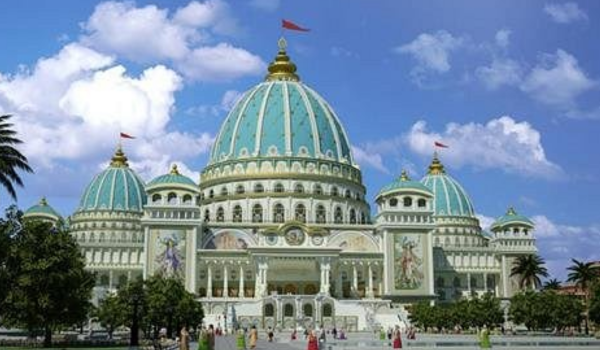
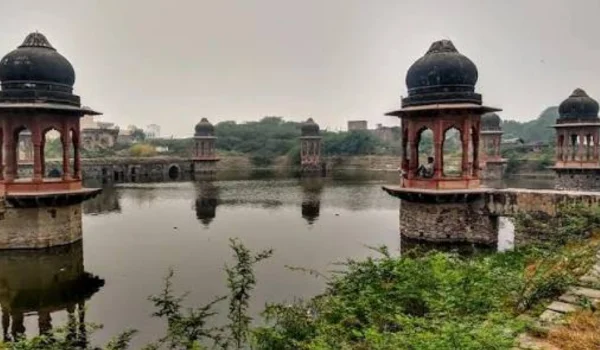
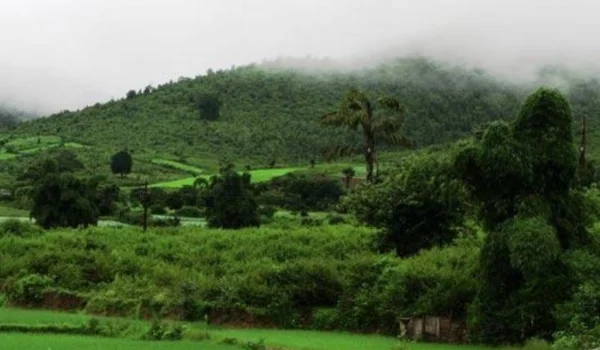
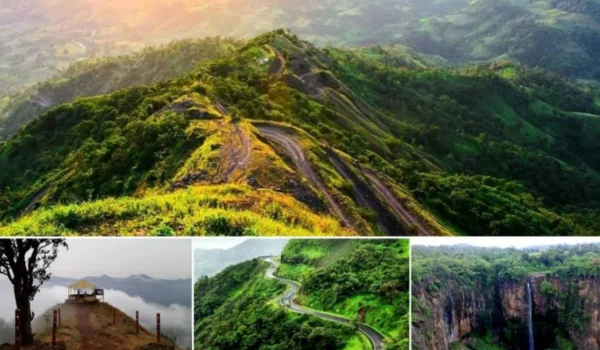
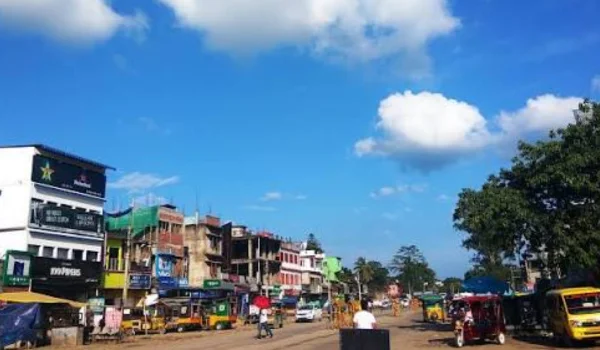
Nagaon is an important district in central Assam, known for its rich cultural heritage, agriculture, wildlife and religious significance. The district lies on the southern bank of the Brahmaputra and has a landscape of rivers, wetlands, plains, forests and hills.
Nagaon is particularly famous as the birthplace of Srimanta Sankardeva, one of Assam’s most influential spiritual and cultural figures. The district also provides access to major attractions such as Kaziranga National Park, Laokhowa Wildlife Sanctuary, Batadrawa Than, Chapanala Waterfalls and Ranthali’s traditional jewellery craft.
Quick Information About Nagaon District
| Particular | Details |
| District | Nagaon |
| State | Assam |
| District Headquarters | Nagaon |
| Historical Name | Nowgong |
| Formation | 1832 |
| Geographical Area | 2,287 sq. km |
| Population | 18,92,550 |
| Literacy Rate | 71% |
| Sub-Divisions | 2 |
| Revenue Circles | 7 |
| Development Blocks | 13 |
| Revenue Villages | 960 |
| Panchayats | 169 |
| Main Languages | Assamese, Hindi and Bengali |
| Major Rivers | Brahmaputra, Kolong and Kopili |
| Famous For | Srimanta Sankardeva, Kaziranga, Batadrawa Than, wildlife and agriculture |
The current district administration’s “District at a Glance” page lists Nagaon’s geographical area as 2,287 sq. km, population as 18,92,550, literacy at 71%, 13 development blocks and 169 panchayats.
Important PIN Codes in Nagaon District
PIN codes are important for postal services, online deliveries, business addresses and local searches. Some important postal areas in Nagaon include:
| Area / Town | PIN Code |
| Nagaon Head Post Office | 782001 |
| Haibargaon | 782002 |
| Nagaon town area | 782003 |
| Raha | 782103 |
| Dhing | 782123 |
| Kaliabor | 782137 |
| Samaguri | 782140 |
| Kampur | 782425 |
| Batadrawa / Bordowa area | 782122 |
The Nagaon Head Post Office PIN is 782001, as listed by India Post. Individual localities can have different delivery post offices and PIN codes, so the exact post office should be checked for a complete postal address.
Important Facts About Nagaon District
Here are some useful facts that make Nagaon distinctive:
- Nagaon is located in Central Assam on the southern bank of the Brahmaputra.
- The district was carved out as a separate administrative unit in 1832.
- The present Nagaon town became the district headquarters in 1839.
- Nagaon town was earlier known as Khagorijan and was later called Nowgong during the British period.
- Nagaon became a municipality in 1893.
- Srimanta Sankardeva, the great Assamese Vaishnavite saint and cultural figure, was born at Bordowa/Batadrawa in the district.
- A significant part of Kaziranga National Park and Tiger Reserve lies within Nagaon district.
- Laokhowa Wildlife Sanctuary is another major wildlife destination in the district.
- The Kolong River flows through Nagaon town and divides the city into Nagaon and Haibargaon areas.
- Ranthali is known for traditional Assamese jewellery-making.
- Nagaon has a strong agricultural economy and extensive fertile plains.
- The district acts as an important transport corridor connecting different parts of Assam and the wider Northeast.
Location and Geography of Nagaon
Nagaon is centrally located in Assam and occupies an important position between the Brahmaputra Valley and the hill regions of the state.
The district is bounded by:
- Brahmaputra River and Sonitpur to the north
- West Karbi Anglong, Hojai and Dima Hasao to the south
- East Karbi Anglong and Golaghat to the east
- Morigaon to the west
The Brahmaputra forms the northern boundary, while the Kolong and Kopili are important rivers flowing through the district.
Nagaon has a varied landscape of:
- Alluvial plains
- Rivers
- Wetlands
- Marshes
- Forests
- Hills
- Agricultural land
The district contains several beels and wetlands, including Samaguri Beel, Gatanga Beel, Hahila and other wetland areas, which support birds and aquatic biodiversity.
History of Nagaon District
Nagaon has a long history influenced by the Ahom kingdom, Burmese rule and British administration.
Early History
Before the British period, different parts of the present district were controlled by small local rulers, feudal chiefs and their representatives.
The region was also influenced by the Bhuyan system. During the Ahom period, Momai Tamuli Barbarooah reorganised village systems in the region under the rule of Ahom King Pratap Singha.
Burmese Rule
Nagaon remained under Burmese control until 1826.
Following the Treaty of Yandabo, British control was established in Assam. Nagaon was subsequently organised as a separate administrative district in 1832.
Development of Nagaon Town
The British eventually established the district headquarters at its present location beside the Kolong River in 1839.
The town developed gradually and became a municipality in 1893.
Cultural History
Nagaon’s history is also deeply connected with Assam’s Neo-Vaishnavite movement because Srimanta Sankardeva was born at Bordowa.
His contribution to Assamese literature, music, theatre, art and religious life has made Nagaon an important cultural destination in Assam.
Population of Nagaon District
The current district profile lists Nagaon’s population at 18,92,550, with a literacy rate of approximately 71%.
The district has both urban and large rural populations. Agriculture remains an important livelihood, while Nagaon town and other urban centres support trade, education, healthcare and services.
Because district boundaries and administrative arrangements can change over time, population figures should always be read along with their source and census/reference year.
Economy of Nagaon District
Nagaon’s economy is strongly connected with agriculture, trade, livestock, tourism, small businesses and local industries.
The fertile plains make agriculture particularly important.
Major economic activities include:
- Agriculture
- Rice cultivation
- Horticulture
- Livestock
- Fisheries
- Handicrafts
- Traditional jewellery
- Food processing
- Trade
- Tourism
- Transport
- Small-scale industries
Nagaon’s central position also makes it an important commercial and transport corridor for Assam and other parts of Northeast India.
Agriculture in Nagaon
Agriculture is one of the main economic activities of Nagaon.
The district has extensive cultivated land and a large number of farming households. Government agricultural statistics identify paddy and other crops as important components of the district’s agricultural economy.
Major agricultural activities include:
- Paddy cultivation
- Pulses
- Oilseeds
- Vegetables
- Horticulture
- Sugarcane
- Livestock farming
- Fisheries
The district’s rivers, wetlands and fertile alluvial plains support agricultural production, although some areas are also vulnerable to floods.
Industries and Business in Nagaon
Nagaon’s industrial base is smaller than that of major metropolitan districts, but the district has several important traditional and commercial activities.
Traditional Jewellery in Ranthali
Ranthali is particularly famous for traditional Assamese jewellery.
Local artisans produce traditional ornaments that are an important part of Assamese culture and are also sold outside the district.
Silghat and Jute Industry
Silghat is another important industrial location associated with the district’s traditional industrial activities, including its jute mill.
Major Business Sectors
- Agriculture and agri-business
- Food processing
- Traditional jewellery
- Handicrafts
- Retail trade
- Tourism
- Hospitality
- Transport
- Fisheries
- Small manufacturing
Education in Nagaon
Nagaon has schools, colleges and higher education institutions serving the district’s urban and rural population.
Nagaon town is the main educational centre, while institutions are also located in places such as Raha, Kampur, Dhing and Kaliabor.
The district’s educational and cultural importance is also connected with Srimanta Sankardeva’s birthplace at Bordowa, which attracts visitors interested in Assamese culture and history.
District Court in Nagaon
Nagaon has a District and Sessions Court serving the district.
Nagaon is included among the official district courts of Assam under the eCourts system. The district judiciary deals with civil, criminal and other matters falling under its jurisdiction.
The judicial system also serves residents from different parts of the district through subordinate courts and judicial institutions.
District Hospital and Healthcare
Nagaon has an extensive government healthcare network.
The district’s healthcare infrastructure includes:
- Bhogeswari Phukanani Civil Hospital, Nagaon
- Community Health Centres
- Block Primary Health Centres
- Mini Primary Health Centres
- Primary healthcare facilities
- Sub-centres
- First Referral Units
The district administration’s health information lists one civil hospital, 11 Block PHCs, 11 CHCs and several other government healthcare facilities.
The Bhogeswari Phukanani Civil Hospital is an important government hospital serving the district headquarters and surrounding areas.
Popular Tourist Attractions in Nagaon
Nagaon has a strong combination of wildlife, religious heritage, culture and natural attractions.
- Kaziranga National Park
A significant portion of Kaziranga National Park and Tiger Reserve falls within Nagaon district.
Kaziranga is internationally recognised for its wildlife and is particularly famous for the greater one-horned rhinoceros.
Visitors can explore designated tourism zones and participate in wildlife safaris according to park regulations.
- Batadrawa Than
Batadrawa Than, also known as Bordowa Than, is one of Nagaon’s most important cultural and religious attractions.
It is traditionally recognised as the birthplace of Srimanta Sankardeva, who founded the first Kirtan Ghar at Bordowa and played a major role in the development of Assam’s Neo-Vaishnavite tradition.
- Laokhowa Wildlife Sanctuary
Laokhowa Wildlife Sanctuary is an important wildlife destination in Nagaon and forms part of the larger wildlife landscape associated with the Kaziranga ecosystem.
The area is known for wetlands, grasslands, forests and wildlife.
- Chapanala Waterfall
Chapanala is a popular natural attraction known for its waterfall and surrounding greenery.
It is especially attractive during and after the monsoon when the landscape becomes greener and the water flow increases.
- Baduli Khurung
Baduli Khurung is a natural cave attraction in the Kandali area.
The site is known for its cave environment and large number of bats and is listed by the district administration among Nagaon’s natural tourism attractions.
- Ranthali
Ranthali is famous for its traditional Assamese jewellery-making.
A visit to the village provides an opportunity to understand one of Assam’s traditional craft industries.
- Silghat
Silghat is an important riverside location with industrial and religious significance.
It is also known for its connection with the Brahmaputra and the local jute industry.
- Maha Mrityunjay Temple
The Maha Mrityunjay Temple is located near Nagaon and is known for its large Shivalinga structure.
The temple is one of the district’s notable religious attractions and draws devotees and tourists.
Transport and Connectivity
Nagaon’s central location makes it an important transportation point in Assam.
Road Connectivity
Nagaon is well connected by road with:
- Guwahati
- Tezpur
- Jorhat
- Morigaon
- Golaghat
- Hojai
- Other parts of Assam
The district is connected through important highways, including NH-36 and NH-37, according to the district’s agricultural department.
Nagaon is approximately 120 km from Guwahati by road.
Railway Connectivity
Nagaon is connected to the Indian railway network.
Important railway locations include:
- Nagaon
- Haibargaon
- Dhing
- Silghat
- Kampur
- Chaparmukh
Chaparmukh Junction is an important railway junction located near the district.
Air Connectivity
The nearest major airport with broad connectivity is Lokpriya Gopinath Bordoloi International Airport in Guwahati.
The district administration also identifies Salonibari Airport at Tezpur as another nearby airport option.
Best Time to Visit Nagaon
The best time to visit Nagaon is generally November to February, when the weather is more comfortable for sightseeing and wildlife activities.
Winter is particularly suitable for visiting:
- Kaziranga
- Batadrawa Than
- Laokhowa
- Chapanala
- Ranthali
- Other outdoor attractions
The district administration also identifies November to February as the winter tourism period.
Nearby Cities, Districts and Areas
Important nearby places include:
- Guwahati
- Tezpur
- Morigaon
- Hojai
- Golaghat
- Karbi Anglong
- Dima Hasao
- Raha
- Dhing
- Kaliabor
- Chaparmukh
- Jorhat
Nagaon’s central position makes it a useful link between Assam’s major western and eastern regions.
Why Is Nagaon District Important?
Nagaon is important because it combines Assamese cultural heritage, agriculture, wildlife, religious tourism and strategic connectivity.
Its major strengths include:
- Birthplace of Srimanta Sankardeva
- Access to Kaziranga National Park
- Laokhowa Wildlife Sanctuary
- Rich agricultural plains
- Brahmaputra and Kolong river systems
- Traditional jewellery industry at Ranthali
- Batadrawa Than
- Important road and railway connectivity
- Large rural economy
- Central location within Assam
The district therefore plays an important role in Assam’s culture, tourism, agriculture and regional connectivity.
FAQs About Nagaon District
When was Nagaon district formed?
Nagaon was carved out as a separate administrative district in 1832 during the British period.
What is Nagaon district famous for?
Nagaon is famous for Srimanta Sankardeva’s birthplace at Batadrawa, Kaziranga National Park, Laokhowa Wildlife Sanctuary, traditional Assamese jewellery and its agricultural economy.
What is the PIN code of Nagaon?
The PIN code of Nagaon Head Post Office is 782001. Other towns and localities have their own PIN codes.
What are the popular tourist places in Nagaon?
Popular attractions include Kaziranga National Park, Batadrawa Than, Laokhowa Wildlife Sanctuary, Chapanala Waterfall, Baduli Khurung, Ranthali and Maha Mrityunjay Temple.
Who was born in Nagaon district?
Srimanta Sankardeva, the renowned Assamese saint, scholar, poet and cultural figure, was born at Bordowa/Batadrawa in present-day Nagaon district.
Does Nagaon have a district court and district hospital?
Yes. Nagaon has a District and Sessions Court and the Bhogeswari Phukanani Civil Hospital, along with a network of CHCs, PHCs and other government healthcare facilities.
Conclusion
Nagaon District is one of the culturally and geographically important districts of Assam. Its identity is strongly connected with Srimanta Sankardeva, Assamese Vaishnavite culture, agriculture and the wildlife-rich landscapes of central Assam.
The presence of Kaziranga National Park, Laokhowa Wildlife Sanctuary, Batadrawa Than, Chapanala and Ranthali gives the district a diverse tourism profile. At the same time, its central location, road and railway connectivity and agricultural economy make Nagaon an important regional centre.
With its combination of culture, wildlife, agriculture, natural landscapes and connectivity, Nagaon remains an important district for understanding the history and modern development of Assam.