Khordha is one of the most important districts of Odisha and is closely connected with the state’s political, historical, cultural and economic identity. The district includes Bhubaneswar, the capital city of Odisha, and Khordha town, the district headquarters.
The district is known for historic places such as Khordha Fort, religious attractions including Dhauli Shanti Stupa and Khandagiri-Udayagiri, and natural destinations such as Chilika Lake. Its location around Bhubaneswar also makes Khordha an important centre for education, healthcare, IT, business, government services and tourism.
Quick Information About Khordha District
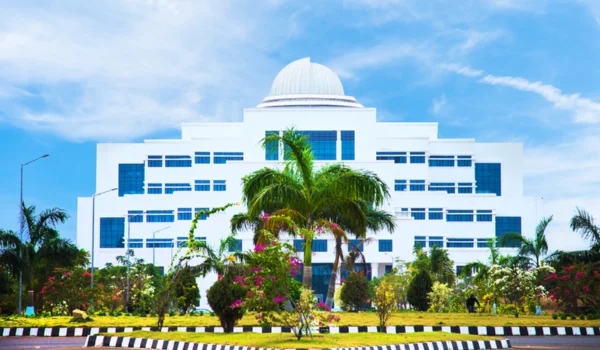
| Particular | Details |
| District | Khordha |
| State | Odisha |
| District Headquarters | Khordha |
| Formation | 1993 |
| Area | About 2,813 sq. km |
| Population | 22,51,673 (Census 2011) |
| Literacy Rate | 86.88% |
| Sub-Divisions | 2 |
| Tehsils | 8 |
| Blocks | 10 |
| Main Language | Odia |
| Major Water Body | Chilika Lake |
| Famous For | Bhubaneswar, Khandagiri-Udayagiri, Dhauli, Khordha Fort and Chilika |
| Important Cities/Towns | Bhubaneswar, Khordha, Jatni, Balipatna, Banapur and Tangi |
Khordha district covers approximately 2,813 sq. km and had a population of 22,51,673 according to Census 2011. The district administration lists Bhubaneswar and Khordha among its major urban centres.
Important PIN Codes in Khordha District
PIN codes are useful for postal services, online deliveries, business addresses and local searches. Some important postal areas in Khordha district include:
| Area / Town | PIN Code |
| Khordha Head Post Office | 752055 |
| Bhubaneswar GPO | 751001 |
| Bhubaneswar | 751003 |
| Jatni | 752050 |
| Balipatna | 752102 |
| Banapur | 752031 |
| Tangi | 752023 |
| Khurda Road | 752050 |
PIN codes can differ between localities and individual post offices, so the exact delivery post office should be checked when using a PIN for a complete postal address.
Important Facts About Khordha District
Here are some useful facts that make Khordha distinctive:
- Khordha is home to Bhubaneswar, the capital of Odisha.
- The district was created in 1993 after being separated from the erstwhile Puri district.
- Khordha town is the district headquarters.
- Bhubaneswar is one of India’s important planned and rapidly developing cities.
- Khordha has major historical connections with the Paika Rebellion of 1817.
- Khordha Fort is associated with the history of the Khordha kingdom and the Paika movement.
- Dhauli is traditionally associated with Emperor Ashoka and the transformation of his policy after the Kalinga War.
- Udayagiri and Khandagiri Caves are important ancient rock-cut caves near Bhubaneswar.
- The district provides access to the northern part of Chilika Lake.
- Bhubaneswar is an important centre for education, IT, healthcare and government institutions.
- Nandankanan Zoological Park is one of the best-known wildlife attractions in the district.
- Khordha has strong road, railway and air connectivity because of Bhubaneswar’s position as Odisha’s capital.
Location and Geography of Khordha District
Khordha is located in the eastern part of Odisha, relatively close to the Bay of Bengal.
The district shares boundaries with:
- Cuttack to the north
- Nayagarh to the west
- Puri to the south
- Ganjam towards the southwest
The district has a varied landscape consisting of plains, low hills, forests, agricultural areas and water bodies.
The northern and central portions include the highly urbanised Bhubaneswar region, while southern and western parts have more rural and agricultural landscapes.
A major geographical feature is Chilika Lake, which extends across several districts of Odisha. The northern part of the lake lies within the Khordha region.
History of Khordha District
Khordha has an important place in the history of Odisha.
The area was historically associated with the Khordha kingdom, which emerged as an important successor state after the decline of the Gajapati political system.
Khordha Kingdom
The Khordha region became the seat of the Gajapati rulers of Khordha. The kingdom maintained its political and cultural importance for several centuries.
Khordha Fort became an important centre of the kingdom and is one of the district’s most significant historical landmarks.
Paika Rebellion of 1817
Khordha has a particularly strong connection with the Paika Rebellion of 1817.
The rebellion against British rule was led by Buxi Jagabandhu Bidyadhar and involved Paikas and other groups from the region.
The uprising is remembered as an important chapter in the history of resistance to British rule in Odisha.
Formation of Khordha District
The modern Khordha district was formed in 1993 after the reorganisation of the former Puri district.
Later, the district became increasingly important because it included Bhubaneswar, which became the capital of Odisha after independence.
Population of Khordha District
According to Census 2011, Khordha had a population of 22,51,673.
The district has a comparatively high level of urbanisation because it includes Bhubaneswar, one of Odisha’s major metropolitan centres.
The literacy rate was approximately 86.88% according to Census 2011 data.
The demographic profile is different from many predominantly rural districts of Odisha because of the large urban population concentrated around Bhubaneswar.
Economy of Khordha District
Khordha has one of the most diversified economies in Odisha.
The presence of Bhubaneswar has helped the district develop major sectors such as:
- Information technology
- Education
- Healthcare
- Government services
- Real estate
- Retail
- Tourism
- Hospitality
- Manufacturing
- Construction
- Transport and logistics
Agriculture remains important outside the major urban centres.
Major Economic Activities
- IT and technology services
- Agriculture
- Construction
- Retail
- Real estate
- Tourism
- Hospitality
- Education
- Healthcare
- Manufacturing
- Transport and logistics
Bhubaneswar’s position as the state capital gives Khordha an economic advantage over many other districts.
Agriculture in Khordha
Agriculture remains an important livelihood in the rural parts of Khordha.
Major crops include:
- Paddy
- Pulses
- Groundnut
- Vegetables
- Coconut
- Banana
- Other horticultural crops
The agricultural economy is supported by irrigation, ponds, canals and seasonal rainfall.
Vegetable cultivation and horticulture are also important because of the large consumer market around Bhubaneswar.
Industries and Business in Khordha
Khordha is one of Odisha’s major business and industrial districts.
The Bhubaneswar-Khordha region has developed as a major centre for IT, technology, education, healthcare and services.
Major Business Sectors
- Information technology
- Software services
- Education
- Healthcare
- Real estate
- Construction
- Retail
- Hospitality
- Food processing
- Manufacturing
- Logistics
- Tourism
Bhubaneswar’s IT and business areas have attracted companies, startups and service providers, while industrial areas around Khordha and Jatni support manufacturing and logistics.
Education in Khordha
Khordha is arguably one of the most important education hubs of Odisha because of the concentration of universities, colleges and professional institutions in Bhubaneswar.
Important institutions in the district include:
- IIT Bhubaneswar
- AIIMS Bhubaneswar
- Utkal University
- KIIT University
- SOA University
- Odisha University of Technology and Research
- Ravenshaw-linked and other higher education institutions in the wider region
- Numerous engineering, medical, management and professional colleges
The presence of these institutions attracts students from Odisha as well as other parts of India.
District Court in Khordha
Khordha has a District and Sessions Court serving the district.
The district judiciary is based at Khordha and includes subordinate judicial institutions serving different areas of the district.
Bhubaneswar and other major urban areas also have courts dealing with different civil and criminal matters.
District Hospital and Healthcare
Khordha has a large healthcare network because it includes Bhubaneswar, one of Odisha’s largest medical centres.
Major healthcare institutions include:
- District Headquarters Hospital, Khordha
- Capital Hospital, Bhubaneswar
- AIIMS Bhubaneswar
- Community Health Centres
- Primary Health Centres
- Other government and private hospitals
The presence of AIIMS Bhubaneswar and major hospitals in the capital city gives the district an important role in healthcare for the wider Odisha region.
Popular Tourist Attractions in Khordha
Khordha has a strong combination of history, religion, archaeology, wildlife and natural attractions.
- Dhauli Shanti Stupa
Dhauli is one of the most famous historical sites near Bhubaneswar.
The area is traditionally associated with the Kalinga War and Emperor Ashoka. The Shanti Stupa, also known as the Peace Pagoda, is located on Dhauli Hill and attracts visitors throughout the year.
- Udayagiri and Khandagiri Caves
The Udayagiri and Khandagiri Caves are among Odisha’s most important ancient archaeological attractions.
The caves were carved during the ancient period and are associated with Jainism and the reign of King Kharavela.
The site is particularly popular among visitors interested in ancient Indian history and architecture.
- Nandankanan Zoological Park
Nandankanan Zoological Park is one of Odisha’s most popular wildlife attractions.
Located near Bhubaneswar, the zoo is known for its diverse collection of animals and its natural forested setting.
It is also associated with the conservation and breeding of several wildlife species.
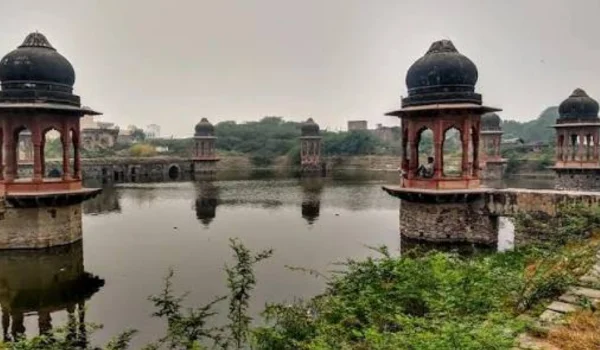
- Khordha Fort
Khordha Fort is an important historical landmark connected with the Khordha kingdom.
The fort and surrounding region played an important role in the history of Odisha and the Paika resistance against British rule.
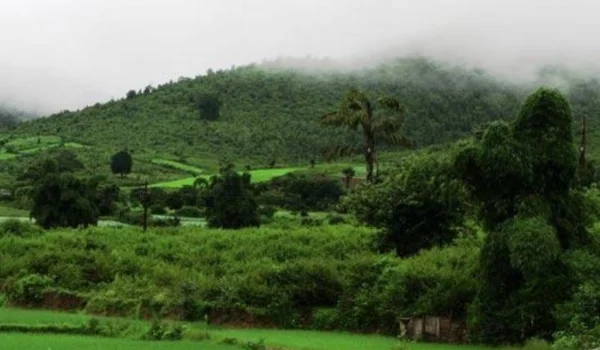
- Barunei Hill
Barunei Hill is an important religious and natural attraction near Khordha.
The hill is associated with the Goddess Barunei, and the temple attracts devotees from different parts of Odisha.
The surrounding forested hills also make the location attractive to nature lovers.
- Chilika Lake
The northern part of Chilika Lake extends into the Khordha region.
Chilika is India’s largest coastal lagoon and is famous for its migratory birds, aquatic biodiversity and scenic landscapes.
Boat trips and birdwatching are among the popular activities around the lake, depending on the location and season.
- Atri
Atri is known for its hot spring and religious significance.
The location is associated with the temple of Hatakeswar and attracts visitors looking for a combination of nature and spirituality.
Transport and Connectivity
Khordha has some of the best transport connectivity in Odisha because of Bhubaneswar.
Road Connectivity
Major roads and highways connect Khordha with:
- Cuttack
- Puri
- Nayagarh
- Ganjam
- Berhampur
- Other major Odisha cities
Bhubaneswar is an important road transport hub.
Railway Connectivity
Bhubaneswar Railway Station is one of the major railway stations in Odisha.
Khurda Road Junction is another highly important railway junction and connects several major railway routes in eastern India.
Rail services connect the district with:
- Kolkata
- Chennai
- Delhi
- Mumbai
- Visakhapatnam
- Hyderabad
- Other major cities
Air Connectivity
Biju Patnaik International Airport, located in Bhubaneswar, is the main airport serving Khordha and much of Odisha.
The airport provides domestic and international connectivity.
Best Time to Visit Khordha
The best time to explore Khordha is generally October to March.
During these months, the weather is more comfortable for visiting historical monuments, temples, wildlife attractions and outdoor destinations.
The winter months are particularly suitable for sightseeing and visiting Dhauli, Khandagiri-Udayagiri, Nandankanan and Khordha Fort.
Visitors interested in Chilika should also consider the winter season because migratory birds are present around the lake.
Nearby Cities, Districts and Areas
Important nearby places include:
- Bhubaneswar
- Cuttack
- Puri
- Nayagarh
- Jatni
- Khordha
- Pipili
- Balipatna
- Tangi
- Banapur
Bhubaneswar and Cuttack together form one of the most important urban and economic regions of Odisha.
Why Is Khordha District Important?
Khordha is important because it combines political importance, history, education, healthcare, business, tourism and transport connectivity.
Its major strengths include:
- Odisha’s capital city, Bhubaneswar
- Historical Khordha kingdom
- Connection with the Paika Rebellion
- Khandagiri-Udayagiri Caves
- Dhauli Shanti Stupa
- Nandankanan Zoological Park
- Chilika Lake
- Major universities and educational institutions
- AIIMS Bhubaneswar and other major hospitals
- Bhubaneswar airport
- Major railway junctions
- Strong IT and service-sector economy
The district therefore has importance far beyond its geographical size and plays a central role in Odisha’s administration, economy, education and tourism.
FAQs About Khordha District
When was Khordha district formed?
Khordha became a separate district in 1993 after the reorganisation of the former Puri district.
What is Khordha district famous for?
Khordha is famous for Bhubaneswar, Khordha Fort, Dhauli, Khandagiri-Udayagiri Caves, Nandankanan Zoological Park and its connection with the Paika Rebellion.
What is the PIN code of Khordha?
The PIN code of Khordha Head Post Office is 752055. Other towns and localities in the district have different PIN codes.
What are the popular tourist places in Khordha?
Popular attractions include Dhauli Shanti Stupa, Udayagiri and Khandagiri Caves, Nandankanan Zoological Park, Khordha Fort, Barunei Hill, Chilika Lake and Atri.
What is the district headquarters of Khordha?
Khordha town is the official district headquarters, while Bhubaneswar is the capital of Odisha and the largest urban centre in the district.
Does Khordha have a district court and district hospital?
Yes. Khordha has a District and Sessions Court and government healthcare facilities including the District Headquarters Hospital, Khordha. Bhubaneswar also has major institutions such as Capital Hospital and AIIMS Bhubaneswar.
Conclusion
Khordha District is one of the most significant districts of Odisha because it combines the state’s capital city, ancient heritage, religious destinations, wildlife, education, healthcare and modern business sectors.
The district’s historical identity is closely connected with the Khordha kingdom and Paika Rebellion, while attractions such as Dhauli, Khandagiri-Udayagiri, Nandankanan and Chilika Lake make it an important tourism destination.
With Bhubaneswar at its centre, excellent road, railway and air connectivity, and a strong base of education, healthcare, IT and services, Khordha occupies a unique and important position in modern Odisha.