Rupnagar, also known as Ropar, is a historically important district in Punjab located along the Sutlej River. The district is known for its ancient Harappan archaeological site, important Sikh pilgrimage centres, scenic landscapes and major projects such as Bhakra Dam and Nangal.
Rupnagar has a special place in Sikh history because Anandpur Sahib, where Guru Gobind Singh Ji established the Khalsa in 1699, is located here. The district also includes important religious and historical places such as Kiratpur Sahib and Chamkaur Sahib. Today, Rupnagar has a mixed economy based on agriculture, industry, trade, tourism and services.
Quick Information About Rupnagar District
| Particular | Details |
| District | Rupnagar |
| State | Punjab |
| District Headquarters | Rupnagar |
| Area | 2,056 sq. km |
| Population | 6,84,627 (Census 2011) |
| Literacy Rate | 82% |
| Tehsils | 5 |
| Sub-Tehsil | 1 |
| Development Blocks | 5 |
| Villages | 606 |
| Main Language | Punjabi |
| Major River | Sutlej |
| Famous For | Anandpur Sahib, Harappan site, Sikh heritage, Bhakra Dam and Nangal |
| Important Towns | Rupnagar, Anandpur Sahib, Nangal, Morinda and Chamkaur Sahib |
According to the current district administration, Rupnagar covers 2,056 sq. km and had a Census 2011 population of 6,84,627. The district has five tehsils and five development blocks.
Location and Geography of Rupnagar
Rupnagar is situated in the north-eastern part of Punjab. The Sutlej River is one of the most important geographical features of the district and has influenced its agriculture, settlements and development.
The district has a combination of fertile plains, riverine areas and Shivalik foothills. Its location gives it strong geographical connections with Himachal Pradesh and Chandigarh as well as other parts of Punjab.
The climate is generally hot in summer and cool in winter. According to the district administration, annual rainfall averages around 775.6 mm, with most rainfall occurring during the southwest monsoon.
Pincode of Rupnagar District
Rupnagar district (also known as Ropar) in Punjab has multiple PIN codes for different towns, villages and post offices. The Rupnagar district headquarters has PIN code 140001.
| Area / Post Office | PIN Code |
| Rupnagar (Ropar) | 140001 |
| Anandpur Sahib | 140118 |
| Nangal | 140124 |
| Kiratpur Sahib | 140115 |
| Morinda | 140101 |
| Chamkaur Sahib | 140112 |
| Nurpur Bedi | 140117 |
| Ghanauli | 140113 |
| Bharatgarh | 140114 |
| Bela | 140111 |
History of Rupnagar District
Rupnagar has a remarkably old history. Archaeological excavations in the area have established that Rupnagar was an important settlement associated with the Indus Valley Civilization.
The district administration states that excavations have uncovered remains belonging to different historical periods, including the Harappan, Mauryan, Kushan, Gupta and Mughal periods. The ancient archaeological site is one of the major reasons for Rupnagar’s importance in Indian history.
The town is traditionally believed to have been founded by a ruler named Rokeshar, who is said to have named it after his son Rup Sen.
Rupnagar and Sikh History
Rupnagar has an especially strong connection with Sikh history.
Anandpur Sahib was founded by Guru Tegh Bahadur Ji, while Guru Gobind Singh Ji spent an important part of his life there. In 1699, Guru Gobind Singh Ji created the Khalsa at Anandpur Sahib on the occasion of Baisakhi.
Kiratpur Sahib and Chamkaur Sahib are also important sites connected with Sikh history and the lives of the Sikh Gurus.
Population of Rupnagar District
According to Census 2011 data published by the district administration, Rupnagar had a population of 6,84,627.
Of this population, approximately 5.17 lakh people lived in rural areas, while about 1.67 lakh lived in urban areas. The district’s literacy rate is listed as 82%.
The large rural population reflects the continued importance of agriculture and village-based economic activities, while Rupnagar, Nangal, Morinda and other towns serve as commercial and service centres.
Economy of Rupnagar District
Rupnagar has a diversified economy. Agriculture remains important, but the district also has industrial, power, tourism, trade and service-related activities.
The presence of Nangal, major power and industrial facilities, and its location close to Chandigarh contribute to the district’s economic significance.
Major Economic Activities
- Agriculture
- Horticulture
- Industrial manufacturing
- Fertilizer-related industries
- Power generation
- Food processing
- Retail and wholesale trade
- Tourism and hospitality
- Transport and logistics
- Small and medium businesses
The district’s industrial ecosystem has also created demand for technical and skill-development training. District authorities have specifically linked skill training with the requirements of industries operating in the region.
Agriculture in Rupnagar
Agriculture is an important part of the district’s rural economy. The fertile plains and irrigation facilities support the cultivation of several crops.
Major agricultural activities include:
- Wheat
- Paddy
- Maize
- Sugarcane
- Vegetables
- Fodder crops
- Horticulture
The Sutlej and irrigation infrastructure play an important role in supporting farming in different parts of the district.
Agriculture-related businesses such as food processing, storage, agricultural equipment and farm services also have opportunities in the region.
Industries and Business in Rupnagar
Rupnagar has a combination of agriculture-based businesses and industrial activities.
Nangal is particularly important for the district’s industrial identity. The area is associated with major industrial and power-related establishments, while the wider district has small and medium businesses serving local markets.
Business Opportunities
Potential sectors include:
- Food processing
- Agricultural businesses
- Warehousing
- Logistics
- Tourism
- Hotels and restaurants
- Retail
- Small manufacturing
- Skill-based services
- Transport businesses
Its proximity to Chandigarh and its location along important transport routes provide additional advantages for businesses.
Education in Rupnagar
Rupnagar has a well-developed network of schools, colleges, technical institutions and higher education centres.
The district administration lists 11 colleges, along with ITIs, teacher-training centres, senior secondary schools, high schools, middle schools and primary schools.
Important educational institutions and centres include:
- Government College, Rupnagar
- IIT Ropar
- Government Shiwalik College, Naya Nangal
- Khalsa College, Sri Anandpur Sahib
- Bela College
- IET Bhaddal
- Government ITIs
The presence of IIT Ropar adds significant educational and research importance to the district.
District Court in Rupnagar
Rupnagar has a District Court Complex serving the district.
The district judiciary also operates courts at important sub-divisions including Sri Anandpur Sahib and Nangal. Recent district court activities include National Lok Adalats conducted across Rupnagar and its sub-divisions.
The district court system provides judicial services for civil, criminal and other matters falling within its jurisdiction.
District Hospital and Healthcare
Rupnagar has a government healthcare network that includes a district hospital, sub-divisional hospital, community health centres and primary health facilities.
The District Hospital, Rupnagar is located near Bela Chowk and is listed by the district administration as a government hospital.
The district administration also lists:
- Civil Hospital, Sri Anandpur Sahib
- Sub District Hospital, Sri Chamkaur Sahib
- Community Health Centre, Morinda
- Community Health Centre, Bharatgarh
- Community Health Centre, Nurpur Bedi
- Primary Health Centre, Kiratpur Sahib
The district’s official profile lists one district hospital, one sub-divisional hospital and several other public healthcare facilities.
Popular Tourist Attractions in Rupnagar
Rupnagar is one of Punjab’s important destinations for religious tourism, Sikh heritage, archaeology and nature-based travel.
- Takht Sri Keshgarh Sahib
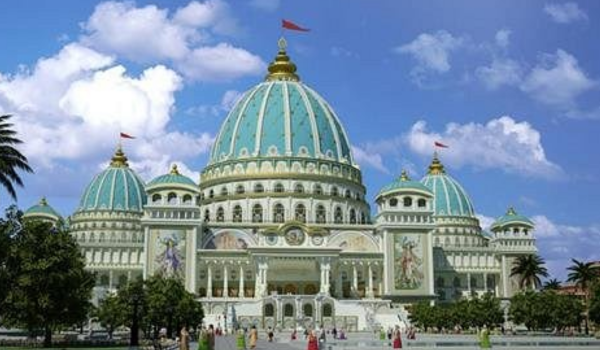
Takht Sri Keshgarh Sahib at Anandpur Sahib is one of the five Takhts of Sikhism and is one of the most important religious sites in the district.
It stands at the historic location where Guru Gobind Singh Ji created the Khalsa in 1699. The shrine complex also preserves weapons associated with Guru Gobind Singh Ji.
- Virasat-e-Khalsa
Virasat-e-Khalsa is a major museum and heritage complex at Anandpur Sahib.
It presents the history and heritage of the Sikh community and the development of the Khalsa tradition. It is among the district’s most significant modern cultural attractions.
- Bhakra Dam
Bhakra Dam is one of India’s most famous multipurpose river valley projects. It stands across the Sutlej and is located near the Punjab-Himachal Pradesh border.
The dam and surrounding landscape attract visitors interested in engineering, nature and scenic views. The district tourism portal lists Bhakra Dam among Rupnagar’s major attractions.
- Nangal
Nangal is an important industrial and scenic town located along the Sutlej.
The Nangal region is associated with the Bhakra-Nangal project, industrial development and river landscapes. It is also an important gateway to several attractions in the surrounding region.
- Rupnagar Archaeological Museum
Rupnagar is famous for its archaeological heritage connected with the Harappan civilization.
The Archaeological Museum provides visitors with an opportunity to learn more about the excavations and ancient history of the region. It is listed among the district’s tourist attractions.
- Chamkaur Sahib
Chamkaur Sahib is one of the most important historical Sikh destinations in Punjab.
The town is associated with major events in the life of Guru Gobind Singh Ji and the Sikh struggle during the Mughal period. Its religious sites attract pilgrims throughout the year.
- Kiratpur Sahib
Kiratpur Sahib is another major Sikh pilgrimage centre in Rupnagar district.
It is situated on the banks of the Sutlej and has strong connections with several Sikh Gurus. Gurdwara Patal Puri Sahib is one of its best-known religious sites.
- Gurudwara Bhatta Sahib
Gurudwara Bhatta Sahib is located near Rupnagar town and is associated with Guru Gobind Singh Ji.
The site has historical and religious significance and hosts gatherings on important occasions.
- Kikar Lodge
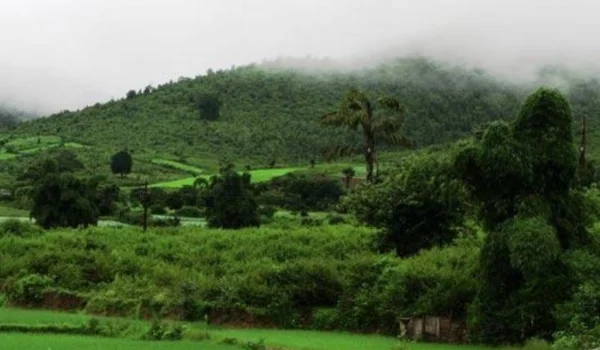
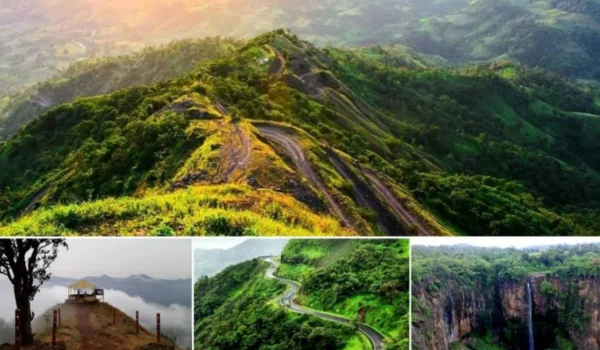
Kikar Lodge is a nature-oriented destination in the Shivalik landscape. It is known for its forested surroundings and outdoor environment and is listed among the district’s tourist attractions.
Transport and Connectivity
Rupnagar has good road and railway connectivity with Chandigarh, Punjab and neighbouring states.
Road Connectivity
The district is connected to Chandigarh, Ludhiana, Punjab’s other cities and Himachal Pradesh through a network of highways and major roads.
Rupnagar, Anandpur Sahib and Nangal are important road centres, while roads along the Sutlej and towards the Shivalik foothills provide access to several tourist destinations.
Railway Connectivity
Rupnagar and Nangal have railway connectivity with important cities and towns of Punjab and neighbouring states.
Rail travel is particularly useful for reaching Rupnagar and Nangal, while road transport is generally required for visiting many religious and tourist sites.
Air Connectivity
The nearest major airport for most travellers is Chandigarh International Airport.
Its proximity to Chandigarh provides Rupnagar with convenient access to domestic air travel.
Best Time to Visit Rupnagar
The cooler months are generally the most comfortable for sightseeing.
October to March is a good period to visit Anandpur Sahib, Chamkaur Sahib, Rupnagar, Nangal and other attractions.
The festival periods around important Sikh religious events can be especially significant for pilgrims, although visitors should expect larger crowds during major celebrations.
Nearby Cities, Districts and Areas
Rupnagar is strategically located close to several important cities and districts.
Nearby places include:
- Chandigarh
- Mohali
- Kharar
- Nangal
- Anandpur Sahib
- Kiratpur Sahib
- Chamkaur Sahib
- Balachaur
- Una
- Bilaspur
Its proximity to Chandigarh and Himachal Pradesh makes the district important for both business and tourism.
Why Is Rupnagar District Important?
Rupnagar is important because it brings together ancient archaeology, Sikh history, agriculture, industry and natural attractions.
Its major highlights include:
- Ancient Harappan archaeological heritage
- Sutlej River
- Takht Sri Keshgarh Sahib
- Anandpur Sahib
- Chamkaur Sahib
- Kiratpur Sahib
- Bhakra Dam
- Nangal
- IIT Ropar
- Industrial and power-related activities
- Strong road and railway connectivity
The district’s combination of religious importance and archaeological heritage makes it one of the most historically significant districts of Punjab.
FAQs About Rupnagar District
What is Rupnagar district famous for?
Rupnagar is famous for Anandpur Sahib, Takht Sri Keshgarh Sahib, Sikh heritage, the Harappan archaeological site, Bhakra Dam, Nangal and the Sutlej River.
What is the area of Rupnagar district?
Rupnagar district covers approximately 2,056 square kilometres.
What is the population of Rupnagar district?
According to Census 2011 data, Rupnagar district had a population of 6,84,627.
Why is Anandpur Sahib important in Rupnagar district?
Anandpur Sahib is historically important because Guru Gobind Singh Ji created the Khalsa there in 1699. Takht Sri Keshgarh Sahib commemorates this major event in Sikh history.
What are the popular tourist places in Rupnagar?
Popular attractions include Takht Sri Keshgarh Sahib, Virasat-e-Khalsa, Bhakra Dam, Nangal, Rupnagar Archaeological Museum, Chamkaur Sahib, Kiratpur Sahib, Gurudwara Bhatta Sahib and Kikar Lodge.
Does Rupnagar have a district court and district hospital?
Yes. Rupnagar has a District Court Complex and a District Hospital near Bela Chowk. The district also has sub-divisional hospitals and other government healthcare facilities.
Conclusion
Rupnagar District is one of Punjab’s most historically and culturally significant regions. Its ancient connection with the Harappan civilization, strong Sikh heritage and important places such as Anandpur Sahib, Chamkaur Sahib and Kiratpur Sahib give it a distinctive identity.
The district is equally notable for the Sutlej River, Bhakra Dam, Nangal, agriculture, industry and educational institutions such as IIT Ropar. With its combination of history, religion, nature, industry and connectivity, Rupnagar remains an important district of Punjab and an interesting destination for both pilgrims and travellers.