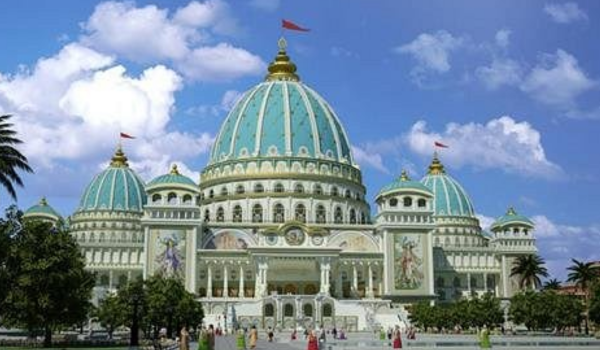
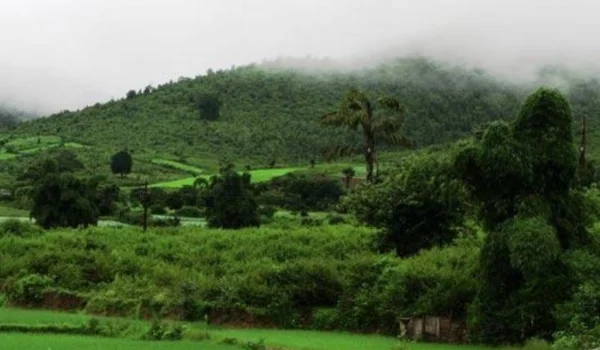
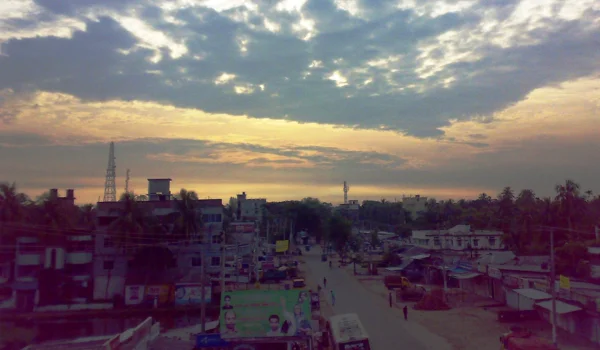
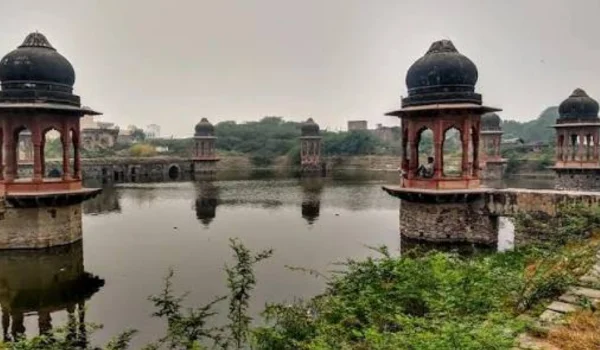
Mewat is the historic name associated with the Nuh region of Haryana, located in the southern part of the state near the Delhi-NCR area. The district is known for its rich historical heritage, Aravalli hills, traditional culture, agricultural economy and important religious and archaeological sites.
Today, the district is officially known as Nuh district, although Mewat continues to be widely used as a historical and regional name. The area is particularly known for Nuh town, Firozpur Jhirka, Taoru, Nalhar, Kotla Fort and the Aravalli landscape.
Quick Information About Mewat District
| Particular | Details |
| District | Nuh |
| Former Name | Mewat |
| State | Haryana |
| Region | Mewat / South Haryana |
| District Headquarters | Nuh |
| Formation | 2005 |
| Area | About 1,860 sq. km |
| Population | 10,89,263 (Census 2011) |
| Literacy Rate | About 54.08% |
| Sub-Divisions | 5 |
| Tehsils | 5 |
| Main Languages | Hindi, Mewati and Haryanvi |
| Major Geography | Aravalli hills and plains |
| Famous For | Mewati culture, historical sites, Aravalli hills and agriculture |
| Important Towns | Nuh, Firozpur Jhirka, Taoru, Punhana and Nagina |
Important: Mewat and Nuh are closely connected names, but the district’s official name is Nuh. The district was renamed from Mewat to Nuh in 2016.
Important PIN Codes in Mewat / Nuh District
PIN codes are useful for postal services, online deliveries, business addresses and local searches. Some important areas include:
| Area / Town | PIN Code |
| Nuh | 122107 |
| Firozpur Jhirka | 122104 |
| Taoru | 122105 |
| Punhana | 122508 |
| Nagina | 122108 |
| Tauru | 122105 |
| Nuh City | 122107 |
| Pingwan | 122108 |
| Indri | 122103 |
| Kherli Kankar | 122107 |
PIN codes can vary by village and post office, so the exact post office should be checked when preparing a complete address.
Important Facts About Mewat District
Here are some useful facts about Mewat/Nuh:
- The official name of the district is Nuh.
- The district was originally established as Mewat district in 2005.
- It was renamed Nuh district in 2016.
- Nuh is the district headquarters.
- The region is historically known as Mewat.
- Mewati is an important local language.
- The district is located close to Delhi and Gurugram.
- The Aravalli Range passes through the district.
- Agriculture is a major source of livelihood.
- The region has a distinctive Mewati cultural identity.
- Nuh town has several historic monuments and structures.
- Firozpur Jhirka is an important historic town.
- Nalhar Mahadev Temple is an important religious attraction.
- Kotla Fort is one of the district’s notable historical sites.
- The district shares boundaries with Rajasthan and other Haryana districts.
- The region forms part of the wider National Capital Region (NCR).
Location and Geography of Mewat District
Nuh district is located in southern Haryana.
It shares boundaries with:
- Gurugram district to the north
- Palwal district to the east
- Rewari district towards the northwest
- Rajasthan to the west and south
- Bharatpur region of Rajasthan towards the southeast
The district’s landscape includes:
- Aravalli hills
- Rocky terrain
- Agricultural plains
- Seasonal streams
- Rural settlements
Its proximity to Delhi-NCR gives the district an important geographical position despite its predominantly rural character.
History of Mewat District
Mewat has a long and complex history.
Ancient and Medieval Mewat
The region has been inhabited for centuries and became strategically important because of its location between Delhi, Rajasthan and the Gangetic plains.
Mewat was historically associated with the Meo community, whose culture remains an important part of the region’s identity.
Medieval Period
During the medieval period, Mewat was influenced by several regional powers.
The region came into contact with the Delhi Sultanate, Mughal Empire and Rajput states because of its strategic location.
Hasan Khan Mewati is one of the best-known historical figures associated with the region. He was a prominent ruler of Mewat who fought alongside Rana Sanga at the Battle of Khanwa in 1527.
Formation of the Modern District
The modern administrative district was created as Mewat district in 2005 after being separated from Gurugram district.
In 2016, the Haryana government changed its official name from Mewat to Nuh.
The historical name Mewat, however, continues to be widely used for the region.
Population of Mewat / Nuh District
According to the 2011 Census, Nuh district had a population of approximately 10.89 lakh.
The district has a predominantly rural population.
The local population is culturally diverse, with Mewati traditions playing an important role in the region.
The literacy rate recorded in Census 2011 was approximately 54.08%.
Agriculture, livestock, local trade and employment in nearby NCR cities are important sources of livelihood.
Economy of Mewat District
The economy of Nuh is largely based on:
- Agriculture
- Livestock
- Dairy
- Local trade
- Construction
- Transport
- Small businesses
- Employment in nearby NCR areas
The district’s proximity to Gurugram, Faridabad and Delhi provides additional employment opportunities for residents.
Agriculture in Mewat
Agriculture remains one of the main economic activities.
Major crops include:
- Wheat
- Mustard
- Bajra
- Rice
- Barley
- Pulses
- Vegetables
Animal husbandry is also important in rural areas.
Cattle, buffaloes, goats and other livestock provide supplementary income for many households.
Industries and Business in Mewat
Nuh does not have the same level of industrialisation as nearby Gurugram, but its location within the NCR provides opportunities for business and employment.
Important sectors include:
- Construction
- Transport
- Agriculture-related businesses
- Dairy
- Food processing
- Retail
- Warehousing
- Small manufacturing
- Tourism
- Services
The district’s proximity to major industrial areas of Gurugram and Faridabad also influences its economy.
Education in Mewat District
Nuh has schools, colleges and technical institutions serving its population.
Important educational centres are located in:
- Nuh
- Firozpur Jhirka
- Taoru
- Punhana
- Nagina
The government has also implemented educational programmes aimed at improving access to schools and higher education in rural and economically disadvantaged areas.
District Court in Nuh
Nuh has a District and Sessions Court serving the district.
The district judiciary handles civil, criminal and other legal matters under its jurisdiction.
Subordinate courts also serve residents in different parts of the district.
District Hospital and Healthcare
The district has government healthcare infrastructure for its urban and rural population.
Important facilities include:
- Shaheed Hasan Khan Mewati Government Medical College and associated hospital
- Government hospitals
- Community Health Centres
- Primary Health Centres
- Sub-centres
The medical college and associated healthcare facilities at Nalhar are particularly important for providing higher-level medical services to the region.
Popular Tourist Attractions in Mewat / Nuh
Nuh has several historical, religious and natural attractions.
- Nalhar Mahadev Temple
Nalhar Mahadev Temple is an important religious site near Nuh.
The temple is located in the Aravalli landscape and is associated with Lord Shiva.
Its hill setting makes it particularly attractive to visitors.
- Kotla Fort
Kotla Fort is a historic site associated with the medieval history of Mewat.
The remains provide an insight into the region’s past and its strategic importance.
- Firozpur Jhirka
Firozpur Jhirka is one of the historic towns of the Mewat region.
The town has several old structures and monuments reflecting its medieval and later history.
- Nuh Historic Monuments
Nuh town contains several historic structures, including old gateways, tombs and buildings associated with the region’s medieval history.
These sites are important examples of the architectural heritage of Mewat.
- Chuhimal Ka Tila
Chuhimal Ka Tila is a local historical and archaeological site associated with Nuh’s heritage.
It is of interest to visitors exploring the lesser-known historical locations of the district.
- Aravalli Hills
The Aravalli hills provide some of the most scenic landscapes in the district.
The hills, rocky terrain and surrounding countryside offer opportunities for nature-oriented visits and local sightseeing.
- Taoru
Taoru is an old settlement with historical importance and several traditional structures.
Its location also makes it relevant to the wider heritage landscape of southern Haryana.
Transport and Connectivity
Nuh benefits from its location within the Delhi-NCR region.
Road Connectivity
Roads connect Nuh with:
- Gurugram
- Delhi
- Faridabad
- Palwal
- Rewari
- Alwar
- Bharatpur
- Other parts of Haryana and Rajasthan
The Delhi-Mumbai Expressway has also increased the strategic importance of the wider Nuh region.
Railway Connectivity
Nuh does not have a major railway station in the same way as nearby large cities.
Travellers commonly use railway stations in nearby areas such as:
- Gurugram
- Palwal
- Rewari
- Alwar
Road transport can then be used to reach different parts of the district.
Air Connectivity
The nearest major airport is Indira Gandhi International Airport, Delhi.
Its proximity to Delhi gives Nuh relatively convenient access to domestic and international air travel.
Best Time to Visit Mewat / Nuh
The best time to visit Nuh is generally October to March.
The weather during these months is more suitable for exploring:
- Historical monuments
- Temples
- Aravalli landscapes
- Rural areas
- Local heritage sites
Summer temperatures can be very high, while monsoon conditions may affect travel to some rural and hilly areas.
Nearby Cities, Districts and Areas
Important nearby places include:
- Gurugram
- Delhi
- Faridabad
- Palwal
- Rewari
- Alwar
- Bharatpur
- Firozpur Jhirka
- Taoru
- Punhana
- Nuh
The district’s location between Delhi-NCR, Haryana and Rajasthan gives it considerable regional importance.
Why Is Mewat / Nuh District Important?
Mewat, officially Nuh, is important because of its historic identity, Mewati culture, Aravalli landscape and strategic location within the NCR region.
Its major strengths include:
- Rich Mewati heritage
- Historic sites
- Aravalli hills
- Nalhar Mahadev Temple
- Kotla Fort
- Agriculture
- Livestock
- Proximity to Gurugram and Delhi
- Connectivity with Rajasthan
- Growing regional infrastructure
The district is particularly important for understanding the historical and cultural landscape of southern Haryana.
FAQs About Mewat / Nuh District
Is Mewat district now called Nuh?
Yes. The district was originally called Mewat and was officially renamed Nuh district in 2016. Mewat is still widely used as the historical and regional name.
When was Mewat district formed?
Mewat district was created in 2005 after being separated from Gurugram district.
What is Mewat district famous for?
The region is known for Mewati culture, Aravalli hills, historical sites, agriculture, Nalhar Mahadev Temple and Kotla Fort.
What is the PIN code of Nuh?
The PIN code of Nuh is 122107. Other towns and villages have different PIN codes.
What are the popular tourist places in Mewat?
Popular attractions include Nalhar Mahadev Temple, Kotla Fort, Firozpur Jhirka, Nuh’s historic monuments and the Aravalli hills.
Does Nuh have a district court and district hospital?
Yes. Nuh has a District and Sessions Court and major healthcare facilities including Shaheed Hasan Khan Mewati Government Medical College and its associated hospital at Nalhar.
Conclusion
Mewat, officially known today as Nuh District, is a historically important part of southern Haryana. Its identity is shaped by Mewati culture, the Aravalli hills, agriculture, historic towns and religious heritage.
From Nalhar Mahadev Temple and Kotla Fort to the old streets of Firozpur Jhirka, the district offers a mix of history, culture and natural landscapes. Its location close to Delhi, Gurugram and Rajasthan also gives it growing regional importance.
For travellers, researchers and local residents, Nuh provides an interesting look at the heritage and rural landscape of the Mewat region.