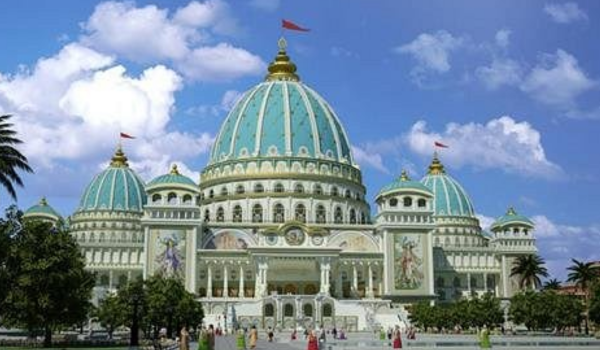
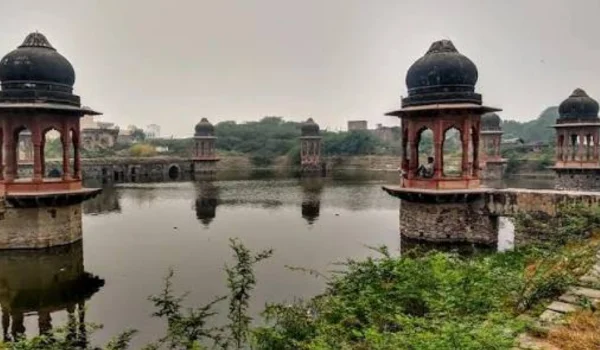
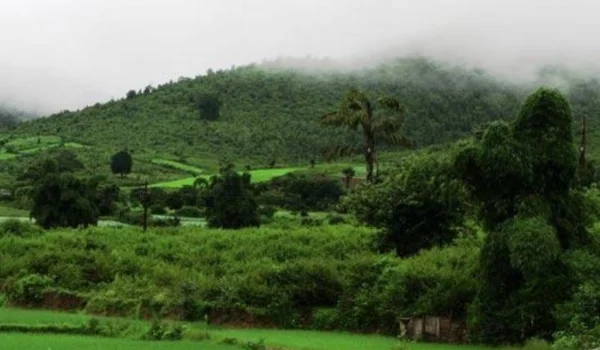
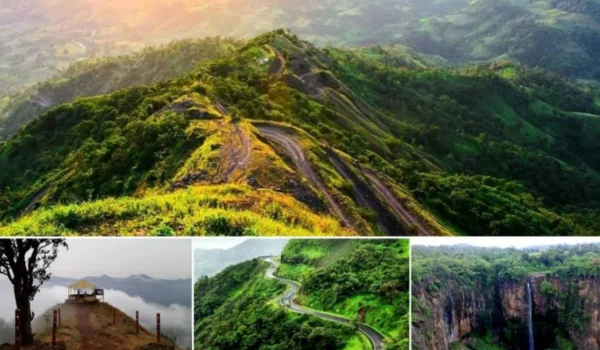
Dang is a beautiful tribal district in Gujarat, located in the eastern part of the state near the Maharashtra border. It is one of Gujarat’s most forested and naturally scenic districts, known for its hills, waterfalls, dense forests, tribal culture and eco-tourism.
Ahwa is the district headquarters. Unlike many other districts of Gujarat, Dang has a predominantly rural and tribal character. Agriculture, forest-based activities, horticulture, handicrafts and tourism are important parts of the local economy.
The district is particularly known for Saputara, Gira Waterfall, Purna Wildlife Sanctuary, Vansda National Park and the traditional Dang Darbar.
Quick Information About Dang District
| Particular | Details |
| District | Dang |
| State | Gujarat |
| District Headquarters | Ahwa |
| Region | South Gujarat |
| Area | About 1,764 sq. km |
| Population | 2,26,769 (Census 2011) |
| Main Languages | Gujarati and local tribal languages |
| Major Rivers | Purna, Ambika and Gira |
| Famous For | Forests, waterfalls, tribal culture and Saputara |
| Important Towns/Areas | Ahwa, Saputara, Waghai and Subir |
| Major Economic Activities | Agriculture, forestry, horticulture, handicrafts and tourism |
Important PIN Codes in Dang District
Different towns, villages and post offices in Dang district have separate PIN codes.
| Area / Town | PIN Code |
| Ahwa | 394710 |
| Waghai | 394730 |
| Saputara | 394720 |
| Subir | 394716 |
| Pampa | 394716 |
| Shabari | 394730 |
| Chankhal | 394716 |
| Mahal | 394730 |
Ahwa, the district headquarters, uses PIN code 394710. PIN codes can vary between villages and individual post offices, so the exact locality should be checked before using a PIN code for postal or official purposes.
Important Facts About Dang District
Some useful facts about Dang include:
- Dang is located in southern Gujarat.
- Ahwa is the district headquarters.
- It is one of Gujarat’s smallest districts by population.
- The district has a predominantly tribal population.
- Dang has extensive forest cover and hilly terrain.
- Saputara is Gujarat’s most famous hill station.
- Gira Waterfall is one of the district’s best-known natural attractions.
- Purna Wildlife Sanctuary is located in the district.
- Vansda National Park lies close to the Dang region.
- Agriculture and forest-based livelihoods are important for local communities.
- Bamboo and other forest products support traditional livelihoods.
- The district has a strong tribal cultural heritage.
- Dang Darbar is an important traditional cultural event.
- Tourism is becoming increasingly important to the local economy.
- The district is close to Maharashtra.
Location and Geography of Dang
Dang is situated in the eastern part of South Gujarat.
The district is surrounded by:
- Navsari towards the west
- Tapi towards the north
- Valsad towards the southwest
- Maharashtra towards the east and southeast
The geography is very different from the plains of central Gujarat.
The district consists largely of:
- Forests
- Hills
- Valleys
- Streams
- Waterfalls
- Tribal villages
The Western Ghats/Sahyadri hill system influences the landscape and climate of the region.
History of Dang District
Dang has a distinctive history shaped by its tribal communities and forested geography.
The region was historically inhabited by tribal groups who maintained strong connections with the surrounding forests and hills.
Tribal Rulers and Dang Darbar
The area historically had several tribal chiefs or local rulers.
During the British period, the relationship between the colonial government and the local chiefs was managed through agreements and administrative arrangements.
The tradition of Dang Darbar developed from this history.
Today, the event is an important cultural occasion celebrating the traditional heritage and identity of the Dang region.
Post-Independence Period
After India’s independence, Dang became part of Bombay State and later Gujarat when the state was created in 1960.
The district continues to have a strong tribal and forest-based character.
Population of Dang District
According to the 2011 Census, Dang district had a population of approximately 2.27 lakh.
The population is predominantly rural.
Important population centres include:
- Ahwa
- Waghai
- Saputara
- Subir
The district’s tribal communities have preserved many traditional customs, festivals, languages and cultural practices.
Economy of Dang District
Dang has a predominantly rural economy.
Major economic activities include:
- Agriculture
- Horticulture
- Forestry
- Forest-based products
- Bamboo-related activities
- Handicrafts
- Tourism
- Small businesses
Because of the forested and hilly landscape, large-scale industrial development is limited compared with the plains of Gujarat.
Agriculture in Dang District
Agriculture is an important source of livelihood for rural households.
Major crops include:
- Rice
- Nagli (finger millet)
- Maize
- Pulses
- Vegetables
Farmers also grow horticultural products and fruits.
The monsoon plays an important role in agricultural production.
Forests and Forest-Based Economy
Forests are one of the most important natural resources of Dang.
The forests provide:
- Bamboo
- Timber and other regulated forest resources
- Medicinal plants
- Fruits
- Mahua
- Other non-timber forest products
Many local communities have traditionally depended on forest resources.
Sustainable forest management and eco-tourism are therefore important for the district’s future development.
Education in Dang District
Dang has schools, colleges and educational institutions serving its largely rural population.
Important education centres include:
- Ahwa
- Waghai
- Saputara
Educational programmes focus on:
- General education
- Teacher training
- Agriculture
- Tribal development
- Skill development
Improving access to higher education and vocational training remains important for young people in the district.
District Court in Dang
Dang has a District and Sessions Court serving the judicial requirements of the district.
The district judiciary handles:
- Civil matters
- Criminal matters
- Family-related matters
- Other legal proceedings
The judicial system also includes subordinate courts and related legal services.
District Hospital and Healthcare
Dang has government healthcare facilities serving its rural and tribal population.
Healthcare infrastructure includes:
- Government hospitals
- Community Health Centres
- Primary Health Centres
- Health sub-centres
- Private clinics
- Diagnostic services
The Community Health Centre at Ahwa and other government health facilities provide important medical services to residents.
For highly specialised treatment, residents may travel to larger cities such as Surat, Navsari or Valsad.
Popular Tourist Attractions in Dang District
Dang is one of Gujarat’s best destinations for nature, waterfalls, forests, hills and tribal tourism.
- Saputara
Saputara is Gujarat’s most famous hill station.
Located in the Dang region, it is known for:
- Saputara Lake
- Sunset Point
- Sunrise Point
- Ropeway
- Forests
- Tribal culture
- Cool hill climate
The town attracts tourists from Gujarat, Maharashtra and other parts of India.
- Gira Waterfall
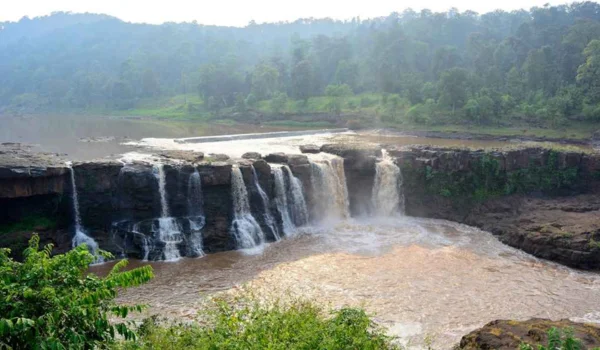
Gira Waterfall near Waghai is one of the most popular natural attractions in the district.
During the monsoon, water flows over the rocky landscape creating a spectacular waterfall.
The waterfall is particularly popular during the rainy season and immediately afterwards.
- Purna Wildlife Sanctuary
Purna Wildlife Sanctuary is an important protected forest area in the Dang region.
The sanctuary is known for:
- Dense forests
- Hills
- Rivers and streams
- Birds
- Wildlife
- Tribal landscapes
It is an important destination for nature and eco-tourism.
- Vansda National Park
Vansda National Park is located in the wider South Gujarat forest region and is closely associated with tourism around Dang.
The park is known for its dense forests and wildlife.
Visitors can explore the region for:
- Nature walks
- Birdwatching
- Wildlife experiences
- Forest photography
- Waghai
Waghai is an important town and tourism centre in the district.
It is known for its access to:
- Gira Waterfall
- Forest areas
- Botanical attractions
- Tribal villages
The Waghai Botanical Garden is another attraction for visitors interested in local plant species.
- Saputara Tribal Museum
The Saputara Tribal Museum provides visitors with an introduction to the traditional lifestyle and culture of tribal communities of the region.
Displays may include:
- Traditional clothing
- Musical instruments
- Household objects
- Agricultural tools
- Art and crafts
- Dang Darbar
The Dang Darbar is one of the district’s most important cultural events.
It reflects the traditional relationship between the region’s tribal chiefs and administration and has developed into a major celebration of Dang’s cultural heritage.
Religious and Cultural Heritage
Dang has a strong tribal cultural identity.
Traditional communities include groups such as:
- Bhils
- Dangs tribal communities
- Other indigenous communities
Traditional culture can be seen in:
- Folk music
- Dance
- Festivals
- Handicrafts
- Traditional clothing
- Village customs
Important festivals and cultural events include:
- Dang Darbar
- Holi
- Diwali
- Navratri
- Local tribal festivals
The region’s tribal art and handicrafts are also important parts of its tourism identity.
Transport and Connectivity
Dang is connected to other parts of Gujarat mainly through roads.
Road Connectivity
Roads connect the district with:
- Navsari
- Valsad
- Surat
- Tapi
- Maharashtra
- Waghai
- Saputara
The hilly terrain means that travel times can be longer than in the plains.
Railway Connectivity
Dang does not have a major railway network within the district.
Nearby railway stations in South Gujarat provide access to the wider railway network.
Bilimora and Waghai are historically associated with the narrow-gauge rail route known as the Bilimora–Waghai line, although its operating status should be checked before planning a journey.
Air Connectivity
The nearest major airport is Surat Airport.
Travellers can also use Vadodara or Ahmedabad airports depending on their destination and available flight connections.
Best Time to Visit Dang District
The best time to visit Dang is generally October to February.
These months are comfortable for:
- Saputara sightseeing
- Forest tourism
- Waterfall visits
- Tribal cultural experiences
- Outdoor activities
The monsoon season is also attractive because waterfalls and forests become especially scenic. However, heavy rainfall can make roads and hiking areas slippery.
Nearby Cities, Districts and Areas
Important nearby places include:
- Navsari
- Valsad
- Surat
- Tapi
- Saputara
- Waghai
- Nashik
- Dhule
Dang’s location near Maharashtra makes it an important gateway between South Gujarat and northern Maharashtra.
Why Is Dang District Important?
Dang is important because it combines dense forests, tribal heritage, agriculture, waterfalls and eco-tourism.
Its major strengths include:
- Saputara
- Gira Waterfall
- Purna Wildlife Sanctuary
- Tribal culture
- Dang Darbar
- Forest resources
- Bamboo and handicrafts
- Eco-tourism opportunities
The district has strong potential for eco-tourism, tribal tourism, homestays, handicrafts, horticulture and sustainable forest-based businesses.
FAQs About Dang District
- What is Dang district famous for?
Dang is famous for Saputara, Gira Waterfall, dense forests, tribal culture, Purna Wildlife Sanctuary and Dang Darbar.
- What is the district headquarters of Dang?
Ahwa is the district headquarters.
- What is the PIN code of Ahwa?
The main PIN code of Ahwa is 394710. Other towns and villages in Dang have different PIN codes.
- Is Saputara in Dang district?
Yes. Saputara is located in Dang district of Gujarat and is the state’s most famous hill station.
- What are the popular tourist places in Dang?
Popular attractions include Saputara, Gira Waterfall, Purna Wildlife Sanctuary, Waghai, Vansda National Park and the Saputara Tribal Museum.
- Does Dang have a district court and district hospital?
Yes. Dang has a District and Sessions Court and government healthcare facilities, including hospitals, community health centres and primary health centres serving the district’s population.
Conclusion
Dang District is one of the most distinctive regions of Gujarat, with a landscape dominated by forests, hills, waterfalls and tribal villages. Saputara gives the district national tourism recognition, while attractions such as Gira Waterfall and Purna Wildlife Sanctuary highlight its natural beauty.
The district’s tribal traditions, forests, handicrafts and agricultural activities are equally important to its identity. With responsible development, Dang has significant potential for eco-tourism, tribal tourism, homestays, handicrafts, horticulture and sustainable rural businesses.
Its natural environment and cultural heritage make Dang an important destination for anyone looking to explore a different side of Gujarat beyond its major cities and industrial centres.