Coimbatore District is one of the most important districts of Tamil Nadu and is widely known as an industrial, textile, educational and commercial centre. Located in western Tamil Nadu near the Western Ghats, the district combines a major urban economy with agriculture, engineering industries, textile manufacturing and tourism.
Coimbatore city is the district headquarters and one of the largest cities in Tamil Nadu. The district is also known for Pollachi, Valparai, Mettupalayam, Siruvani, Aliyar Dam, Kovai Kutralam and the Anamalai hills. Its location near Kerala and the Palakkad Gap makes it an important gateway between Tamil Nadu and Kerala.
Quick Information About Coimbatore District
| Particular | Details |
| District | Coimbatore |
| State | Tamil Nadu |
| District Headquarters | Coimbatore |
| Area | 4,723 sq. km. |
| Population | 34,58,045 (Census 2011) |
| Literacy Rate | About 84% |
| Revenue Divisions | 3 |
| Revenue Taluks | 11 |
| Revenue Villages | 295 |
| Main Language | Tamil |
| Major River | Noyyal |
| Famous For | Textiles, engineering industries, education, agriculture and tourism |
| Important Towns | Coimbatore, Pollachi, Mettupalayam, Valparai, Annur, Sulur, Madukkarai |
The district currently has three revenue divisions—Coimbatore South, Coimbatore North and Pollachi—and 11 revenue taluks: Coimbatore South, Coimbatore North, Perur, Madukkarai, Annur, Mettupalayam, Sulur, Pollachi, Kinathukadavu, Anaimalai and Valparai.
Important PIN Codes in Coimbatore District
PIN codes are useful for postal communication, official documents, online deliveries and identifying local post offices. Some important PIN codes in Coimbatore district are:
| Area / Town | PIN Code |
| Coimbatore | 641001 |
| Pollachi | 642001 |
| Mettupalayam | 641301 |
| Valparai | 642127 |
| Annur | 641653 |
| Sulur | 641402 |
| Madukkarai | 641105 |
| Perur | 641010 |
| Kinathukadavu | 642109 |
| Anaimalai | 642104 |
| Karamadai | 641104 |
PIN codes can vary between individual villages and post offices. The exact post office should be confirmed before using a PIN for official correspondence.
Important Facts About Coimbatore District
Here are some useful facts that make Coimbatore distinctive:
- Coimbatore is one of the major industrial districts of Tamil Nadu.
- Coimbatore city is the district headquarters.
- The city is popularly called the Manchester of South India because of its strong textile industry.
- The district lies near the Western Ghats.
- The Noyyal River is historically important to Coimbatore.
- The Palakkad Gap influences the climate and wind conditions of the region.
- Coimbatore has a major engineering and manufacturing base.
- Textile mills, pumps, motors and machinery are important industries.
- Pollachi is an important agricultural and commercial centre.
- Valparai is a famous hill station surrounded by tea estates and forests.
- Aliyar Dam is one of the major tourist attractions near Pollachi.
- Siruvani is known for its hills, forests and water resources.
- The district has important educational and research institutions.
- Agriculture includes coconut, banana, vegetables, sugarcane and other crops.
- Coimbatore is an important gateway to Kerala and the Nilgiris.
Location and Geography
Coimbatore is situated in western Tamil Nadu and forms part of the Kongu Nadu region. Its western side is close to Kerala, while the Western Ghats dominate parts of the district.
The district shares boundaries with:
- The Nilgiris towards the north
- Erode towards the north and north-east
- Tiruppur towards the east
- Palakkad district of Kerala towards the west
- Idukki district of Kerala towards the south-west
Important geographical features include:
- Western Ghats
- Palakkad Gap
- Noyyal River
- Siruvani Hills
- Anamalai Hills
- Valparai plateau
- Pollachi plains
- Aliyar reservoir
- Pillur reservoir
- Agricultural plains
The district has considerable geographical diversity. Coimbatore city and the eastern areas are largely urban and industrial, while Pollachi and Anaimalai have extensive agricultural landscapes and Valparai has a mountainous environment.
History of Coimbatore District
Coimbatore has a long history associated with the ancient Kongu region of South India.
Ancient History
The region was inhabited from early historic times and was associated with the wider Kongu country. Historical traditions connect the area with early Tamil kingdoms and local communities.
The region later came under the influence of several important South Indian dynasties, including the Cholas, Rashtrakutas, Chalukyas, Pandyas and Hoysalas.
The fertile plains and its position between the Tamil and Kerala regions made the area important for agriculture and trade.
Medieval Period
During the medieval period, different dynasties exercised control over the Kongu region. The Vijayanagara Empire also influenced the region.
Later, Coimbatore became connected with the political struggles involving the Nayaks, Mysore rulers and other regional powers.
British Period
Under British rule, Coimbatore developed as an important administrative district. The district’s boundaries changed several times as neighbouring districts were created.
The development of irrigation, roads, railways and cotton cultivation encouraged commercial agriculture and industrial growth.
Modern Administrative Changes
The district underwent major changes during the twentieth and twenty-first centuries.
In 2009, parts of the former Coimbatore district were separated to form Tiruppur District, significantly reducing the geographical size of Coimbatore.
Further administrative changes created new taluks such as Madukkarai, Perur and Anaimalai, resulting in the present 11-taluk structure.
Population of Coimbatore District
According to the 2011 Census, Coimbatore district had a population of 34,58,045.
The district was highly urbanised compared with many other districts of Tamil Nadu. Census data recorded about 75.7% of the population as urban, making Coimbatore one of the state’s major urbanised districts.
The literacy rate was around 84%, higher than the Tamil Nadu average recorded in the same Census period.
Coimbatore city is the main urban centre, while Pollachi, Mettupalayam, Valparai, Annur, Sulur and Madukkarai are other important towns.
Economy of Coimbatore District
Coimbatore has one of the most diversified economies in Tamil Nadu. The district combines manufacturing, textiles, engineering, agriculture, education, healthcare, trade and information technology.
Major economic sectors include:
- Textile manufacturing
- Engineering industries
- Pumps and motors
- Foundries
- Automobile components
- Food processing
- Agriculture
- Coconut products
- Poultry and dairy
- Information technology
- Education
- Healthcare
- Tourism
- Retail and wholesale trade
The city has a large network of small and medium enterprises, particularly in engineering, manufacturing and textile-related activities.
Agriculture in Coimbatore
Agriculture remains important, particularly in Pollachi, Anaimalai, Kinathukadavu and surrounding areas.
The district’s agricultural economy benefits from irrigation, groundwater and reservoir systems.
Major agricultural products include:
- Coconut
- Banana
- Sugarcane
- Maize
- Vegetables
- Turmeric
- Pulses
- Groundnut
- Fodder crops
- Other horticultural products
Pollachi is particularly famous for coconut cultivation and agricultural trade.
The Western Ghats and surrounding forests also influence rainfall, water resources and agricultural conditions in the district.
Handloom and Traditional Industries
Coimbatore has a strong textile and weaving heritage.
Textile Industry
The development of cotton cultivation and textile mills helped establish Coimbatore as one of India’s important textile centres.
The city has spinning mills, weaving units, garment businesses, textile machinery manufacturers and supporting industries.
Traditional Crafts
Rural areas around Coimbatore and Pollachi also have traditional craft activities involving coconut products, textiles, woodwork and other locally produced goods.
The combination of traditional skills and modern manufacturing has contributed significantly to the district’s economic development.
Industries and Business in Coimbatore District
Coimbatore is one of Tamil Nadu’s leading industrial centres.
Important industrial sectors include:
- Textile mills
- Pumps and motors
- Engineering goods
- Foundries
- Automobile components
- Machinery manufacturing
- Electrical equipment
- Food processing
- Construction materials
- Renewable-energy equipment
- Information technology
- Logistics
- Healthcare services
Industrial and business activity is concentrated around Coimbatore city, Sulur, Kurichi, Singanallur, Peelamedu, Madukkarai and other industrial areas.
The district is particularly recognised for its pump and motor manufacturing ecosystem, engineering companies and textile machinery.
Education in Coimbatore
Coimbatore is one of Tamil Nadu’s major educational centres. The city and surrounding areas have universities, engineering colleges, medical institutions, arts and science colleges, research institutions and schools.
Important educational and research institutions include:
- Tamil Nadu Agricultural University
- Bharathiar University
- Coimbatore Institute of Technology
- Government College of Technology
- PSG educational institutions
- Avinashilingam Institute
- Amrita Vishwa Vidyapeetham in the Coimbatore region
The presence of engineering, medical, agricultural and research institutions attracts students from different parts of Tamil Nadu and neighbouring states.
District Court in Coimbatore
The District Court of Coimbatore serves as an important judicial institution for the district.
The district judiciary deals with civil, criminal and other matters falling under its jurisdiction. Subordinate courts and magistrate courts support judicial administration across different parts of the district.
Revenue and land-related matters are handled through the appropriate revenue and administrative authorities.
District Hospital and Healthcare
Coimbatore is one of the major healthcare centres of western Tamil Nadu.
Important healthcare infrastructure includes:
- Government Coimbatore Medical College Hospital
- District-level government healthcare services
- Government hospitals
- Community Health Centres
- Primary Health Centres
- Urban health facilities
- Private hospitals
- Specialist medical centres
- Diagnostic and emergency services
The city attracts patients from western Tamil Nadu, Kerala and neighbouring districts because of its large network of hospitals and specialist medical services.
Popular Tourist Attractions in Coimbatore District
Coimbatore offers a combination of hills, waterfalls, wildlife, dams, temples, museums and modern city attractions.
- Valparai
Valparai is one of the most famous hill destinations in the district. Located in the Anamalai mountain range, it is surrounded by tea plantations, forests, streams and wildlife habitats.
The journey to Valparai itself is scenic, with winding mountain roads and numerous viewpoints.
- Aliyar Dam
Aliyar Dam is located near Pollachi at the foothills of the Anamalai range.
The reservoir, surrounding hills and landscaped areas make it a popular destination for families and nature lovers. The location is also an important irrigation and water-storage project.
- Monkey Falls
Monkey Falls is a popular waterfall near Aliyar Dam.
The natural surroundings and flowing water make it a well-known weekend destination. Visitors should follow local safety instructions, particularly during periods of heavy rainfall.
- Kovai Kutralam
Kovai Kutralam is a scenic waterfall and forest destination in the Siruvani hills.
The area is known for its natural beauty and forest environment. Access may be subject to forest and local regulations.
- Siruvani
The Siruvani hills and water resources are among Coimbatore’s best-known natural attractions.
Siruvani is particularly associated with its forest landscape and water source. The surrounding Western Ghats provide opportunities for nature experiences and scenic drives.
- Adiyogi Statue
The Adiyogi statue at the Isha Yoga Centre near the foothills of the Velliangiri Mountains is one of the most recognisable modern attractions around Coimbatore.
The large Shiva statue and surrounding spiritual campus attract visitors throughout the year.
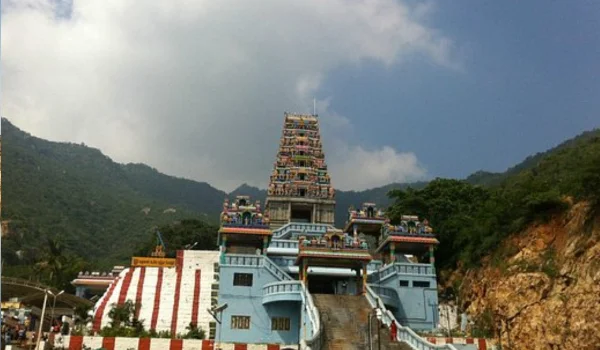
- Marudamalai Temple
Marudamalai Murugan Temple is an important hill temple dedicated to Lord Murugan.
Located on a hill near Coimbatore city, the temple is a major pilgrimage destination and offers views of the surrounding plains.
- Gass Forest Museum
The Gass Forest Museum in Coimbatore is associated with forestry and natural-history collections.
The museum provides visitors with information about forest resources, wildlife, timber and biodiversity.
- Botanical Garden
The Tamil Nadu Agricultural University Botanical Garden is an important green space and educational attraction.
It contains a variety of plants and provides visitors with an opportunity to learn about horticulture and plant diversity.
- Pillur Dam and Karamadai Range
The Pillur Dam and Karamadai forest region are known for their scenic landscapes, reservoirs and Western Ghats environment.
The area is particularly attractive for nature lovers and visitors interested in forest landscapes.
Transport and Connectivity
Road Connectivity
Coimbatore has excellent road connectivity with Chennai, Bengaluru, Kochi, Palakkad, Ooty, Tiruppur, Erode, Salem and other cities.
Major highways and regional roads connect the city with Kerala and other parts of Tamil Nadu.
Roads from Coimbatore lead towards Mettupalayam and Ooty, while Pollachi provides access towards Valparai and the Anamalai region.
Railway Connectivity
Coimbatore Junction is a major railway station in southern India.
The district is connected by rail with Chennai, Bengaluru, Kochi, Palakkad, Madurai, Tiruchirappalli, Mumbai and other major cities.
Mettupalayam is also important for travellers heading towards Ooty and the Nilgiri Mountain Railway.
Air Connectivity
Coimbatore International Airport at Peelamedu provides domestic and international air connectivity.
The airport serves Coimbatore and surrounding districts and is an important gateway for travellers visiting western Tamil Nadu and nearby Kerala.
Best Time to Visit Coimbatore District
The best time to explore most of Coimbatore’s attractions is generally October to March, when temperatures are more comfortable.
For hill destinations such as Valparai and the Western Ghats, weather conditions vary considerably by season. Monsoon periods can produce heavy rainfall and may affect waterfall access and forest travel.
Popular activities include:
- Exploring Valparai
- Visiting Aliyar Dam
- Visiting Monkey Falls
- Exploring Kovai Kutralam
- Visiting Marudamalai Temple
- Exploring the Adiyogi campus
- Visiting museums and gardens
- Exploring Pollachi and surrounding agricultural areas
Nearby Cities, Districts and Areas
Important nearby cities and districts include:
- Tiruppur
- Erode
- The Nilgiris
- Palakkad, Kerala
- Thrissur, Kerala
- Idukki, Kerala
- Salem
- Dindigul
- Ooty
- Kochi
Coimbatore’s location near the Kerala border and the Western Ghats makes it an important centre for trade, tourism, education, healthcare and transportation.
Why Is Coimbatore District Important?
Coimbatore is important because it combines a strong industrial economy, textile heritage, educational infrastructure, agriculture and natural tourism.
Its major strengths include:
- Major textile industry
- Engineering and manufacturing
- Pumps and motors industry
- Strong MSME network
- Agricultural production
- Pollachi’s coconut economy
- Valparai hill region
- Western Ghats biodiversity
- Major educational institutions
- Coimbatore International Airport
- Strong road and railway connectivity
The district is one of the major economic engines of Tamil Nadu and serves as an important gateway between the state and Kerala.
FAQs About Coimbatore District
What is Coimbatore district famous for?
Coimbatore is famous for textile manufacturing, engineering industries, pumps and motors, education, agriculture and tourist destinations such as Valparai and Aliyar Dam.
What is the headquarters of Coimbatore district?
The district headquarters is Coimbatore city.
How many taluks are there in Coimbatore district?
Coimbatore district currently has 11 revenue taluks.
What is the population of Coimbatore district?
According to the 2011 Census, Coimbatore district had a population of 34,58,045.
Which river is associated with Coimbatore?
The Noyyal River is the most historically important river associated with Coimbatore city and the district.
Which places are famous for tourism in Coimbatore?
Important attractions include Valparai, Aliyar Dam, Monkey Falls, Kovai Kutralam, Siruvani, Marudamalai Temple, Adiyogi and the Gass Forest Museum.
Why is Coimbatore called the Manchester of South India?
Coimbatore earned the name Manchester of South India because of its long-established cotton, spinning, weaving and textile manufacturing industries.
Conclusion
Coimbatore District is one of Tamil Nadu’s most important urban and economic regions. Its strong textile and engineering industries, educational institutions, healthcare facilities and agricultural economy have made it a major commercial centre of South India.
At the same time, the district has exceptional natural and cultural attractions. Valparai, Aliyar Dam, Siruvani, Kovai Kutralam, Marudamalai and the Western Ghats give Coimbatore a diverse tourism identity. With excellent road, railway and air connectivity, the district remains an important gateway between Tamil Nadu, Kerala and the wider southern Indian region.