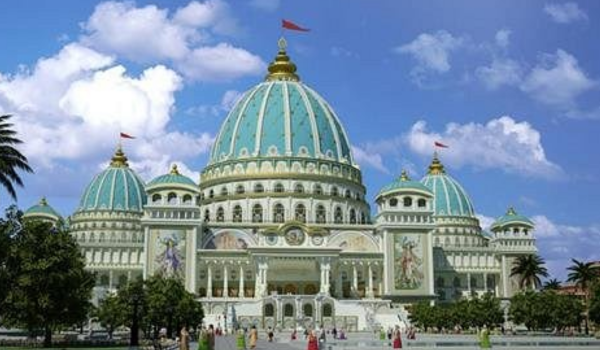
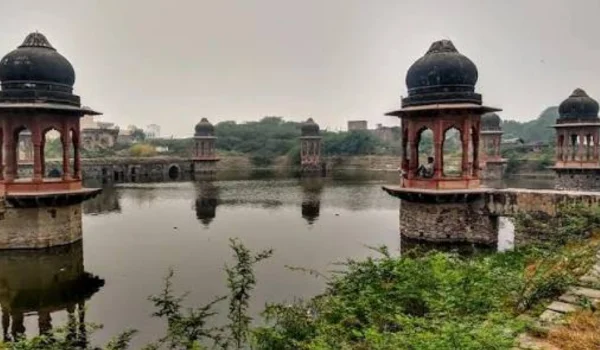
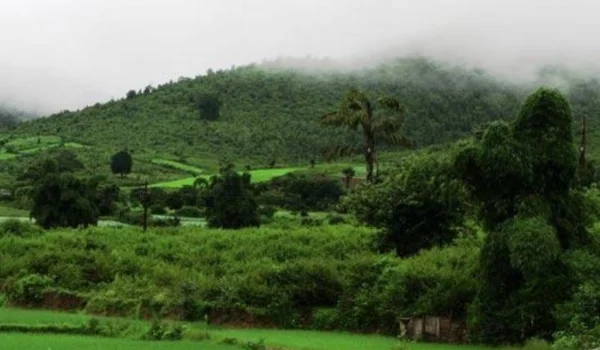
Cachar is an important district in Assam, located in the southern part of the state in the Barak Valley. The district is known for its tea gardens, fertile plains, Bengali and Assamese cultural traditions, historical sites, forests and the city of Silchar, which serves as the district headquarters.
Cachar has an important role in the economy and connectivity of southern Assam. Agriculture, tea, trade, transport, education and services are major parts of the local economy. The district is also known for places such as Kachari Fort, Khaspur, Maniharan Tunnel and Sri Sri Kancha Kanti Temple.
Quick Information About Cachar District
| Particular | Details |
| District | Cachar |
| State | Assam |
| District Headquarters | Silchar |
| Region | Barak Valley |
| Area | About 3,786 sq. km |
| Population | 17,36,617 (Census 2011) |
| Main Languages | Bengali, Assamese and Meitei-related languages in some communities |
| Major Rivers | Barak and its tributaries |
| Famous For | Silchar, tea gardens, Kachari heritage and Barak Valley |
| Important Towns | Silchar, Lakhipur, Sonai, Udharbond and Katigorah |
| Major Economic Activities | Agriculture, tea, trade, transport and services |
Important PIN Codes in Cachar District
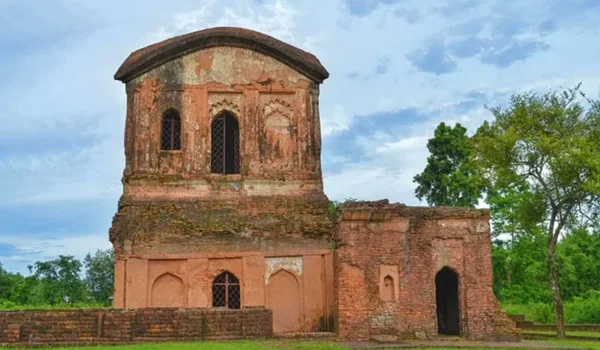
Different towns, villages and post offices in Cachar district have separate PIN codes.
| Area / Town | PIN Code |
| Silchar | 788001 |
| Lakhipur | 788103 |
| Sonai | 788119 |
| Udharbond | 788030 |
| Katigorah | 788805 |
| Badarpur | 788806 |
| Banskandi | 788101 |
| Dholai | 788114 |
| Kalain | 788815 |
| Khaspur | 788101 |
Silchar, the district headquarters, uses PIN code 788001. PIN codes can differ between nearby villages and individual post offices, so the exact locality should be checked before using a PIN code for postal or official purposes.
Important Facts About Cachar District
Some useful facts about Cachar include:
- Cachar is located in the Barak Valley of southern Assam.
- Silchar is the district headquarters.
- The district is one of the important economic centres of southern Assam.
- The Barak River is the major river of the region.
- Cachar is known for its tea gardens and agricultural production.
- Silchar is an important educational, commercial and transportation centre.
- Kachari Fort is an important historical attraction.
- Khaspur is associated with the history of the Kachari Kingdom.
- The district has a strong Bengali cultural influence.
- Rice is one of the major agricultural crops.
- Tea, betel nut, bamboo and various horticultural products are also important.
- The district has road, railway and air connectivity.
- Silchar Airport serves the Barak Valley region.
- Cachar has diverse communities and cultural traditions.
- The district is an important gateway to other parts of southern Assam and the neighbouring northeastern states.
Location and Geography of Cachar
Cachar is situated in the southern part of Assam.
The district is surrounded by:
- Hailakandi towards the west
- Karimganj towards the northwest
- Dima Hasao towards the north
- Manipur towards the east
- Mizoram towards the south
The district forms an important part of the Barak Valley.
Its landscape includes:
- River plains
- Tea gardens
- Hills
- Forest areas
- Wetlands
- Agricultural land
The Barak River and its tributaries play an important role in the geography and agriculture of the region.
History of Cachar District
Cachar has a rich history connected with the Kachari Kingdom, colonial Assam and the wider Barak Valley.
Kachari Kingdom
The region was historically associated with the Kachari rulers, who established an important kingdom in parts of present-day Assam and neighbouring areas.
Khaspur became an important centre of the Kachari Kingdom.
The remains at Khaspur provide evidence of the region’s medieval history.
British Period
The British annexed Cachar in the 19th century.
Silchar subsequently developed as an important administrative and commercial centre.
The development of tea plantations and transport networks during the colonial period contributed to the economic growth of the region.
Language Movement
Cachar and the wider Barak Valley also have an important place in the history of India’s language movements.
On 19 May 1961, people protesting for recognition of Bengali as an official language of the Barak Valley were killed in police firing at Silchar railway station.
The day is remembered as Bhasha Shahid Divas in the region.
Population of Cachar District
According to the 2011 Census, Cachar district had a population of approximately 17.37 lakh.
Silchar is the largest urban centre and an important commercial and educational hub.
Other important population centres include:
- Lakhipur
- Sonai
- Udharbond
- Katigorah
- Badarpur
- Dholai
The district has both urban and rural populations.
Economy of Cachar District
Cachar has a diverse economy based on agriculture, tea, trade, transport, education and services.
Major sectors include:
- Agriculture
- Tea
- Horticulture
- Food processing
- Retail
- Transport
- Education
- Healthcare
- Construction
- Small businesses
Silchar acts as an important commercial centre for the Barak Valley.
Agriculture in Cachar District
Agriculture is an important source of livelihood in rural Cachar.
Major crops and agricultural products include:
- Rice
- Pulses
- Mustard
- Vegetables
- Betel nut
- Banana
- Pineapple
- Bamboo
The fertile Barak Valley plains provide favourable conditions for farming.
Horticulture also has considerable potential in the district.
Tea Industry in Cachar
Tea is one of the important plantation crops in Cachar.
The district has several tea gardens, contributing to the economy and employment of the region.
Tea production supports businesses involved in:
- Plantation
- Processing
- Packaging
- Transportation
- Trading
The tea industry also contributes to Assam’s wider reputation as one of India’s major tea-producing regions.
Education in Cachar District
Silchar is one of the most important education centres in southern Assam.
The district has schools, colleges and higher education institutions.
An important institution is Assam University, Silchar, a central university serving students from Assam and other parts of Northeast India.
The district also has institutions offering:
- Arts and science
- Commerce
- Engineering
- Medical education
- Teacher education
- Professional courses
District Court in Cachar
Cachar has a District and Sessions Court serving the judicial needs of the district.
The district judiciary deals with:
- Civil cases
- Criminal cases
- Family matters
- Other legal proceedings
The court system also includes subordinate courts serving different areas.
District Hospital and Healthcare
Cachar has a relatively developed healthcare network compared with many rural districts in the region.
Important healthcare facilities include:
- Government hospitals
- Silchar Medical College and Hospital
- Community Health Centres
- Primary Health Centres
- Private hospitals
- Clinics
- Diagnostic centres
Silchar Medical College and Hospital is one of the most important medical institutions in southern Assam and serves patients from Cachar and neighbouring districts and states.
Popular Tourist Attractions in Cachar District
Cachar offers a combination of historical, religious, cultural and natural attractions.
- Kachari Fort
The Kachari Fort, also associated with the Kachari heritage of the region, is an important historical attraction.
The remains reflect the architectural and cultural traditions of the Kachari Kingdom.
- Khaspur
Khaspur is one of the most important historical sites in Cachar.
It was an important capital of the Kachari rulers.
Visitors can explore historic remains and structures associated with the Kachari period.
- Maniharan Tunnel
Maniharan Tunnel is a popular religious and tourist destination near the Barak Valley region.
According to local tradition, the site has connections with Lord Krishna.
The location attracts pilgrims as well as visitors interested in local legends.
- Sri Sri Kancha Kanti Devi Temple
The Sri Sri Kancha Kanti Devi Temple at Udharbond is one of the well-known religious sites in Cachar.
The temple is associated with the worship of the goddess Kancha Kanti and attracts devotees from different parts of Assam and neighbouring states.
- Silchar
Silchar itself has several attractions, markets, temples and cultural sites.
The city is particularly interesting for visitors who want to experience the culture and everyday life of the Barak Valley.
- Barak River
The Barak River is an important geographical and cultural feature of the district.
Its surrounding landscapes offer opportunities for nature-oriented visits and photography.
Visitors should follow local safety instructions near riverbanks, particularly during periods of high water.
Religious and Cultural Heritage
Cachar has a diverse cultural identity shaped by different communities living in the Barak Valley.
Important religious traditions include:
- Hinduism
- Islam
- Christianity
- Vaishnav traditions
- Local indigenous traditions
Important festivals include:
- Durga Puja
- Kali Puja
- Diwali
- Bihu
- Eid
- Christmas
- Janmashtami
Durga Puja is particularly prominent in Silchar and other parts of the district.
The cultural life of Cachar also reflects Bengali literary and linguistic traditions alongside Assamese and other northeastern cultures.
Transport and Connectivity
Cachar is an important transportation centre for southern Assam.
Road Connectivity
Roads connect Cachar with:
- Guwahati
- Hailakandi
- Karimganj
- Haflong
- Mizoram
- Manipur
- Tripura
Silchar is an important road transport hub for the Barak Valley.
Railway Connectivity
Silchar railway station is an important railway station in southern Assam.
Rail connections link the region with:
- Guwahati
- Agartala
- Badarpur
- Other parts of Assam
- Northeastern states
Badarpur Junction is another important railway point serving the region.
Air Connectivity
Silchar Airport, also known as Kumbhirgram Airport, is the main airport serving Cachar and the wider Barak Valley.
It provides air connectivity with major cities such as Guwahati and other destinations, depending on the operating schedule.
Best Time to Visit Cachar
The best time to visit Cachar is generally October to March.
The weather during these months is more comfortable for:
- Historical sightseeing
- Temple visits
- Exploring Silchar
- Nature trips
- Cultural tourism
The monsoon can bring heavy rainfall, and river levels may rise during this period.
Nearby Cities, Districts and Areas
Important nearby places include:
- Silchar
- Hailakandi
- Karimganj
- Haflong
- Aizawl
- Imphal
- Agartala
- Guwahati
Cachar is strategically important because it acts as a gateway between Assam’s Barak Valley and several neighbouring northeastern states.
Why Is Cachar District Important?
Cachar is important because of its combination of commercial activity, agriculture, tea, education, healthcare, cultural diversity and transport connectivity.
Its major strengths include:
- Silchar’s commercial importance
- Barak Valley
- Tea gardens
- Kachari heritage
- Khaspur
- Silchar Medical College
- Assam University
- Railway connectivity
- Silchar Airport
- Agriculture and horticulture
The district has strong potential for education, healthcare, tourism, logistics, agro-processing, tea businesses and regional trade.
FAQs About Cachar District
- What is Cachar district famous for?
Cachar is famous for Silchar, Barak Valley, tea gardens, Kachari heritage, Khaspur and its cultural diversity.
- What is the district headquarters of Cachar?
Silchar is the district headquarters.
- What is the PIN code of Silchar?
The main PIN code of Silchar is 788001. Other towns and villages in Cachar have different PIN codes.
- What are the popular tourist places in Cachar?
Popular attractions include Khaspur, Kachari Fort, Maniharan Tunnel, Sri Sri Kancha Kanti Devi Temple and the Barak River region.
- Which river is important in Cachar district?
The Barak River is the most important river associated with Cachar and the wider Barak Valley.
- Does Cachar have a district court and district hospital?
Yes. Cachar has a District and Sessions Court and major healthcare facilities, including Silchar Medical College and Hospital, along with government health centres and private hospitals.
Conclusion
Cachar District is one of the most important districts of southern Assam and serves as a major centre of the Barak Valley. Silchar functions as an important hub for commerce, education, healthcare, transportation and regional services.
The district’s Kachari heritage, tea gardens, Barak River, religious sites and diverse cultural traditions give it a distinctive identity. At the same time, institutions such as Assam University and Silchar Medical College and Hospital strengthen its educational and healthcare importance.
With its strategic location and connectivity to Mizoram, Manipur, Tripura and other parts of Assam, Cachar has significant potential for tourism, logistics, education, healthcare, agriculture and regional trade.