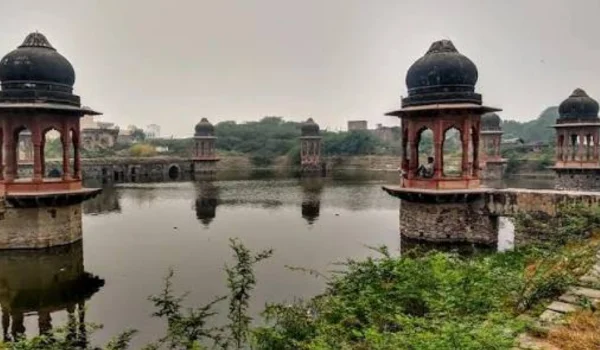
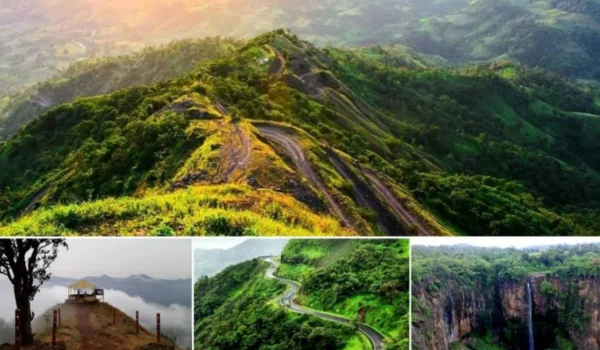
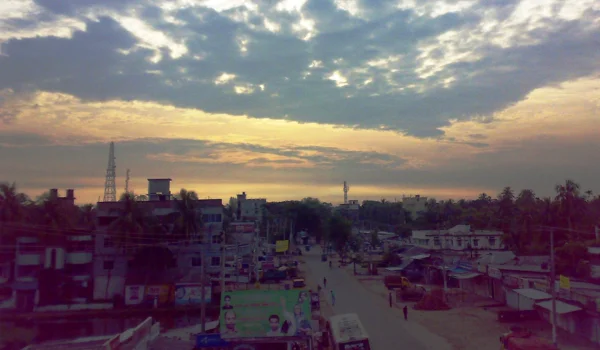
Kandhamal is a scenic and culturally diverse district in Odisha, known for its green hills, forests, waterfalls, tribal communities, agriculture and cool climate. Located in the central part of the state, the district is one of Odisha’s important highland regions.
Kandhamal is especially famous for Daringbadi, often called the “Kashmir of Odisha” because of its pleasant climate and winter chill. The district is also known for Phulbani, Belghar, Kotagarh Wildlife Sanctuary, Putudi Waterfall and Balaskumpa. Agriculture, horticulture and forest-based activities are important parts of the local economy.
Quick Information About Kandhamal District
| Particular | Details |
| District | Kandhamal |
| State | Odisha |
| District Headquarters | Phulbani |
| Formation | 1994 |
| Area | About 8,021 sq. km |
| Population | 7,33,110 (Census 2011) |
| Literacy Rate | About 65.12% |
| Sub-Divisions | 2 |
| Tehsils | 12 |
| Blocks | 12 |
| Main Languages | Odia and Kui |
| Major Rivers | Rushikulya, Pila Salunki and Bada Salunki |
| Famous For | Daringbadi, forests, hills, turmeric, tribal culture and waterfalls |
| Important Towns | Phulbani, Baliguda, Daringbadi, G. Udayagiri and Balliguda |
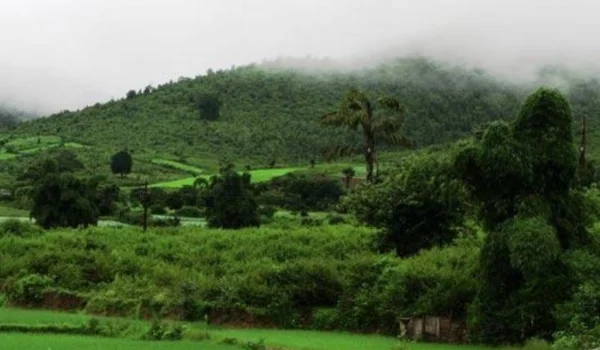
Kandhamal has a predominantly hilly landscape and a significant tribal population, giving it a distinctive cultural identity within Odisha.
Important PIN Codes in Kandhamal District
PIN codes are useful for postal services, online deliveries, business addresses and local searches. Some important areas include:
| Area / Town | PIN Code |
| Phulbani | 762001 |
| Baliguda | 762103 |
| Daringbadi | 762104 |
| G. Udayagiri | 762100 |
| Tikabali | 762010 |
| Raikia | 762101 |
| K. Nuagaon | 762105 |
| Kotagarh | 762107 |
| Tumudibandha | 762107 |
| Chakapad | 762020 |
| Brahmanigaon | 762106 |
PIN codes may vary between villages and individual post offices, so the exact postal office should be checked when preparing a complete address.
Important Facts About Kandhamal District
Here are some useful facts that make Kandhamal distinctive:
- Kandhamal is located in the central highlands of Odisha.
- Phulbani is the district headquarters.
- The district was created in 1994.
- Kandhamal was formed from areas that were earlier part of Boudh-Kandhamal district.
- The district has a large Scheduled Tribe population.
- Important tribal communities include the Kandha/Kondh people.
- Daringbadi is one of Odisha’s most popular hill destinations.
- Daringbadi is popularly known as the “Kashmir of Odisha.”
- Kandhamal is famous for its turmeric, including the GI-tagged Kandhamal Haladi.
- The district has extensive forests and hills.
- Kotagarh Wildlife Sanctuary is an important wildlife area.
- Belghar is known for its scenic hills and tribal culture.
- Putudi Waterfall is one of the district’s popular natural attractions.
- Agriculture and forest-based livelihoods are important to local communities.
- The district has a relatively cool climate in its higher elevations compared with many lowland parts of Odisha.
Location and Geography of Kandhamal
Kandhamal is situated in the central part of Odisha.
The district shares boundaries with:
- Boudh to the north
- Ganjam to the east
- Kalahandi and Rayagada to the south
- Bargarh and other western Odisha regions towards the west
The district has a predominantly mountainous landscape.
Its geography includes:
- Hills
- Dense forests
- Valleys
- Waterfalls
- Agricultural fields
- River systems
- Plateaus
Much of Kandhamal lies at a relatively higher elevation, which contributes to its cooler climate in places such as Daringbadi and Belghar.
History of Kandhamal District
Kandhamal has a long history associated with tribal communities, local kingdoms and the administrative development of Odisha.
Tribal Heritage
The Kandha/Kondh communities have lived in the region for generations.
Traditional agriculture, forest knowledge, festivals, music, dance and village customs continue to influence the cultural identity of the district.
Colonial Period
During British rule, the region was administered through the broader political and administrative structure of Odisha.
The area’s difficult terrain and extensive forests influenced its historical development.
Formation of the District
Kandhamal became a separate district in 1994.
The creation of the district brought together a number of hilly and tribal areas under a dedicated district administration.
Phulbani was selected as the administrative headquarters.
Population of Kandhamal District
According to the 2011 Census, Kandhamal had a population of approximately 7.33 lakh.
The district has a predominantly rural population.
A substantial share of the population belongs to Scheduled Tribe communities, particularly Kandha/Kondh groups.
The literacy rate recorded in Census 2011 was approximately 65.12%.
The population is spread across hilly villages, forest areas and small towns.
Economy of Kandhamal District
Kandhamal’s economy is largely based on:
- Agriculture
- Horticulture
- Forest produce
- Handicrafts
- Livestock
- Small businesses
- Tourism
The district’s climate and soil conditions support several crops that are important to the local economy.
Agriculture in Kandhamal
Agriculture remains one of the main sources of livelihood.
Important agricultural products include:
- Turmeric
- Paddy
- Ginger
- Maize
- Vegetables
- Mustard
- Pulses
- Fruits
Kandhamal Haladi
Kandhamal is particularly famous for Kandhamal Haladi, its traditional turmeric.
The product has received a Geographical Indication (GI) tag and is an important agricultural identity of the district.
Horticulture
The district’s cool highland conditions support horticultural activities, including:
- Oranges
- Pineapple
- Ginger
- Turmeric
- Vegetables
- Other seasonal fruits
Forests and Tribal Economy
Forests play an important role in Kandhamal’s economy and lifestyle.
Local communities depend on agriculture along with forest-based activities.
Minor forest produce can include:
- Honey
- Bamboo
- Medicinal plants
- Mahua
- Tendu leaves
- Various forest fruits and seeds
Forest resources also contribute to traditional crafts and household livelihoods.
Industries and Business in Kandhamal
Kandhamal does not have a large heavy-industrial base.
Instead, its business opportunities are concentrated around agriculture, forest products, tourism and small-scale enterprises.
Major sectors include:
- Turmeric processing
- Food processing
- Horticulture
- Handicrafts
- Forest-based products
- Dairy
- Poultry
- Tourism
- Hospitality
- Retail trade
- Transport
The district’s tourism potential has also encouraged the growth of hotels, homestays, restaurants and local transport services in places such as Daringbadi.
Education in Kandhamal
Kandhamal has schools, colleges and other educational institutions serving its urban and rural population.
Important education centres include:
- Phulbani
- Baliguda
- G. Udayagiri
- Daringbadi
- Raikia
The district also has government residential and welfare programmes aimed at improving educational access for tribal and rural students.
District Court in Kandhamal
Kandhamal has a District and Sessions Court serving the district.
The district judiciary provides civil, criminal and other judicial services.
Subordinate courts and judicial institutions serve residents in different parts of the district.
District Hospital and Healthcare
Kandhamal has government healthcare facilities serving urban, rural and tribal communities.
Important facilities include:
- District Headquarters Hospital, Phulbani
- Sub-divisional hospitals
- Community Health Centres
- Primary Health Centres
- Health sub-centres
Healthcare infrastructure is particularly important in remote hilly areas, where geographical distance can make access to medical services more challenging.
Popular Tourist Attractions in Kandhamal
Kandhamal is one of Odisha’s best destinations for hill tourism, nature, waterfalls and tribal culture.
- Daringbadi
Daringbadi is the district’s most famous tourist destination.
It is located at a high elevation and is known for:
- Cool climate
- Pine forests
- Coffee plantations
- Valleys
- Waterfalls
- Green hills
Because of its winter climate, Daringbadi is popularly called the “Kashmir of Odisha.”
- Putudi Waterfall
Putudi Waterfall is located in a forested landscape near Phulbani.
The waterfall and surrounding greenery make it a popular destination for nature lovers.
It is especially attractive during and after the monsoon.
- Belghar
Belghar is a scenic hill destination known for its forests, hills and tribal communities.
The area offers visitors an opportunity to experience the natural landscape and traditional culture of Kandhamal.
- Kotagarh Wildlife Sanctuary
Kotagarh Wildlife Sanctuary is an important protected forest area in Kandhamal.
It is known for its forests and biodiversity and provides habitat for a variety of wildlife.
The sanctuary is also important for conservation and the livelihoods of surrounding communities.
- Balaskumpa
Balaskumpa is an important religious destination in the district.
The area is known for the Barala Devi Temple, which attracts devotees from nearby regions.
- Phulbani
Phulbani is the district headquarters and an important base for exploring Kandhamal.
The town and surrounding areas provide access to local markets, temples and nearby natural attractions.
- Ludu Waterfall
Ludu Waterfall is another natural attraction in the district.
Surrounded by forest and hills, it is particularly scenic during the rainy season.
- Chakapad
Chakapad is known for its religious significance and temple traditions.
The area is also surrounded by the green landscapes characteristic of Kandhamal.
Transport and Connectivity
Kandhamal has road connectivity with important towns and districts of Odisha.
Road Connectivity
Roads connect Kandhamal with:
- Berhampur
- Bhubaneswar
- Boudh
- Rayagada
- Kalahandi
- Ganjam
- Nayagarh
- Other parts of Odisha
Because much of the district is hilly, road travel times can be longer than distances might suggest.
Railway Connectivity
Kandhamal does not have extensive railway coverage.
The nearest important railway stations for many travellers include stations in neighbouring districts such as:
- Berhampur
- Phulbani-side connecting routes
- Balangir
Travellers generally use road transport after reaching the nearest major railway station.
Air Connectivity
The nearest major airport is Biju Patnaik International Airport, Bhubaneswar.
Veer Surendra Sai Airport, Jharsuguda may also be an option depending on the travel route and available flights.
Best Time to Visit Kandhamal
The best time to visit Kandhamal is generally October to February.
These months are ideal for exploring:
- Daringbadi
- Belghar
- Waterfalls
- Forest areas
- Temples
- Scenic viewpoints
Monsoon
The monsoon season turns Kandhamal’s hills and forests deep green.
Waterfalls such as Putudi and Ludu become more attractive during this period.
However, heavy rainfall can affect roads and travel in remote hilly areas.
Nearby Cities, Districts and Areas
Important nearby places include:
- Phulbani
- Daringbadi
- Baliguda
- Berhampur
- Boudh
- Ganjam
- Rayagada
- Kalahandi
- Nayagarh
- Bhubaneswar
Kandhamal’s central location makes it a useful link between several regions of southern and central Odisha.
Why Is Kandhamal District Important?
Kandhamal is important because it combines tribal culture, agriculture, forests, hill tourism and unique agricultural products.
Its major strengths include:
- Daringbadi
- Kandhamal Haladi
- Tribal heritage
- Kotagarh Wildlife Sanctuary
- Belghar
- Putudi Waterfall
- Forest resources
- Horticulture
- Cool highland climate
- Religious tourism
The district is particularly important for understanding Odisha’s tribal culture and highland geography.
FAQs About Kandhamal District
When was Kandhamal district formed?
Kandhamal became a separate district in 1994.
What is Kandhamal district famous for?
Kandhamal is famous for Daringbadi, tribal culture, Kandhamal Haladi turmeric, forests, waterfalls and hill landscapes.
What is the PIN code of Kandhamal district headquarters?
The PIN code of Phulbani is 762001. Other towns and villages have their own PIN codes.
What are the popular tourist places in Kandhamal?
Popular attractions include Daringbadi, Putudi Waterfall, Belghar, Kotagarh Wildlife Sanctuary, Balaskumpa, Ludu Waterfall and Chakapad.
What is the district headquarters of Kandhamal?
Phulbani is the district headquarters of Kandhamal.
Does Kandhamal have a district court and district hospital?
Yes. Kandhamal has a District and Sessions Court and a District Headquarters Hospital at Phulbani, along with CHCs, PHCs and other healthcare facilities.
Conclusion
Kandhamal District is one of Odisha’s most scenic and culturally distinctive districts. Its green hills, forests, tribal heritage, cool climate and agricultural traditions give it a unique identity.
Daringbadi remains the district’s biggest tourism attraction, while Kandhamal Haladi, Belghar, Kotagarh Wildlife Sanctuary and Putudi Waterfall add to its agricultural, cultural and natural importance.
With its combination of tribal heritage, horticulture, forests, tourism and unique geography, Kandhamal has an important place in the social, cultural and economic landscape of Odisha.