Sitapur District is an important district in the central part of Uttar Pradesh and is part of the Lucknow Division. The district is known for its ancient religious traditions, agricultural economy, historical background and important pilgrimage centre Naimisharanya, also known as Naimish Dham.
Sitapur has a strong connection with Hindu mythology, ancient Indian learning traditions and the freedom movement. Its major rivers, fertile agricultural land, historic towns, temples and pilgrimage sites give the district a distinctive cultural and geographical identity.
Quick Information About Sitapur District
| Particular | Details |
| District | Sitapur |
| State | Uttar Pradesh |
| Division | Lucknow Division |
| District Headquarters | Sitapur City |
| Area | 5,743 sq. km |
| Population | 44,83,992 |
| Literacy Rate | 61.1% |
| Tehsils | 7 |
| Development Blocks | 19 |
| Main Languages | Hindi, Urdu, Awadhi |
| Major Rivers | Gomti, Ghaghra, Chauka |
| Famous For | Naimisharanya, temples, agriculture, historical heritage |
| Vehicle Registration | UP-34 |
| District PIN | 261001 |
| Important Towns | Sitapur, Biswan, Laharpur, Mahmudabad, Mishrikh, Maholi, Sidhauli |
The district administration currently lists 7 tehsils and 19 development blocks. The district website records a population of 44,83,992, based on the 2011 Census figures.
Important PIN Codes in Sitapur District
Sitapur District has several towns and thousands of villages, so PIN codes vary by post office. Some important PIN codes include:
| Area/Town | PIN Code |
| Sitapur | 261001 |
| Biswan | 261201 |
| Laharpur | 261135 |
| Mahmudabad | 261203 |
| Mishrikh | 261401 |
| Sidhauli | 261303 |
| Maholi | 261141 |
| Hargaon | 261121 |
| Khairabad | 261131 |
| Reusa | 261205 |
| Mahmoodabad | 261203 |
| Naimisharanya | 261402 |
The exact PIN code should be confirmed according to the particular post office and locality before using it for official correspondence.
Important Facts About Sitapur District
Here are some useful facts that make Sitapur distinctive:
- Sitapur is located in central Uttar Pradesh.
- It forms part of the Lucknow Division.
- The district headquarters is Sitapur city.
- The district covers approximately 5,743 sq. km.
- The 2011 Census population was 44,83,992.
- The district has 7 tehsils.
- There are 19 development blocks.
- Important languages include Hindi, Urdu and Awadhi.
- Naimisharanya is one of the district’s most important pilgrimage destinations.
- The Gomti, Ghaghra and Chauka are important rivers of the region.
- Agriculture is a major occupation.
- Important crops include wheat, rice and urd, while sugarcane, mustard and groundnut are among important cash crops.
- Sitapur has a significant history associated with the Indian freedom movement.
- Mahmudabad, Biswan, Laharpur and Mishrikh are important historic and administrative centres.
- The district has several temples, pilgrimage sites, parks and picnic locations.
Location and Geography
Sitapur is situated in the central part of Uttar Pradesh and belongs to the Lucknow Division. Its location places it between several important districts of northern and central Uttar Pradesh.
The district shares boundaries with:
- Lakhimpur Kheri District towards the north
- Bahraich District towards the east
- Barabanki District towards the southeast
- Lucknow District towards the south
- Hardoi District towards the west
Important geographical features include:
- Gomti River
- Ghaghra River
- Chauka River
- Sarain and other smaller tributaries
- Fertile alluvial plains
- Bhood, Domat and Matiyar soil types
- Agricultural landscapes
- Low-lying riverine areas
The district is generally flat and suitable for agriculture. The rivers and fertile soils have historically supported farming and settlement.
History of Sitapur District
Ancient History
Sitapur has a long historical and religious background. According to local traditions, the name Sitapur is associated with Sita, the wife of Lord Rama. The district administration notes that there is no single officially established explanation for the name, although traditional accounts connect it with Sita.
Historical references also indicate that the region was known by names such as Chatyapur or Chitiapur during the Mughal period.
The area was associated with different ancient political powers, including the Shishunaga and Shunga dynasties. Archaeological discoveries of clay and small statues from different periods provide evidence of the area’s long settlement history.
Naimisharanya and Religious History
The greatest religious importance of Sitapur comes from Naimisharanya. Located near the Gomti River, Naimisharanya is considered a highly sacred place in Hindu tradition.
According to religious traditions, many ancient sages gathered here for spiritual discussions and the narration of sacred texts. The site is closely associated with Maharishi Ved Vyasa, the Puranas and numerous stories from Hindu scriptures.
Traditions also connect Naimisharanya with the Pandavas, Lord Rama and Sita.
Medieval Period
During the medieval period, the region came under different North Indian powers. References from the Mughal period mention the area under names associated with Chitiapur.
The development of towns, agricultural settlements and religious centres continued through this period.
Freedom Movement
Sitapur played an active role in India’s freedom struggle.
During the Revolt of 1857, the district witnessed important political activity. Later, residents participated in the Non-Cooperation Movement.
Mahatma Gandhi visited Sitapur in 1925 and addressed people at Lalbagh. Several other national leaders also visited or were associated with the political activities of the district.
This history gives Sitapur an important place in the freedom movement of Uttar Pradesh.
Population of Sitapur District
According to the 2011 Census, Sitapur District had a population of 44,83,992. The district’s overall literacy rate was approximately 61.1%.
The population is distributed across urban towns and a large rural landscape. Agriculture remains an important source of livelihood for rural households.
Major population and administrative centres include:
- Sitapur
- Biswan
- Laharpur
- Mahmudabad
- Mishrikh
- Maholi
- Sidhauli
The district has a predominantly Hindi-speaking population, while Awadhi and Urdu are also widely used.
Economy of Sitapur District
The economy of Sitapur is strongly influenced by agriculture, trade, small businesses and rural activities.
Major economic sectors include:
- Agriculture
- Sugarcane-related activities
- Food processing
- Small-scale industries
- Dairy and livestock
- Retail and wholesale trade
- Handicrafts and local production
- Transport
- Construction
- Tourism and pilgrimage services
The district’s location near Lucknow also provides access to a large regional market.
Agriculture in Sitapur District
Agriculture is one of the most important economic activities in Sitapur. The fertile plains and river systems support a variety of crops.
Major crops include:
- Wheat
- Rice
- Urd
- Sugarcane
- Mustard
- Groundnut
- Pulses
- Seasonal vegetables
Wheat and rice are important food crops, while sugarcane, mustard and groundnut have commercial importance.
The Gomti, Ghaghra, Chauka and smaller water systems contribute to the agricultural landscape. Irrigation, rainfall and groundwater availability influence farming patterns across different parts of the district.
Handloom and Traditional Industries
Sitapur is not primarily known as one of Uttar Pradesh’s major handloom centres, but traditional skills and small-scale production remain part of the local economy.
Rural households may be involved in activities such as:
- Traditional crafts
- Small household industries
- Food processing
- Dairy products
- Agricultural processing
- Local artisan work
The district’s cultural identity is more strongly associated with religious heritage, agriculture and traditional rural life than with a single large handloom industry.
Industries and Business in Sitapur District
Industrial activity in Sitapur is mainly based on agriculture-related industries, small and medium enterprises and local trade.
Important business activities include:
- Sugar and sugarcane-related activities
- Food processing
- Rice and grain processing
- Oilseed processing
- Dairy
- Agricultural equipment and inputs
- Construction materials
- Retail and wholesale trade
- Transport and logistics
- Small manufacturing units
Sitapur city, Biswan, Mahmudabad, Laharpur and other major towns serve as important commercial centres for surrounding rural areas.
The district’s agricultural production provides raw materials for several local businesses and supports a large network of traders and service providers.
Education in Sitapur District
Education is an important part of the district’s social infrastructure. Sitapur has schools, intermediate colleges, degree colleges and professional educational institutions.
Major educational activity is concentrated around Sitapur city and other major towns such as Biswan, Mahmudabad, Laharpur, Sidhauli and Mishrikh.
The district also benefits from its proximity to Lucknow, allowing students to access universities, professional colleges and specialised educational institutions in the state capital.
District Court in Sitapur
The District Court, Sitapur provides judicial services for the district. It is an important part of the district’s administrative and legal infrastructure.
Subordinate courts and judicial establishments serve different areas according to territorial jurisdiction. Court users should confirm the applicable court, jurisdiction and current working arrangements before visiting.
District Hospital and Healthcare
Healthcare services in Sitapur include government hospitals, community health centres, primary health centres and private medical facilities.
Important categories of healthcare infrastructure include:
- District-level hospital services
- Community Health Centres
- Primary Health Centres
- Sub-centres
- Government health programmes
- Private hospitals and clinics
- Diagnostic centres
- Pharmacies
The district has a large rural population, making primary and community healthcare particularly important.
Popular Tourist Attractions in Sitapur District
Sitapur is especially important for religious tourism and pilgrimage. Naimisharanya is the central attraction, while the district also has temples, historic places, parks and picnic destinations.
- Naimisharanya
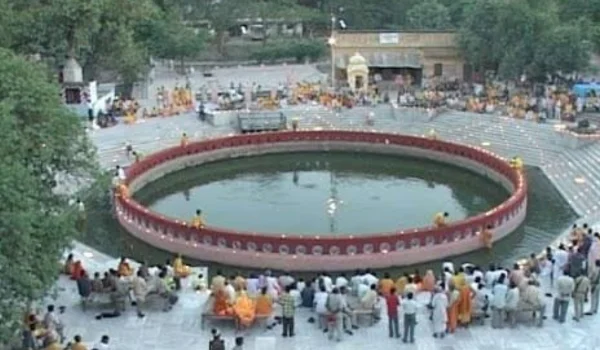
Naimisharanya, also known as Naimish Dham or Neemsar, is the most famous pilgrimage destination in Sitapur.
It is regarded as one of the important sacred places in Hindu tradition. The area is associated with ancient sages, religious texts and numerous mythological stories.
- Chakra Teerth
Chakra Teerth is one of the most sacred sites within Naimisharanya. Religious tradition associates the place with the divine discus of Lord Vishnu.
Pilgrims visit the site throughout the year, especially during important religious occasions.
- Lalita Devi Temple
The Lalita Devi Temple at Naimisharanya is an important Shakti pilgrimage site. It attracts devotees visiting the Naimisharanya religious circuit.
The temple is an important part of the district’s spiritual tourism.
- Dadhichi Kund and Ashram
The Naimisharanya region is also associated with Maharishi Dadhichi, one of the important figures in Hindu mythology.
The area connected with Dadhichi is visited by pilgrims exploring the wider sacred landscape of Naimisharanya.
- Vyas Gaddi
Vyas Gaddi is traditionally associated with Maharishi Ved Vyasa and the narration of sacred scriptures.
It is one of the important religious places included in the Naimisharanya pilgrimage circuit.
- Hanuman Garhi
Hanuman Garhi is another religious site in the Naimisharanya area. Devotees visiting the pilgrimage centre often include it in their religious itinerary.
- Misrikh
Mishrikh is an important historical and religious town of Sitapur District. It is associated with the sacred traditions surrounding Naimisharanya and has several religious places.
- Mahmudabad
Mahmudabad is known for its historical heritage and the Mahmudabad estate and palace-related heritage. The town reflects the region’s medieval and later political history.
- Ilasia Bal Vanodyan
Ilasia Bal Vanodyan, also known as Ilasia Park, is a recreational green space in Sitapur city.
It is suitable for local families and visitors looking for a simple outdoor leisure destination.
- Neelgaon Picnic Spot
Neelgaon Picnic Spot is one of the recreational locations listed by the district administration. It provides an opportunity to enjoy the local natural surroundings away from the busy urban areas.
Transport and Connectivity
Road Connectivity
Sitapur has good road connections with Lucknow, Lakhimpur Kheri, Hardoi, Bahraich and Barabanki.
Roads connect the district headquarters with its major towns and rural areas. State highways and other important district roads support movement of agricultural goods, passengers and commercial vehicles.
Railway Connectivity
Sitapur is connected to the wider railway network of Uttar Pradesh. Sitapur Junction and other railway stations serve the district and provide connections towards Lucknow and northern parts of Uttar Pradesh.
Rail transport is useful for both passenger movement and regional trade.
Air Connectivity
The nearest major commercial airport is Chaudhary Charan Singh International Airport in Lucknow.
Road connectivity between Sitapur and Lucknow makes the airport accessible for visitors travelling to the district from other parts of India.
Best Time to Visit Sitapur District
The best time to explore Sitapur and its pilgrimage attractions is generally October to March, when the weather is more comfortable for sightseeing and outdoor travel.
The winter season is particularly suitable for visiting:
- Naimisharanya
- Chakra Teerth
- Lalita Devi Temple
- Vyas Gaddi
- Dadhichi-related sites
- Mahmudabad
- Local parks and picnic spots
During major Hindu festivals and religious occasions, Naimisharanya can become considerably busier. Visitors planning pilgrimage trips should consider festival crowds and local weather conditions.
Nearby Cities, Districts and Areas
Important nearby places include:
- Lucknow
- Lakhimpur Kheri
- Hardoi
- Bahraich
- Barabanki
- Biswan
- Mahmudabad
- Mishrikh
- Laharpur
- Sidhauli
- Maholi
- Khairabad
Sitapur’s location between Lucknow and several northern Uttar Pradesh districts gives it importance for regional transportation, agriculture and trade.
Why Is Sitapur District Important?
Sitapur is important because of its combination of religious heritage, agriculture, history, culture and regional connectivity.
Its major strengths include:
- Naimisharanya pilgrimage centre
- Ancient religious traditions
- Important freedom movement history
- Fertile agricultural land
- Gomti, Ghaghra and Chauka river systems
- Major wheat and rice production
- Sugarcane and other commercial crops
- Important towns and rural markets
- Connectivity with Lucknow
- Cultural traditions of Awadh
The district’s religious significance gives it a special position in Uttar Pradesh’s tourism landscape, while agriculture continues to support a large part of the local population.
FAQs About Sitapur District
Where is Sitapur District located?
Sitapur is located in central Uttar Pradesh and is part of the Lucknow Division.
What is Sitapur District famous for?
Sitapur is especially famous for Naimisharanya, Naimish Dham, ancient religious traditions, temples, agriculture and historical connections with India’s freedom movement.
What is the population of Sitapur District?
The 2011 Census population of Sitapur District was 44,83,992.
What is the headquarters of Sitapur District?
The district headquarters is Sitapur city.
How many tehsils are there in Sitapur District?
The district currently has 7 tehsils: Sitapur, Biswan, Mishrikh, Laharpur, Mahmudabad, Sidhauli and Maholi.
Which rivers flow through Sitapur District?
The major rivers associated with the district include the Gomti, Ghaghra and Chauka, along with several smaller tributaries.
What is the most important tourist place in Sitapur?
Naimisharanya is the most important pilgrimage and tourist destination in Sitapur District. Chakra Teerth, Lalita Devi Temple, Vyas Gaddi and other religious sites form part of the Naimisharanya circuit.
Conclusion
Sitapur District is one of the culturally and historically important districts of Uttar Pradesh. Its identity is strongly connected with Naimisharanya, one of the state’s major ancient pilgrimage centres, while its fertile plains and river systems support a significant agricultural economy.
The district also has an important place in the history of the Indian freedom movement and retains the cultural traditions of the Awadh region. With its religious sites, historic towns, agricultural landscape and connectivity with Lucknow and northern Uttar Pradesh, Sitapur remains an important district for pilgrimage, culture, regional trade and rural development.