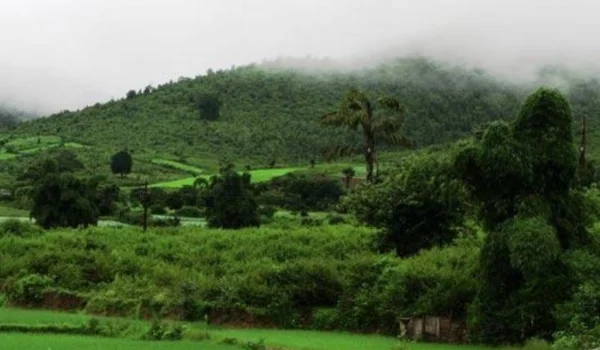
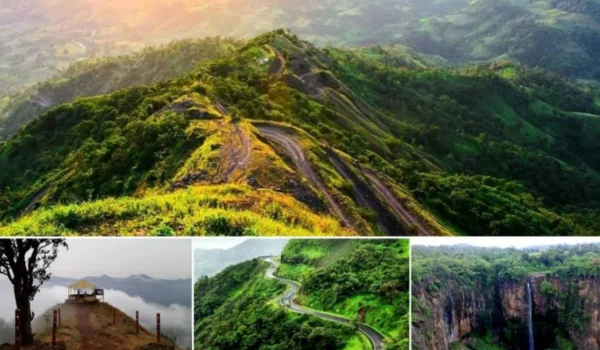
The Nilgiris is a beautiful hill district in Tamil Nadu, famous for its misty mountains, tea plantations, forests, waterfalls, wildlife and pleasant climate. The district forms an important part of the Western Ghats and is one of India’s best-known hill tourism destinations.
Udhagamandalam (Ooty) is the district headquarters and its most famous tourist town. The Nilgiris is also known for Coonoor, Kotagiri, Mudumalai Wildlife Sanctuary, Doddabetta Peak and the Nilgiri Mountain Railway.
Tea cultivation is one of the most important economic activities in the district, while tourism, horticulture, forestry and small businesses also support the local economy.
Quick Information About Nilgiris District
| Particular | Details |
| District | Nilgiris |
| State | Tamil Nadu |
| District Headquarters | Udhagamandalam (Ooty) |
| Formation | 1818 |
| Area | About 2,545 sq. km |
| Population | 7,35,394 (Census 2011) |
| Main Language | Tamil |
| Other Languages | Badaga, Malayalam, Kannada and English |
| Famous For | Ooty, tea gardens, mountains, wildlife and toy train |
| Important Towns | Ooty, Coonoor, Kotagiri, Gudalur and Pandalur |
| Major Economic Activities | Tea, tourism, horticulture, agriculture and forestry |
Important PIN Codes in Nilgiris District
Different towns, villages and post offices in the Nilgiris have separate PIN codes.
| Area / Town | PIN Code |
| Udhagamandalam (Ooty) | 643001 |
| Coonoor | 643101 |
| Kotagiri | 643217 |
| Gudalur | 643212 |
| Pandalur | 643233 |
| Lovedale | 643003 |
| Wellington | 643231 |
| Aruvankadu | 643202 |
| Ketti | 643215 |
| Kundah | 643219 |
Ooty, the district headquarters, uses PIN code 643001. Other towns and villages have different postal codes, so the exact locality should be checked before using a PIN code for delivery or official purposes.
Important Facts About Nilgiris District
Some useful facts about the Nilgiris include:
- The Nilgiris is a hill district in western Tamil Nadu.
- Udhagamandalam (Ooty) is the district headquarters.
- The district is part of the Western Ghats.
- The region is famous for its cool climate and scenic mountain landscape.
- Ooty is one of India’s most popular hill stations.
- Tea cultivation is one of the district’s major economic activities.
- Nilgiri tea is internationally known.
- The Nilgiri Mountain Railway is a UNESCO World Heritage Site.
- Doddabetta Peak is the highest point in the Nilgiris.
- Mudumalai Tiger Reserve is an important wildlife destination.
- The district is home to several indigenous communities.
- Toda, Kota, Kurumba and Irula communities have deep cultural connections with the region.
- Ooty, Coonoor and Kotagiri are major tourism centres.
- Horticulture is important, especially for vegetables and flowers.
- The district has forests, grasslands, tea estates and protected wildlife areas.
Location and Geography of Nilgiris District
The Nilgiris is located in the northwestern part of Tamil Nadu.
The district shares boundaries with:
- Kerala towards the west
- Karnataka towards the north
- Coimbatore district towards the southeast
- Erode district towards the east
The district is part of the Western Ghats, one of India’s most important biodiversity regions.
Its landscape includes:
- High mountains
- Valleys
- Tea estates
- Shola forests
- Grasslands
- Waterfalls
- Rivers
- Wildlife habitats
The elevation varies considerably, with some parts of the district located well above 2,000 metres above sea level.
History of Nilgiris District
The Nilgiris has a long history associated with indigenous communities and the kingdoms of southern India.
Before British rule, communities such as the Todas, Kotas, Kurumbas and Irulas lived in the region and developed distinctive cultural traditions.
British Period
The British developed the Nilgiris as a hill station during the 19th century.
John Sullivan, an official of the Madras Presidency, played an important role in the early development of Ooty as a British hill station.
The pleasant climate attracted British officials and settlers, and Ooty gradually developed into an important summer retreat.
Nilgiri Mountain Railway
The railway connecting the plains with the Nilgiris was developed during the colonial period.
The Nilgiri Mountain Railway was eventually opened for passenger services and became an important part of the region’s tourism identity.
Today, it is part of the Mountain Railways of India UNESCO World Heritage Site.
Population of Nilgiris District
According to the 2011 Census, Nilgiris district had a population of approximately 7.35 lakh.
The population is distributed among hill towns, villages, tea estates and forest areas.
Important urban centres include:
- Ooty
- Coonoor
- Kotagiri
- Gudalur
- Pandalur
The district also has a significant population belonging to indigenous and tribal communities.
Economy of Nilgiris District
The economy of the Nilgiris is strongly influenced by its mountain environment, tea plantations and tourism industry.
Major economic activities include:
- Tea cultivation
- Tea processing
- Tourism
- Horticulture
- Agriculture
- Forestry
- Floriculture
- Retail
- Hospitality
- Transport
Ooty and Coonoor are major centres for hotels, restaurants, travel services and tourism-related businesses.
Tea Industry in Nilgiris
Tea is one of the most important economic products of the district.
Nilgiri tea is valued for its distinctive flavour and aroma.
Tea estates and factories provide employment in:
- Plantation work
- Tea processing
- Packaging
- Transportation
- Trading
Coonoor is also an important centre for the tea trade and auction activities.
Horticulture and Agriculture
The cool climate makes the Nilgiris suitable for several horticultural crops.
Important products include:
- Potato
- Carrot
- Cabbage
- Beans
- Peas
- Cauliflower
- Fruits
- Flowers
Ooty is also known for its flower cultivation and gardens.
Industries and Business in Nilgiris District
Large-scale industrial development is limited by the district’s sensitive mountain environment.
However, several sectors support local businesses:
- Tea
- Tourism
- Hospitality
- Horticulture
- Food processing
- Handicrafts
- Retail
- Transport
- Floriculture
Eco-friendly tourism and value-added tea products offer opportunities for future business development.
Education in Nilgiris District
The Nilgiris has schools, colleges and professional institutions.
Important education centres include:
- Ooty
- Coonoor
- Kotagiri
- Gudalur
The district also has institutions focused on:
- General education
- Teacher training
- Agriculture
- Horticulture
- Forestry
- Hospitality
Students also travel to Coimbatore and other major Tamil Nadu cities for specialised higher education.
District Court in Nilgiris
The Nilgiris has a District and Sessions Court serving the judicial needs of the district.
The district judiciary deals with civil, criminal and other legal matters.
Courts and subordinate judicial facilities are also available in other important towns.
District Hospital and Healthcare
The Nilgiris has government and private healthcare facilities serving residents and tourists.
Healthcare infrastructure includes:
- District-level government hospital
- Government hospitals
- Community Health Centres
- Primary Health Centres
- Private hospitals
- Clinics
- Diagnostic centres
The Government Medical College and Hospital, Udhagamandalam is an important healthcare institution in the district.
For highly specialised treatment, residents may also travel to Coimbatore, which has a larger network of tertiary-care hospitals.
Popular Tourist Attractions in Nilgiris District
The Nilgiris is one of South India’s most popular tourism regions.
- Ooty
Ooty, officially Udhagamandalam, is the district’s most famous tourist destination.
Popular attractions include:
- Ooty Lake
- Government Botanical Garden
- Rose Garden
- Doddabetta Peak
- Tea estates
- Pine forests
- Local markets
The town is particularly popular for its cool climate and mountain scenery.
- Nilgiri Mountain Railway
The Nilgiri Mountain Railway is one of the most famous attractions in the district.
The historic train travels through:
- Mountain valleys
- Forests
- Tea plantations
- Tunnels
- Bridges
It is part of the UNESCO-listed Mountain Railways of India and is one of the most memorable ways to experience the Nilgiris.
- Doddabetta Peak
At approximately 2,637 metres, Doddabetta is the highest peak in the Nilgiris.
The viewpoint provides panoramic views of the surrounding mountains and valleys.
It is located near Ooty and is a popular stop for tourists.
- Government Botanical Garden, Ooty
The Government Botanical Garden is one of Ooty’s most popular attractions.
The garden contains a wide variety of:
- Plants
- Flowers
- Trees
- Ornamental species
The annual flower show attracts large numbers of visitors.
- Coonoor
Coonoor is another major hill station in the district.
It is famous for:
- Tea estates
- Mountain views
- Sim’s Park
- Tea tourism
- Colonial-era surroundings
Coonoor is generally quieter than Ooty and is popular with travellers looking for a relaxed hill-station experience.
- Kotagiri
Kotagiri is one of the oldest hill stations in the Nilgiris.
It is surrounded by:
- Tea plantations
- Green hills
- Forests
- Waterfalls
Popular attractions include Kodನಾಡu View Point and nearby tea estates.
- Mudumalai Tiger Reserve
Mudumalai Tiger Reserve is one of the most important wildlife destinations in Tamil Nadu.
It forms part of the Nilgiri Biosphere Reserve and provides habitat for:
- Tigers
- Elephants
- Leopards
- Gaur
- Deer
- Numerous bird species
The reserve is also part of a larger landscape connecting wildlife habitats across Tamil Nadu, Kerala and Karnataka.
- Avalanche
Avalanche is a scenic area near Ooty known for its forests, lakes and mountain landscapes.
It is popular among travellers interested in nature and peaceful surroundings.
Access to certain areas may be regulated, so visitors should follow local forest and tourism rules.
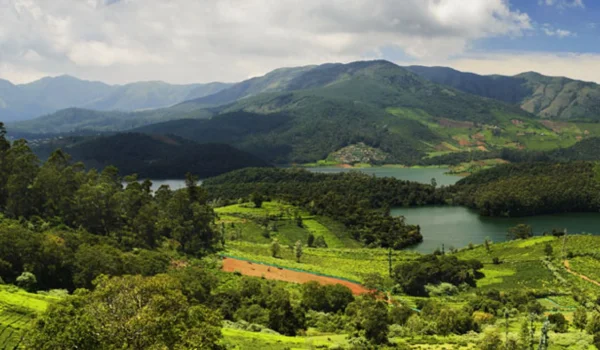
- Emerald Lake
Emerald Lake is located in the scenic upper Nilgiri region.
The surrounding hills, forests and calm waters make it a popular destination for nature lovers and photographers.
Tribal and Cultural Heritage
The Nilgiris has a rich indigenous cultural heritage.
Important communities include:
- Toda
- Kota
- Kurumba
- Irula
The Toda community is particularly known for its distinctive traditional houses, embroidery, pastoral traditions and cultural practices.
Visitors should respect local customs and avoid entering private or restricted community spaces without permission.
Transport and Connectivity
The Nilgiris is connected with Tamil Nadu and neighbouring states through roads and railways.
Road Connectivity
Major roads connect the district with:
- Coimbatore
- Mettupalayam
- Mysuru
- Gudalur
- Wayanad
- Kerala
The mountain roads include several hairpin bends, so travellers should drive carefully.
Railway Connectivity
The Nilgiri Mountain Railway connects Mettupalayam with Udhagamandalam through the scenic mountain route.
The main broad-gauge railway connection for the hills is available at Mettupalayam.
Air Connectivity
The nearest major airport is Coimbatore International Airport.
It provides domestic and international connectivity and is the most convenient airport for many travellers visiting Ooty and other parts of the Nilgiris.
Best Time to Visit Nilgiris District
The Nilgiris can be visited throughout much of the year because of its pleasant hill climate.
However, October to June is generally popular for sightseeing.
Different seasons offer different experiences:
- Winter: Cool weather and misty landscapes
- Spring: Flowers and pleasant temperatures
- Summer: Popular tourist season
- Monsoon: Lush greenery but frequent rain
Travellers should check local weather and road conditions during heavy monsoon periods.
Nearby Cities, Districts and Areas
Important nearby places include:
- Coimbatore
- Mettupalayam
- Mysuru
- Wayanad
- Palakkad
- Gudalur
- Coonoor
- Ooty
- Kotagiri
The Nilgiris is strategically located near the borders of Tamil Nadu, Kerala and Karnataka.
Why Is Nilgiris District Important?
The Nilgiris is important because of its combination of tourism, tea production, biodiversity, horticulture and indigenous cultural heritage.
Its major strengths include:
- Ooty
- Nilgiri Mountain Railway
- Tea plantations
- Doddabetta Peak
- Mudumalai Tiger Reserve
- Western Ghats biodiversity
- Indigenous communities
- Horticulture
- Eco-tourism
The district has strong potential for eco-tourism, tea tourism, horticulture, hospitality and sustainable local businesses.
FAQs About Nilgiris District
- What is Nilgiris district famous for?
The Nilgiris is famous for Ooty, tea plantations, mountains, wildlife, the Nilgiri Mountain Railway and Western Ghats scenery.
- What is the district headquarters of Nilgiris?
Udhagamandalam (Ooty) is the district headquarters.
- What is the PIN code of Ooty?
The main PIN code of Ooty is 643001. Other towns and villages in the Nilgiris have different PIN codes.
- What are the popular tourist places in Nilgiris?
Popular attractions include Ooty, Coonoor, Kotagiri, Doddabetta Peak, Nilgiri Mountain Railway, Mudumalai Tiger Reserve, Botanical Garden and Avalanche.
- Which is the highest peak in Nilgiris?
Doddabetta Peak, at approximately 2,637 metres, is the highest peak in the Nilgiris.
- Does Nilgiris have a district court and district hospital?
Yes. The Nilgiris has a District and Sessions Court and government healthcare facilities, including major government hospitals in Udhagamandalam, along with community health centres, primary health centres and private hospitals.
Conclusion
Nilgiris District is one of India’s most famous hill regions, combining mountain scenery, tea plantations, wildlife, tourism and unique indigenous cultures. Ooty gives the district international recognition, while Coonoor, Kotagiri and Gudalur add to its diverse landscape and economy.
From the scenic Nilgiri Mountain Railway and Doddabetta Peak to the wildlife of Mudumalai Tiger Reserve and the tea estates spread across the hills, the district offers a wide range of experiences.
Its strong tourism industry, internationally recognised tea, rich biodiversity and strategic location near Tamil Nadu, Kerala and Karnataka make the Nilgiris an important cultural, ecological and economic region of South India.