Morigaon is a district in Assam, known for its wetlands, rivers, agriculture, religious sites and close connection with the natural landscapes of central Assam. The district is located in the Brahmaputra Valley and has a largely rural character.
Morigaon town is the district headquarters. The district is particularly known for Mayong, which has a strong association with traditional folklore and cultural practices, and Pobitora Wildlife Sanctuary, famous for its population of the Indian one-horned rhinoceros.
Morigaon also has an important agricultural economy, with paddy cultivation, fisheries and livestock supporting many local households.
Quick Information About Morigaon District
| Particular | Details |
| District | Morigaon |
| State | Assam |
| District Headquarters | Morigaon |
| Formation | 1989 |
| Area | About 1,704 sq. km |
| Population | 9,57,423 (Census 2011) |
| Main Language | Assamese |
| Major River | Brahmaputra |
| Famous For | Pobitora Wildlife Sanctuary, Mayong, agriculture and wetlands |
| Important Towns | Morigaon, Jagiroad, Mayong, Dharamtul and Laharighat |
| Major Economic Activities | Agriculture, fisheries, livestock, trade and small businesses |
Important PIN Codes in Morigaon District
Different towns, villages and post offices in Morigaon district have separate PIN codes.
| Area / Town | PIN Code |
| Morigaon | 782105 |
| Jagiroad | 782410 |
| Mayong | 782411 |
| Laharighat | 782127 |
| Dharamtul | 782412 |
| Bhurbandha | 782104 |
| Baribandha | 782105 |
| Kapili | 782106 |
| Moirabari | 782126 |
| Doloigaon | 782127 |
Morigaon town, the district headquarters, uses PIN code 782105. Individual villages and post offices may have different PIN codes, so the exact locality should be checked before using a PIN code for postal purposes.
Important Facts About Morigaon District
Some useful facts about Morigaon include:
- Morigaon is located in central Assam.
- Morigaon town is the district headquarters.
- The district was formed in 1989.
- Morigaon lies in the Brahmaputra Valley.
- Agriculture is an important source of livelihood.
- Paddy is one of the major crops.
- Fisheries and livestock also support the rural economy.
- Pobitora Wildlife Sanctuary is one of the district’s best-known attractions.
- Pobitora is famous for its Indian one-horned rhinoceroses.
- Mayong is known for its folklore and traditional cultural heritage.
- Jagiroad is an important commercial and industrial centre.
- The district contains wetlands, rivers and agricultural plains.
- Assamese is the main language spoken in the district.
- Morigaon has road and railway connectivity with Guwahati and other parts of Assam.
- The district is located relatively close to Guwahati, making it part of the wider Guwahati regional economy.
Location and Geography of Morigaon
Morigaon is situated in central Assam, on the southern side of the Brahmaputra River.
The district is surrounded by:
- Kamrup Metropolitan towards the west
- Nagaon towards the east
- Karbi Anglong towards the south
- Darrang and Sonitpur region across the Brahmaputra towards the north
The geography of Morigaon includes:
- River plains
- Wetlands
- Agricultural land
- Grasslands
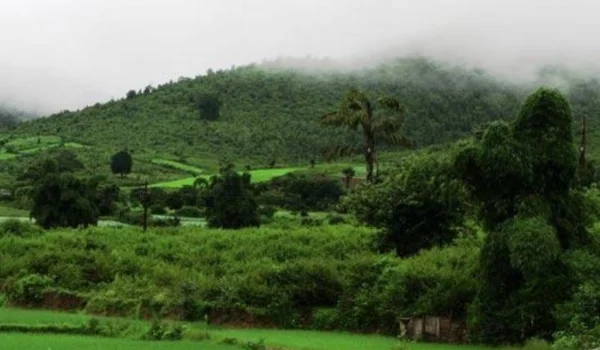
- Forest areas
- Rural settlements
The district’s proximity to the Brahmaputra and its wetlands makes it ecologically important.
History of Morigaon District
The Morigaon region has historically been part of the wider cultural and political landscape of Assam.
Different parts of the region were influenced by various Assamese kingdoms and local communities over the centuries.
Formation of Morigaon District
Morigaon was earlier part of the Nagaon district.
It became a separate district in 1989 as part of the administrative reorganisation of Assam.
The creation of the district helped bring government administration and public services closer to the people of the region.
Mayong’s Cultural History
The area around Mayong has a particularly distinctive cultural identity.
Mayong is widely associated with traditional beliefs, folklore and stories surrounding magic and indigenous practices. These traditions have become an important part of the area’s cultural tourism.
Population of Morigaon District
According to the 2011 Census, Morigaon district had a population of approximately 9.57 lakh.
A large majority of the population lives in rural areas.
Important population and commercial centres include:
- Morigaon
- Jagiroad
- Mayong
- Moirabari
- Laharighat
Agriculture, fisheries, livestock, trade and small businesses provide livelihoods to many residents.
Economy of Morigaon District
Morigaon’s economy is largely based on agriculture and rural activities.
Major economic sectors include:
- Agriculture
- Fisheries
- Livestock
- Food processing
- Handloom
- Small businesses
- Retail
- Transport
- Tourism
The district’s location near Guwahati also provides opportunities for trade and transportation.
Agriculture in Morigaon
Agriculture is one of the most important occupations in the district.
Major crops include:
- Paddy
- Mustard
- Pulses
- Vegetables
- Jute
- Seasonal crops
The fertile plains and water resources support agricultural production.
Farmers also engage in livestock rearing and dairy-related activities.
Fisheries and Livestock
Morigaon has numerous ponds, wetlands and water bodies, making fisheries an important rural activity.
Fish farming supports:
- Farmers
- Local markets
- Traders
- Transport businesses
- Food-related businesses
Livestock and poultry farming also contribute to household income in rural areas.
Industries and Business in Morigaon
The district has a mix of small-scale and medium-sized economic activities.
Major business sectors include:
- Agriculture-related businesses
- Food processing
- Fisheries
- Handloom
- Retail
- Transport
- Construction
- Small manufacturing
- Tourism
Jagiroad
Jagiroad is one of the most commercially important areas of the district.
Its location on important road and railway routes has supported the development of trade and industry.
The wider Jagiroad area has also been associated with industrial development and paper-related activities.
Education in Morigaon
Morigaon has schools, colleges and other educational institutions serving the district’s population.
Important education centres include:
- Morigaon
- Jagiroad
- Mayong
- Moirabari
Students seeking specialised higher education can also travel to Guwahati and Nagaon.
District Court in Morigaon
Morigaon has a District and Sessions Court serving the judicial needs of the district.
The district judiciary handles civil, criminal and other legal matters.
Subordinate courts are also available in different parts of the district.
District Hospital and Healthcare
Morigaon has government and private healthcare facilities serving urban and rural residents.
These include:
- District-level government hospital
- Community Health Centres
- Primary Health Centres
- Private hospitals
- Clinics
- Diagnostic centres
The Civil Hospital, Morigaon is an important government healthcare facility for residents of the district.
For highly specialised treatment, residents may also travel to Guwahati and other larger medical centres in Assam.
Popular Tourist Attractions in Morigaon District
Morigaon has attractions related to wildlife, culture, wetlands and religion.
- Pobitora Wildlife Sanctuary
Pobitora Wildlife Sanctuary is the district’s most famous tourist attraction.
It is particularly known for its high density of the Indian one-horned rhinoceros.
The sanctuary also provides habitat for:
- Wild buffalo
- Wild boar
- Various birds
- Other wildlife
Its proximity to Guwahati makes Pobitora a popular wildlife destination for both domestic and international visitors.
- Mayong
Mayong is one of the most distinctive cultural destinations in Assam.
It is famous for folklore and stories associated with traditional magic and indigenous practices.
The area has attracted interest from visitors who want to learn about Assam’s folk traditions and cultural history.
- Mayong Central Museum and Emporium
The Mayong Central Museum and Emporium showcases aspects of the area’s cultural heritage, traditional practices and historical objects.
It provides visitors with an opportunity to learn more about the traditions associated with Mayong.
- Kachari Mayong
The Mayong region also contains archaeological and cultural remains associated with earlier communities.
The wider area is of interest to visitors exploring Assam’s local history and indigenous traditions.
- Sitajakhala
Sitajakhala is a religious and natural attraction in the district.
It is associated with local Hindu traditions and attracts devotees as well as visitors exploring the rural landscape of Morigaon.
- Pobitora’s Wetlands and Birdlife
Apart from rhinoceros, Pobitora and surrounding wetlands are important for birdwatching.
The area’s wetlands and grasslands provide habitat for several resident and migratory bird species.
Religious and Cultural Heritage
Morigaon has a diverse cultural landscape influenced by Assamese traditions and local communities.
Important religious and cultural locations include:
- Mayong
- Sitajakhala
- Local temples
- Namghars
- Traditional Assamese villages
Major festivals include:
- Bihu
- Durga Puja
- Diwali
- Janmashtami
- Magh Bihu
- Bohag Bihu
Bihu is particularly important in the cultural life of the district.
Transport and Connectivity
Morigaon has road and railway connectivity with important parts of Assam.
Road Connectivity
Roads connect the district with:
- Guwahati
- Nagaon
- Jagiroad
- Sonapur
- Other parts of central Assam
The district’s proximity to Guwahati makes it relatively accessible for travellers.
Railway Connectivity
Jagiroad railway station is an important railway station serving the district.
It provides connectivity towards:
- Guwahati
- Lumding
- Nagaon
- Other destinations in Assam and the Northeast
Air Connectivity
The nearest major airport is Lokpriya Gopinath Bordoloi International Airport in Guwahati.
It is the most convenient airport for travellers coming to Morigaon from other parts of India.
Best Time to Visit Morigaon
The best time to visit Morigaon is generally October to April.
The winter and early spring months are suitable for:
- Wildlife tourism
- Birdwatching
- Exploring Mayong
- Temple visits
- Rural sightseeing
For wildlife visits, travellers should check the current sanctuary timings, safari availability and local weather conditions before planning their trip.
Nearby Cities, Districts and Areas
Important nearby places include:
- Guwahati
- Nagaon
- Jagiroad
- Sonapur
- Hojai
- Darrang
- Mayong
Morigaon’s location makes it a convenient destination for travellers exploring central Assam and the Guwahati region.
Why Is Morigaon District Important?
Morigaon is important because of its combination of wildlife, wetlands, agriculture, cultural heritage and proximity to Guwahati.
Its major strengths include:
- Pobitora Wildlife Sanctuary
- One-horned rhinoceros
- Mayong’s cultural heritage
- Agriculture
- Fisheries
- Wetlands
- Rural tourism
- Road and railway connectivity
The district also has opportunities for development in eco-tourism, agro-processing, fisheries, handicrafts and rural businesses.
FAQs About Morigaon District
- What is Morigaon district famous for?
Morigaon is mainly famous for Pobitora Wildlife Sanctuary, one-horned rhinoceroses, Mayong’s cultural heritage, agriculture and wetlands.
- What is the district headquarters of Morigaon?
Morigaon town is the district headquarters.
- What is the PIN code of Morigaon?
The main PIN code of Morigaon town is 782105. Other towns and villages have different PIN codes.
- When was Morigaon district formed?
Morigaon became a separate district in 1989, after being separated from the former Nagaon district.
- What are the popular tourist places in Morigaon?
Popular attractions include Pobitora Wildlife Sanctuary, Mayong, Mayong Central Museum and Emporium and Sitajakhala.
- Does Morigaon have a district court and district hospital?
Yes. Morigaon has a District and Sessions Court and government healthcare facilities, including the Civil Hospital, Morigaon, along with community health centres, primary health centres and private medical facilities.
Conclusion
Morigaon District is a distinctive destination in Assam, combining wildlife, wetlands, agriculture and cultural heritage. The district’s biggest attraction is Pobitora Wildlife Sanctuary, while Mayong gives it a unique cultural identity associated with traditional folklore and indigenous practices.
Agriculture, fisheries and livestock remain important to the local economy, while Jagiroad provides an important commercial and industrial centre. Its proximity to Guwahati further strengthens the district’s connectivity and economic potential.
With its wildlife resources, cultural traditions and rural landscape, Morigaon has strong potential for eco-tourism, cultural tourism, agriculture, fisheries and small-scale businesses.