Deogarh, also spelled Debagarh, is a scenic district in Odisha, located in the northwestern part of the state. The district is known for its forests, waterfalls, hills, temples, rivers and tribal-influenced cultural heritage. It is also one of Odisha’s smaller districts by population.
Deogarh town is the district headquarters. The district was created in 1994 after being separated from Sambalpur district. Agriculture, forestry and small-scale economic activities are important to the local economy, while places such as Pradhanpat Waterfall and Gohira Dam attract visitors interested in nature and rural tourism.
Quick Information About Deogarh District
| Particular | Details |
| District | Deogarh (Debagarh) |
| State | Odisha |
| District Headquarters | Deogarh |
| Formation | 1994 |
| Area | About 2,940 sq. km |
| Population | 3,12,520 (Census 2011) |
| Literacy Rate | About 73.07% |
| Main Language | Odia |
| Region | Western Odisha |
| Major Rivers | Brahmani and its tributaries |
| Famous For | Pradhanpat Waterfall, forests, hills and temples |
| Important Town | Deogarh |
Important PIN Codes in Deogarh District
Different towns, villages and post offices in Deogarh district have separate PIN codes.
| Area / Town | PIN Code |
| Deogarh | 768108 |
| Barkote | 768110 |
| Reamal | 768109 |
| Tileibani | 768107 |
| Kundheigola | 768108 |
| Kalla | 768108 |
Deogarh town, the district headquarters, uses PIN code 768108. Individual villages and post offices may have different PIN codes, so the exact locality should be checked for postal purposes.
Important Facts About Deogarh District
Some useful facts about Deogarh include:
- Deogarh is located in western Odisha.
- The district was created in 1994 after being separated from Sambalpur district.
- Deogarh town is the district headquarters.
- It is also commonly called Debagarh.
- The district has extensive forest and hilly areas.
- Agriculture is an important source of livelihood.
- Pradhanpat Waterfall is one of its best-known tourist attractions.
- The district is part of the Brahmani River basin.
- Forest resources are important to the local economy and environment.
- Odia is the main language spoken in the district.
- The district has a predominantly rural population.
- Deogarh has several temples and religious sites.
- Gohira Dam is an important water and scenic attraction.
- The district’s landscape is suitable for nature and eco-tourism.
- Deogarh is connected by road with Sambalpur, Angul and other parts of Odisha.
Location and Geography of Deogarh
Deogarh is situated in the northwestern part of Odisha.
The district shares boundaries with:
- Sambalpur to the west
- Angul towards the east
- Sundargarh towards the north
- Bargarh towards the southwest
The geography is characterised by:
- Forests
- Hills
- Valleys
- Agricultural plains
- Water bodies
- Rivers and streams
The Brahmani River system plays an important role in the region.
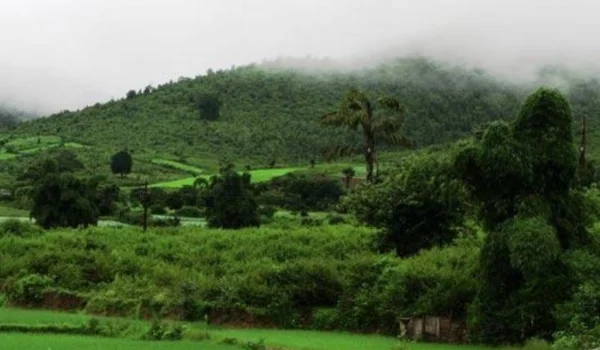
The relatively green landscape and numerous streams and waterfalls give Deogarh a distinctive natural character.
History of Deogarh District
Deogarh has a long association with the historical region of western Odisha.
The area was historically connected with the Bamra princely state, which existed in this part of Odisha before independence.
The region was influenced by various local rulers and administrative systems over different periods.
Formation of Deogarh District
Deogarh became a separate district on 1 January 1994, when it was carved out of the former Sambalpur district.
The creation of the district helped bring administrative services closer to the population of this relatively remote and forested region.
Population of Deogarh District
According to the 2011 Census, Deogarh district had a population of approximately 3.13 lakh.
It is predominantly rural, with most people living in villages.
Agriculture, forestry-related activities, livestock and small businesses are important sources of livelihood.
Economy of Deogarh District
Deogarh has an economy largely based on agriculture and natural resources.
Major economic activities include:
- Agriculture
- Forestry
- Livestock
- Agricultural trade
- Small businesses
- Construction
- Transport
- Local handicrafts
The district’s natural resources also provide opportunities for forest-based livelihoods and tourism.
Agriculture in Deogarh
Agriculture is an important part of the local economy.
Major crops include:
- Paddy
- Maize
- Pulses
- Groundnut
- Vegetables
- Oilseeds
Much of the farming activity depends on seasonal rainfall, irrigation facilities and local water bodies.
Livestock rearing is also common in rural areas.
Industries and Business in Deogarh
Deogarh does not have a major large-scale industrial base.
Most businesses are small or medium-sized and are linked to local demand and natural resources.
Common activities include:
- Agricultural trading
- Rice-related businesses
- Food processing
- Timber and forest-related activities
- Transport
- Construction
- Retail
- Tourism services
There is potential for development in agro-processing, eco-tourism, food products and rural businesses.
Education in Deogarh
Deogarh has schools, colleges and educational institutions serving the district.
Educational facilities are mainly concentrated around Deogarh town and block headquarters.
Students seeking specialised professional and higher education may travel to Sambalpur, Rourkela, Angul or other larger cities.
District Court in Deogarh
Deogarh has a District and Sessions Court serving the judicial needs of the district.
The district judiciary handles civil, criminal and other legal matters.
Subordinate courts and legal services are available for residents across the district.
District Hospital and Healthcare
Deogarh has government healthcare facilities serving the local population.
Important facilities include:
- District Headquarters Hospital
- Community Health Centres
- Primary Health Centres
- Government health centres
- Private clinics
- Diagnostic facilities
The District Headquarters Hospital, Deogarh is an important government healthcare facility.
For highly specialised medical treatment, residents may travel to Sambalpur, Rourkela or other major medical centres.
Popular Tourist Attractions in Deogarh District
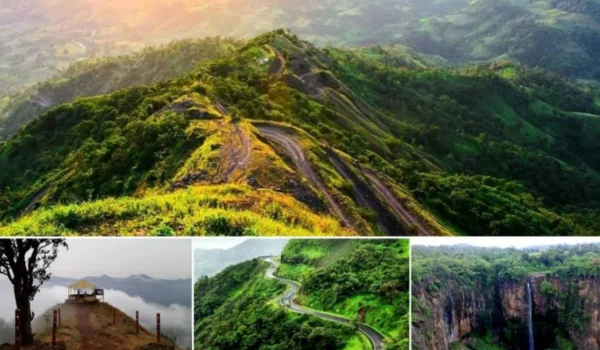
Deogarh is especially attractive for visitors interested in waterfalls, forests, temples and peaceful natural surroundings.
- Pradhanpat Waterfall
Pradhanpat Waterfall is one of the most popular tourist attractions in Deogarh.
The waterfall is located near Deogarh town and is surrounded by green hills and forest.
It is particularly attractive during and after the monsoon season.
Visitors come here for:
- Nature sightseeing
- Photography
- Picnics
- Short hikes
- Waterfall views
- Pradhanpat Hill
The hills around Pradhanpat provide scenic views of the surrounding landscape.
The area combines natural beauty with religious significance.
- Gohira Dam
Gohira Dam is an important water resource and scenic destination in the district.
The reservoir and surrounding greenery make it a popular local outing destination.
The area is especially pleasant during the cooler and post-monsoon months.
- Jagannath Temple, Deogarh
The Jagannath Temple in Deogarh is an important religious attraction.
It reflects the strong influence of Lord Jagannath worship across Odisha.
- Local Shiva Temples
Several Shiva temples and other religious sites can be found across Deogarh district.
These temples become particularly active during festivals such as Mahashivratri.
- Forest and Hill Areas
The forested and hilly areas around Deogarh offer opportunities for:
- Nature tourism
- Photography
- Birdwatching
- Rural tourism
- Eco-tourism
Visitors should follow local forest and tourism regulations when entering protected or forest areas.
Religious and Cultural Heritage
Religious traditions are an important part of life in Deogarh.
Local festivals include:
- Rath Yatra
- Mahashivratri
- Nuakhai
- Durga Puja
- Other regional festivals
The district’s culture reflects the traditions of western Odisha, with strong links to agriculture, village life and local religious practices.
Transport and Connectivity
Deogarh is primarily connected by road.
Road Connectivity
Roads connect Deogarh with:
- Sambalpur
- Angul
- Jharsuguda
- Sundargarh
- Bargarh
- Rourkela
- Other parts of Odisha
Buses, taxis and private vehicles are commonly used for travelling within the district.
Railway Connectivity
Deogarh does not have a major railway station in the district headquarters.
For railway travel, residents commonly use stations in nearby districts, particularly around Sambalpur.
Air Connectivity
The nearest practical airport options include:
- Veer Surendra Sai Airport, Jharsuguda
- Biju Patnaik International Airport, Bhubaneswar
Jharsuguda is generally the more practical option for travellers coming from western Odisha.
Best Time to Visit Deogarh
The best time to visit Deogarh is generally October to February.
This period offers comfortable weather for:
- Waterfall visits
- Temple tourism
- Nature sightseeing
- Rural exploration
- Outdoor activities
For Pradhanpat Waterfall, the monsoon and post-monsoon period can provide stronger water flow and greener surroundings. Visitors should exercise caution around waterfalls during heavy rainfall.
Nearby Cities, Districts and Areas
Important nearby places include:
- Sambalpur
- Jharsuguda
- Angul
- Sundargarh
- Bargarh
- Rourkela
- Talcher
Deogarh’s location makes it a useful link between several important parts of western and northern Odisha.
Why Is Deogarh District Important?
Deogarh is important because of its combination of natural resources, agriculture, forests, historical heritage and tourism potential.
Its major strengths include:
- Pradhanpat Waterfall
- Gohira Dam
- Forest and hill landscapes
- Agricultural economy
- Religious heritage
- Road connectivity
- Eco-tourism potential
- Rural tourism opportunities
The district has considerable potential for nature tourism, agro-processing, local food products and sustainable rural businesses.
FAQs About Deogarh District
- What is Deogarh district famous for?
Deogarh is famous for Pradhanpat Waterfall, forests, hills, temples, Gohira Dam and its natural beauty.
- What is the district headquarters of Deogarh?
Deogarh town is the district headquarters.
- What is the PIN code of Deogarh?
The main PIN code of Deogarh town is 768108. Other areas have separate PIN codes.
- When was Deogarh district formed?
Deogarh became a separate district on 1 January 1994, after being separated from Sambalpur district.
- What are the popular tourist places in Deogarh?
Popular attractions include Pradhanpat Waterfall, Pradhanpat Hill, Gohira Dam, Jagannath Temple and local forest areas.
- Does Deogarh have a district court and district hospital?
Yes. Deogarh has a District and Sessions Court and a District Headquarters Hospital, along with community health centres, primary health centres and private healthcare facilities.
Conclusion
Deogarh District is a beautiful part of western Odisha, known for its forests, hills, waterfalls, temples and agricultural landscape. Unlike Odisha’s larger urban districts, Deogarh offers a quieter destination with strong potential for nature, religious and rural tourism.
The combination of Pradhanpat Waterfall, Gohira Dam, temples and forest landscapes makes the district attractive to travellers looking for less crowded destinations. At the same time, agriculture and forest-based activities remain central to the local economy.
With better connectivity and responsible development of eco-tourism, agro-processing and rural businesses, Deogarh can continue to strengthen its position as an important district of Odisha.