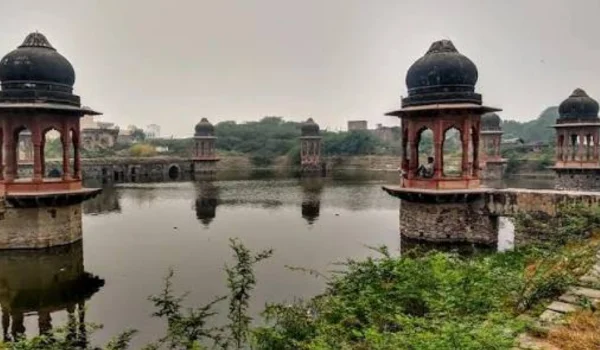
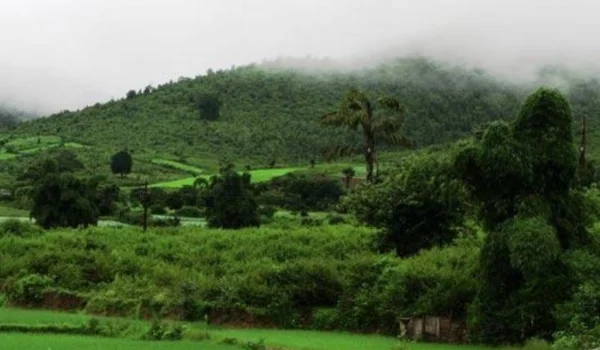
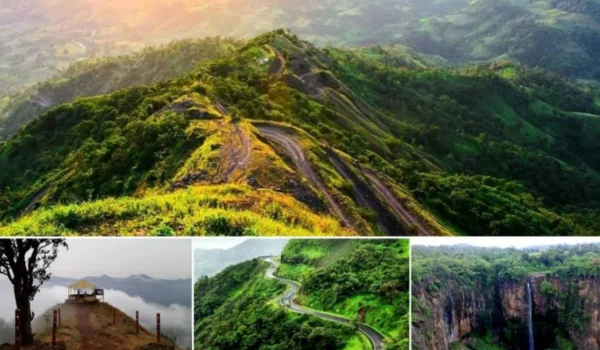
Gumla is a beautiful district in Jharkhand, known for its forests, hills, waterfalls, tribal culture and ancient religious heritage. Located in the southwestern part of the state, the district has a predominantly rural character and shares strong cultural connections with several tribal communities.
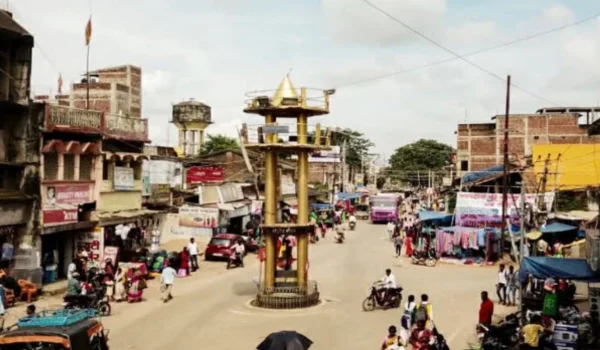
Gumla is the district headquarters. The district is particularly known for Palkot Wildlife Sanctuary, Anjan Dham, Tanginath Dham, Nagpheni, waterfalls and its forested landscape. Agriculture, forest produce, mining and small businesses are important parts of the local economy.
Quick Information About Gumla District
| Particular | Details |
| District | Gumla |
| State | Jharkhand |
| District Headquarters | Gumla |
| Formation | 1983 |
| Area | About 5,327 sq. km |
| Population | 10,25,213 (Census 2011) |
| Literacy Rate | About 66.92% |
| Main Languages | Hindi, Nagpuri, Sadri and tribal languages |
| Major Occupations | Agriculture, forestry and small businesses |
| Famous For | Tribal culture, forests, waterfalls and religious sites |
| Important Towns | Gumla, Sisai, Chainpur, Ghaghra and Palkot |
Important PIN Codes in Gumla District
Different towns, villages and post offices in Gumla district have different PIN codes.
| Area / Town | PIN Code |
| Gumla | 835207 |
| Sisai | 835324 |
| Chainpur | 835204 |
| Ghaghra | 835216 |
| Palkot | 835208 |
| Basia | 835229 |
| Bharno | 835203 |
| Raidih | 835325 |
| Kamdara | 835227 |
| Kolebira | 835211 |
Gumla town, the district headquarters, uses PIN code 835207. Individual villages and post offices may have different PIN codes, so the exact locality should be verified before using a postal address.
Important Facts About Gumla District
Here are some useful facts about Gumla:
- Gumla is located in southwestern Jharkhand.
- The district was created in 1983 after being separated from Ranchi district.
- Gumla town is the district headquarters.
- The district has extensive forest and hilly areas.
- A large part of the population belongs to tribal communities.
- Agriculture is the main livelihood for many rural households.
- Palkot Wildlife Sanctuary is one of the district’s important natural attractions.
- Anjan Dham is associated with traditions related to Lord Hanuman.
- Tanginath Dham is an important religious and archaeological site.
- Nagpheni is known for its scenic landscape and religious significance.
- Gumla has several waterfalls and forest destinations.
- The district is known for its rich tribal traditions and local festivals.
- Rice, pulses and other crops are cultivated in the district.
- Forest produce provides an additional source of livelihood.
- Gumla is connected by road with Ranchi and other important towns of Jharkhand.
Location and Geography of Gumla
Gumla is located in the southwestern part of Jharkhand.
The district shares boundaries with:
- Simdega to the south
- Ranchi to the east
- Lohardaga to the northeast
- Latehar to the north
- Chhattisgarh to the west
The landscape consists of:
- Forests
- Hills
- Plateaus
- Valleys
- Agricultural fields
- Seasonal streams
- Waterfalls
The district forms part of the Chota Nagpur Plateau, giving it a distinctive landscape compared with the plains of northern India.
History of Gumla District
Gumla has a long history connected with the tribal communities and regional kingdoms of the Chota Nagpur Plateau.
The area was historically influenced by local tribal chiefs and the broader Nagvanshi political tradition of the region.
Ancient and Religious Heritage
Several places in Gumla have archaeological and religious importance.
Tanginath Dham is one of the best-known examples. The site contains ancient religious remains and is associated with Lord Shiva.
Anjan Dham, near Anjan village, is traditionally associated with Anjana, the mother of Lord Hanuman.
Formation of the District
Gumla was made a separate district in 1983, after being carved out of the former Ranchi district.
The creation of the district helped bring administration and government services closer to the largely rural and tribal population.
Population of Gumla District
According to the 2011 Census, Gumla district had a population of approximately 10.25 lakh.
The district has a predominantly rural population and a significant tribal population.
Major communities include tribal groups such as:
- Oraon
- Munda
- Kharia
The cultural identity of these communities is reflected in the district’s festivals, music, dance, food and traditional practices.
Economy of Gumla
The economy of Gumla is largely rural.
Major economic activities include:
- Agriculture
- Forestry
- Forest produce
- Livestock
- Small businesses
- Mining
- Handicrafts
- Local trade
Agriculture continues to be the main source of livelihood for a large section of the population.
Agriculture in Gumla
Agriculture is an important part of the district’s economy.
Major crops include:
- Paddy
- Maize
- Wheat
- Pulses
- Oilseeds
- Vegetables
- Millets
Farmers often depend on monsoon rainfall, ponds, small irrigation systems and other local water resources.
Livestock rearing and poultry also provide additional income for rural households.
Forests and Tribal Economy
Forests are an important natural resource in Gumla.
Forest communities collect various types of minor forest produce, which can provide additional income.
These may include:
- Mahua
- Tendu leaves
- Tamarind
- Lac
- Honey
- Medicinal plants
The forest environment also supports wildlife and contributes to the district’s tourism potential.
Industries and Business in Gumla
Gumla is not a major large-scale industrial centre, but several small and medium economic activities operate in the district.
Business opportunities include:
- Agro-processing
- Rice mills
- Forest-produce processing
- Dairy
- Poultry
- Retail
- Transport
- Construction
- Small manufacturing
The district’s agricultural and forest resources provide opportunities for businesses connected with food processing and rural supply chains.
Education in Gumla
Gumla has schools, colleges and other educational institutions serving the district.
Important educational centres include:
- Gumla
- Sisai
- Chainpur
- Palkot
- Ghaghra
Students seeking specialised professional education often travel to Ranchi or other major cities in Jharkhand.
District Court in Gumla
Gumla has a District and Sessions Court serving the legal requirements of the district.
The district judiciary handles civil, criminal and other legal matters.
Subordinate courts and related legal services are also available in different parts of the district.
District Hospital and Healthcare
The district has government healthcare facilities serving urban, rural and tribal populations.
Important healthcare infrastructure includes:
- District Hospital
- Community Health Centres
- Primary Health Centres
- Government hospitals
- Private clinics
- Diagnostic centres
The Sadar Hospital, Gumla is an important government healthcare facility for the district.
For highly specialised treatment, residents may also travel to Ranchi, which has larger medical institutions and specialist hospitals.
Popular Tourist Attractions in Gumla District
Gumla has strong potential for nature, religious and tribal tourism.
- Anjan Dham
Anjan Dham is one of the most important religious destinations in Gumla.
According to local religious tradition, the area is associated with Anjana, the mother of Lord Hanuman.
The site attracts devotees and visitors interested in the religious heritage of the region.
- Tanginath Dham
Tanginath Dham is a significant religious and archaeological site.
It is associated with Lord Shiva and contains ancient stone structures and religious remains.
The site is particularly interesting for visitors who enjoy combining religious tourism with history and archaeology.
- Palkot Wildlife Sanctuary
Palkot Wildlife Sanctuary is one of Gumla’s important natural attractions.
The sanctuary has forests, hills and wildlife and provides an opportunity to experience the natural environment of the Chota Nagpur Plateau.
It is also an important area for biodiversity conservation.
- Nagpheni
Nagpheni is known for its scenic surroundings and religious importance.
The area has rocky landscapes and natural beauty, making it a popular local destination.
- Waterfalls of Gumla
The district has several seasonal waterfalls and streams.
These natural attractions become particularly scenic during and after the monsoon.
Visitors should take local weather and road conditions into account when visiting remote waterfall locations.
- Palkot
Palkot is an important historical and natural area of the district.
Its forests, hills and religious sites make it a useful base for exploring the surrounding region.
Tribal Culture of Gumla
Tribal culture is one of the strongest features of Gumla.
Traditional festivals, music and dance remain important parts of community life.
Festivals and cultural events often involve:
- Traditional music
- Dance
- Local food
- Community gatherings
- Agricultural traditions
The district is therefore an interesting destination for travellers who want to understand the cultural diversity of Jharkhand.
Transport and Connectivity
Gumla is primarily connected by road.
Road Connectivity
Roads connect Gumla with:
- Ranchi
- Simdega
- Lohardaga
- Latehar
- Jashpur
- Chhattisgarh
- Other parts of Jharkhand
Buses, taxis and private vehicles are commonly used for regional travel.
Railway Connectivity
Gumla town does not have a major railway station.
For train travel, passengers generally use railway stations in nearby areas, depending on their destination.
Ranchi is one of the major railway hubs used by travellers from Gumla.
Air Connectivity
The nearest major airport is Birsa Munda Airport in Ranchi.
Ranchi Airport provides domestic air connectivity to several major Indian cities.
Best Time to Visit Gumla
The best time to visit Gumla is generally October to February.
These months offer more comfortable weather for:
- Temple visits
- Wildlife areas
- Waterfall trips
- Forest sightseeing
- Exploring tribal destinations
The monsoon season can make the forests and waterfalls more attractive, but heavy rainfall may affect travel to remote areas.
Nearby Cities, Districts and Areas
Important nearby places include:
- Ranchi
- Simdega
- Lohardaga
- Latehar
- Jashpur
- Chhattisgarh
- Gumla town
- Palkot
- Sisai
- Chainpur
Ranchi is the nearest major urban centre and provides access to better-connected transport, education and healthcare facilities.
Why Is Gumla District Important?
Gumla is important because of its tribal culture, forests, agriculture, religious heritage and natural landscapes.
Its major strengths include:
- Palkot Wildlife Sanctuary
- Anjan Dham
- Tanginath Dham
- Nagpheni
- Tribal traditions
- Forest resources
- Agriculture
- Scenic hills and waterfalls
The district also has potential for eco-tourism, tribal tourism, agro-processing and forest-based businesses.
FAQs About Gumla District
- What is Gumla district famous for?
Gumla is famous for tribal culture, forests, Palkot Wildlife Sanctuary, Anjan Dham, Tanginath Dham, waterfalls and scenic landscapes.
- What is the district headquarters of Gumla?
Gumla town is the district headquarters.
- What is the PIN code of Gumla?
The main PIN code of Gumla town is 835207. Other towns and villages have different PIN codes.
- When was Gumla district formed?
Gumla became a separate district in 1983, after being separated from the former Ranchi district.
- What are the popular tourist places in Gumla?
Popular attractions include Anjan Dham, Tanginath Dham, Palkot Wildlife Sanctuary, Nagpheni and various waterfalls and forest areas.
- Does Gumla have a district court and district hospital?
Yes. Gumla has a District and Sessions Court and government healthcare facilities, including Sadar Hospital, Gumla, along with community and primary health centres.
Conclusion
Gumla District is one of the culturally and naturally rich districts of Jharkhand. Its combination of tribal heritage, forests, hills, waterfalls, agriculture and ancient religious sites gives it a distinctive identity.
Places such as Anjan Dham, Tanginath Dham, Palkot Wildlife Sanctuary and Nagpheni make Gumla particularly interesting for visitors looking for religious, cultural and nature-based experiences.
With its proximity to Ranchi and Chhattisgarh, along with opportunities in agriculture, forest-based activities and eco-tourism, Gumla continues to hold an important place in the development and cultural landscape of Jharkhand.