Malappuram is a prominent district in northern Kerala, located between the Nilgiri Hills and the Arabian Sea. The district is known for its green hills, rivers, beaches, religious centres, cultural traditions and important role in the history of Malabar.
Malappuram is also associated with Mappila heritage, the Khilafat Movement and the Malabar Rebellion. Places such as Nilambur, Thirunavaya, Kottakkunnu, Kadalundi, Kottakkal and Thunchan Parambu make the district important for history, culture, nature and tourism.
Quick Information About Malappuram District
| Particular | Details |
| District | Malappuram |
| State | Kerala |
| District Headquarters | Malappuram |
| Formation | 16 June 1969 |
| Area | 3,550 sq. km |
| Population | 4,112,920 (Census 2011) |
| Literacy Rate | 93.6% |
| Sub-Divisions | 2 |
| Main Language | Malayalam |
| Major Rivers | Chaliyar, Bharathapuzha, Kadalundipuzha |
| Famous For | Malabar history, Nilambur teak, Kottakkal Ayurveda, beaches and cultural heritage |
| Important Towns | Malappuram, Manjeri, Tirur, Nilambur, Perinthalmanna, Ponnani, Kottakkal |
Malappuram has 7 taluks, 138 villages, 15 blocks, 94 panchayats and 12 municipalities. Its large population, educational centres, commercial towns and diverse landscape make it one of Kerala’s important districts.
Important PIN Codes in Malappuram District
PIN codes are useful for identifying particular post-office areas and are important for letters, parcels, official documents and other postal services.
| Area / Town | PIN Code |
| Malappuram H.O. | 676505 |
| Manjeri | 676121 |
| Tirur | 676101 |
| Kottakkal | 676503 |
| Nilambur | 679329 |
| Perinthalmanna | 679322 |
| Ponnani | 679577 |
| Kondotty | 673638 |
| Parappanangadi | 676303 |
| Tirurangadi | 676306 |
| Kuttippuram | 679571 |
| Thirunavaya | 676301 |
The district has numerous post offices, so PIN codes can vary between nearby villages and localities.
PIN codes can differ between individual post offices even within the same town or panchayat. The exact post office should be checked when preparing a complete postal address.
Important Facts About Malappuram District
Here are some useful facts that make Malappuram distinctive:
- Malappuram district was formed on 16 June 1969.
- It is located in northern Kerala.
- The district stretches from the Arabian Sea towards the Nilgiri region.
- It forms an important part of the historic Malabar region.
- Malappuram is the district headquarters.
- Malayalam is the principal language.
- The district recorded a population of more than 4.11 million in Census 2011.
- Nilambur is famous for teak forests and plantations.
- Kottakkal is widely known for Ayurveda.
- Thirunavaya is historically associated with the Mamankam festival.
- Thunchan Parambu is associated with Malayalam literary figure Thunchath Ezhuthachan.
- Kadalundi is known for wetlands, mangroves and bird habitats.
- Ponnani has a long history as a coastal trading centre.
- The district has important connections with the Khilafat Movement and Malabar Rebellion.
- Calicut International Airport is located in Malappuram district.
Location and Geography of Malappuram District
Malappuram is situated in northern Kerala and has a varied landscape ranging from coastal plains to forests and hills. The eastern parts of the district are more elevated, while the western areas contain coastal settlements and Arabian Sea beaches.
The district shares boundaries with:
- Kozhikode district towards the north
- Wayanad district towards the northeast
- Nilgiris district of Tamil Nadu towards the east
- Palakkad district towards the southeast
- Thrissur district towards the south
- Arabian Sea towards the west
Important geographical features include:
- Nilgiri Hills
- Arabian Sea coastline
- Chaliyar River
- Bharathapuzha River
- Kadalundipuzha
- Kadalundi wetlands
- Nilambur forests
- Coastal plains
- Midland hills
The district can broadly be divided into lowland, midland and highland areas. This geographical diversity supports agriculture, forestry, fishing, tourism and a wide range of settlements.
History of Malappuram District
Ancient and Medieval Malappuram
The history of Malappuram is closely connected with the wider history of Malabar. The region was influenced by several local rulers and kingdoms, including the Zamorins of Kozhikode.
The area around present-day Malappuram had strategic importance because of its location between the Malabar coast and the eastern hills.
Mysore and British Period
The region later came under the influence of the Mysore rulers, including Hyder Ali and Tipu Sultan. Historical remains from this period can still be found in parts of the district.
During British rule, Malappuram became an important administrative and military centre. The region also became associated with the Malabar Special Police.
Khilafat Movement and Malabar Rebellion
Malappuram has a significant place in the history of India’s freedom movement. The district witnessed important activities connected with the Khilafat Movement and the Malabar Rebellion of 1921.
These events had a lasting impact on the political and social history of the Malabar region.
Formation of the Modern District
Before independence, the present Malappuram region was divided among several administrative areas of the Madras Presidency, including parts of Ernad, Valluvanad and Ponnani.
Malappuram district was officially formed on 16 June 1969. Later, additional administrative divisions such as Nilambur and Tirurangadi were established.
Population of Malappuram District
According to the 2011 Census, Malappuram had a population of 4,112,920. The district had 1,960,328 males and 2,152,592 females, with a sex ratio of 1,096 females per 1,000 males.
The Census-based literacy rate was approximately 93.6%. Major urban and commercial centres include Malappuram, Manjeri, Tirur, Perinthalmanna, Ponnani and Nilambur.
The district has a large and diverse population spread across coastal settlements, towns, agricultural villages and eastern highland areas.
Economy of Malappuram District
Malappuram has a diverse economy based on agriculture, trade, services, education, healthcare, tourism and small businesses.
Major economic activities include:
- Agriculture
- Trade and commerce
- Small and medium businesses
- Tourism
- Ayurvedic healthcare
- Education
- Food processing
- Fishing
- Timber and forest-based activities
- Transport and services
Towns such as Manjeri, Tirur, Perinthalmanna, Kottakkal, Ponnani and Kondotty are important commercial and service centres.
Agriculture in Malappuram
Agriculture continues to be an important part of the rural economy. The district’s different geographical zones support food crops, plantation crops and horticultural production.
Important crops include:
- Coconut
- Rice
- Arecanut
- Banana
- Pepper
- Rubber
- Cashew
- Tapioca
- Vegetables
- Horticultural crops
The eastern areas around Nilambur are also associated with teak, bamboo and forest resources. Agriculture in the district is supported by irrigation, traditional farming practices and various horticultural activities.
Handloom and Traditional Industries
Malappuram has a rich tradition of local crafts and household industries. Traditional activities remain important in several rural communities.
Important traditional activities include:
- Handloom weaving
- Pottery
- Bamboo and cane work
- Traditional food processing
- Agricultural processing
- Local handicrafts
Traditional Pottery
Traditional pottery is an important craft activity in parts of the district. Local artisans produce clay-based household and decorative items using traditional techniques.
The district is also known for Mappila cultural traditions, including music, literature, cuisine and performing arts.
Industries and Business in Malappuram
Malappuram is primarily a service, trade and small-business-oriented district rather than a heavy industrial centre.
Major sectors include:
- Retail and wholesale trade
- Food processing
- Ayurvedic healthcare
- Tourism and hospitality
- Education
- Healthcare
- Timber and forest-related activities
- Construction
- Transport and logistics
- Small and medium enterprises
Kottakkal has particular importance for Ayurveda, while Nilambur is strongly associated with teak, forests and forest-based activities.
Education in Malappuram
Malappuram has a large network of schools, colleges and professional institutions. Important educational centres include Malappuram, Manjeri, Tirur, Perinthalmanna, Ponnani and Tirurangadi.
University of Calicut, located at Thenhipalam in Malappuram district, is one of the most important higher-education institutions in the region.
The district’s high literacy level and large educational network have contributed significantly to its social and economic development.
District Court in Malappuram
The main District Court Complex is located at Manjeri.
The district judiciary includes the Principal District and Sessions Court, Additional District and Sessions Courts, Sub Courts, Munsiff Courts, Chief Judicial Magistrate Court and other judicial institutions.
Other court facilities are available at places such as Tirur, Perinthalmanna, Parappanangadi, Ponnani, Nilambur and Malappuram.
District Hospital and Healthcare
Malappuram has an extensive government healthcare network covering urban and rural areas.
Important facilities include:
- Government Medical College, Manjeri
- District-level government hospitals
- Taluk Hospital, Tirur
- Taluk Hospital, Ponnani
- Taluk Hospital, Perinthalmanna
- Government hospitals at various major centres
- Community Health Centres
- Primary Health Centres
- Government Ayurveda and Homeopathy facilities
These institutions provide general healthcare, specialist services, maternal and child healthcare and primary healthcare across the district.
Popular Tourist Attractions in Malappuram
Malappuram has a varied tourism landscape that includes hills, forests, beaches, rivers, wetlands, historical places and cultural centres.
- Kottakkunnu
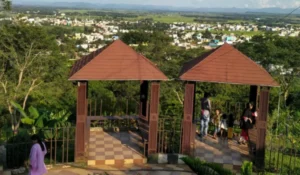
Kottakkunnu is a well-known hilltop attraction in Malappuram town. Its elevated location offers views of the surrounding landscape.
The area has recreational facilities and is a popular local destination for families and visitors.
- Nilambur Teak Museum
The Nilambur Teak Museum is associated with the area’s long history of teak cultivation. It provides information about teak, forestry and the importance of the tree in the region.
Nilambur is also known for its forests, plantations and the Chaliyar River.
- Thirunavaya
Thirunavaya is a historic settlement located along the Bharathapuzha River. It is traditionally associated with the Mamankam festival.
The area is also known for important temples and cultural traditions.
- Thunchan Parambu
Thunchan Parambu at Tirur is associated with Thunchath Ezhuthachan, an important figure in Malayalam literature.
The site includes facilities connected with his literary legacy and attracts visitors interested in Kerala’s language and literary history.
- Kadalundi
Kadalundi is known for its estuary, wetlands, mangroves and bird habitat.
The area offers opportunities to experience the natural landscape of northern Kerala and is particularly interesting for visitors interested in birds and wetland ecosystems.
- Kozhippara Waterfalls
Kozhippara Waterfalls is a scenic natural attraction in the highland region of Malappuram.
Surrounded by greenery and hills, the area is particularly attractive during periods of good water flow.
- Nedumkayam Rainforest
Nedumkayam near Nilambur is a forest destination surrounded by dense vegetation.
The area forms part of the wider Nilgiri landscape and is associated with nature tourism and forest experiences.
- Kottakkal
Kottakkal is famous for its Ayurvedic tradition and is an important centre for traditional healthcare.
The town attracts visitors interested in Ayurveda, wellness and the cultural history of Kerala’s traditional medical practices.
- Parappanangadi Beach
Parappanangadi is a coastal destination on the Arabian Sea.
The area provides access to Kerala’s coastal landscape and is connected to the region’s railway and road network.
- Biyyam Kayal
Biyyam Kayal near Ponnani is a scenic waterbody surrounded by greenery.
It is known for its backwater landscape and boating-related activities and provides a peaceful setting for visitors.
Transport and Connectivity
Road Connectivity
Malappuram has a strong road network connecting the district with major towns of Kerala and neighbouring regions.
Important road connections lead towards:
- Kozhikode
- Palakkad
- Thrissur
- Wayanad
- Nilgiris
- Karnataka
- Other major towns in northern Kerala
Road transport is particularly important because many towns and tourist destinations are located away from major railway stations.
Railway Connectivity
The western and central parts of the district have good railway connectivity.
Important railway stations include:
- Tirur
- Kuttippuram
- Tanur
- Parappanangadi
- Thirunavaya
- Angadippuram
- Nilambur
These stations provide connections towards Kozhikode, Kochi, Bengaluru, Chennai and other destinations through Kerala’s railway network.
Air Connectivity
Calicut International Airport at Karipur is located within Malappuram district and is the principal airport serving the region.
The airport provides both domestic and international connectivity and is particularly important for passengers travelling to and from Gulf countries.
Best Time to Visit Malappuram
The best time to explore Malappuram depends on the type of places visitors want to see. August to November can be attractive for experiencing the district’s green landscapes after the monsoon, while the cooler months are also comfortable for general sightseeing.
Popular activities and destinations include:
- Nilambur forests
- Kottakkunnu
- Thirunavaya
- Thunchan Parambu
- Kadalundi
- Beaches
- Waterfalls
- Cultural and historical sites
Visitors planning trips to forests and waterfalls should check local weather conditions, particularly during periods of heavy rain.
Nearby Cities, Districts and Areas
Important nearby cities, districts and areas include:
- Kozhikode
- Wayanad
- Palakkad
- Thrissur
- Nilgiris, Tamil Nadu
- Nilambur
- Manjeri
- Tirur
- Perinthalmanna
- Ponnani
- Kottakkal
- Kondotty
Malappuram’s location between the northern Kerala coast and the Nilgiri highlands gives it strong cultural, economic and transport connections with surrounding regions.
Why Is Malappuram District Important?
Malappuram is important because of its combination of history, culture, education, healthcare, tourism, agriculture and commercial activity.
Its major strengths include:
- Rich Malabar history
- Khilafat Movement and Malabar Rebellion heritage
- Nilambur teak forests
- Kottakkal Ayurveda tradition
- Thirunavaya and Mamankam heritage
- Thunchan Parambu and Malayalam literary heritage
- Arabian Sea coastline
- Kadalundi wetlands
- Strong road, railway and air connectivity
- Important educational and healthcare institutions
The district has a significant role in northern Kerala because it combines a historically important cultural landscape with major towns, educational institutions, healthcare facilities, natural attractions and commercial centres.
FAQs About Malappuram District
What is Malappuram district famous for?
Malappuram is famous for Malabar history, Mappila culture, Nilambur teak, Kottakkal Ayurveda, Thirunavaya, beaches, forests and Kadalundi wetlands.
What is the headquarters of Malappuram district?
The headquarters of Malappuram district is Malappuram town.
What is the PIN code of Malappuram district headquarters?
The main PIN code of Malappuram Head Post Office is 676505.
What are the popular tourist places in Malappuram?
Popular attractions include Kottakkunnu, Nilambur Teak Museum, Thirunavaya, Thunchan Parambu, Kadalundi, Kozhippara Waterfalls, Nedumkayam, Kottakkal and Biyyam Kayal.
When was Malappuram district formed?
Malappuram district was formed on 16 June 1969.
What is Malappuram known for historically?
Malappuram is historically associated with the Zamorins of Kozhikode, Mysore rulers, British rule, the Khilafat Movement and the Malabar Rebellion of 1921.
Does Malappuram have a district court and major hospitals?
Yes. The district has its main District Court Complex at Manjeri and a substantial government healthcare network, including Government Medical College, Manjeri, taluk hospitals and other government health facilities.
Conclusion
Malappuram is one of the important districts of northern Kerala, combining a rich historical background with diverse geography, cultural traditions and strong connectivity. Its association with the history of Malabar, the Khilafat Movement and the Malabar Rebellion gives the district considerable historical importance.
The district is also known for Nilambur’s forests and teak, Kottakkal Ayurveda, Thirunavaya, Thunchan Parambu, Kadalundi and its coastal attractions. Its education, healthcare, agriculture, trade and tourism sectors make Malappuram an important cultural and economic region of Kerala.