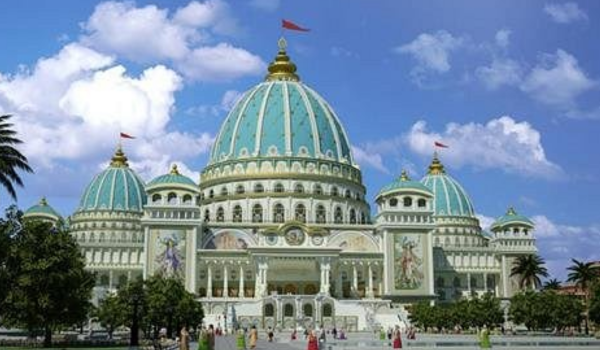
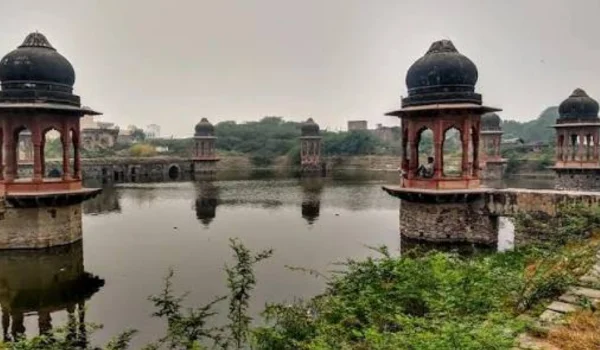
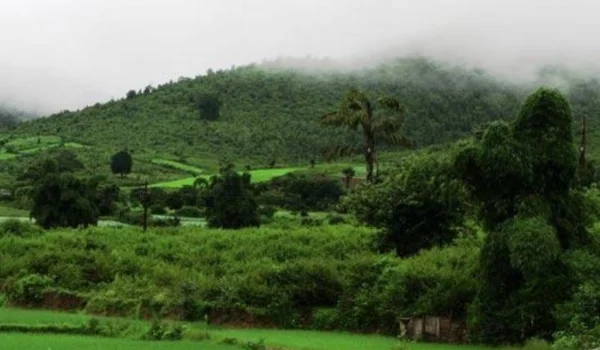
Koppal is a historically important district in northern Karnataka, known for its ancient temples, forts, rocky landscapes, agriculture and close connection with the Vijayanagara Empire. The district is particularly notable for places such as Anegundi, Anjanadri Hill, Koppal Fort, Itagi Mahadeva Temple and Kanakagiri.
Koppal is also an important agricultural region and is known for seed production and crops such as paddy, jowar, groundnut, pomegranate and grapes. The district lies close to the world-famous Hampi heritage region and has several historical and religious sites of its own.
Quick Information About Koppal District
| Particular | Details |
| District | Koppal |
| State | Karnataka |
| District Headquarters | Koppal |
| Formation | 1 April 1998 |
| Area | 5,570 sq. km |
| Population | 13,89,920 |
| Taluks | 7 |
| Villages | 629 |
| Main Language | Kannada |
| Famous For | Anegundi, historical monuments, temples, agriculture and seed production |
| Major River | Tungabhadra |
| Nearby Heritage Destination | Hampi |
| Important Towns | Koppal, Gangavathi, Kushtagi, Yelburga, Kanakagiri, Karatagi and Kukanoor |
The current Koppal district administration website lists the district’s area as 5,570 sq. km, population as 13,89,920, seven taluks and 629 villages.
Location and Geography of Koppal
Koppal is located in the northern interior part of Karnataka. It is surrounded by Raichur, Gadag, Bagalkot and Ballari districts. The district headquarters is situated relatively close to the Hampi heritage region.
The landscape of Koppal includes rocky hills, dry agricultural land and areas supported by irrigation. The Tungabhadra River is particularly important for agriculture and settlements in parts of the district.
The region has a generally dry climate, making irrigation and water management important for farming. Areas around Gangavathi are especially significant for irrigated agriculture.
History of Koppal District
Koppal has a very long history and has been associated with several important South Indian dynasties, including the Satavahanas, Gangas, Chalukyas and Hoysalas. The district’s historical name is connected with Kopana Nagara, which is mentioned in the Kannada literary work Kavirajamarga.
Koppal also has an important Jain heritage. During the period associated with Emperor Ashoka, Jainism gained influence in the region, leading to Koppal being associated with the name Jainkashi. Later, Veerashaivism became influential in the area.
Pincode of Koppal District
Koppal district in Karnataka has multiple PIN codes for different towns, villages and post offices. The Koppal district headquarters has PIN code 583231.
| Area / Post Office | PIN Code |
| Koppal | 583231 |
| Gangavathi | 583227 |
| Kushtagi | 583277 |
| Yelburga | 583236 |
| Kanakagiri | 583283 |
| Karatagi | 583229 |
| Munirabad | 583233 |
| Kuknoor | 583232 |
| Anegundi | 583227 |
| Hitnal | 583234 |
Connection With the Vijayanagara Empire
One of the most important parts of Koppal’s history is its connection with the Vijayanagara Empire.
Anegundi, located in present-day Gangavathi taluk, served as the first capital of the Vijayanagara Empire. Historic structures, temples, forts and other remains can still be found in and around Anegundi.
Koppal was later part of the Hyderabad region under the Nizam. After India’s independence, the region remained part of Hyderabad State until its integration into Karnataka’s administrative history.
Koppal remained part of Raichur district until it became a separate district on 1 April 1998.
Population of Koppal District
The Koppal district administration lists the district’s population as 13,89,920. The district has a substantial rural population, with agriculture supporting a large part of the local economy.
Koppal city serves as the district headquarters and an important centre for education, healthcare, trade, government services and transportation.
For historical population comparisons, the 2011 Census remains the standard national Census reference. The district administration’s current website provides the population figure above as part of its district profile.
Economy of Koppal District
Agriculture is one of the most important parts of Koppal’s economy. The district is sometimes described by the administration as the “Rice Bowl of Karnataka”, reflecting the importance of paddy cultivation, particularly in irrigated areas.
The district is also known for seed production. Several seed companies have production centres in the region for crops including vegetables, fruits, flowers and pulses.
Major Economic Activities
- Agriculture
- Paddy cultivation
- Seed production
- Horticulture
- Food processing
- Sugar-related activities
- Handicrafts and small businesses
- Trade and commerce
- Tourism and hospitality
- Transport and logistics
Agriculture in Koppal
Agriculture remains a major source of livelihood in Koppal.
Important crops and agricultural products include:
- Paddy
- Jowar
- Groundnut
- Pulses
- Pomegranate
- Grapes
- Figs
- Vegetables
- Other horticultural crops
The availability of Tungabhadra water has helped expand irrigated agriculture in parts of the district. Areas around Gangavathi are particularly known for paddy cultivation.
The combination of dryland farming and irrigation creates different agricultural patterns across the district.
Industries and Business in Koppal
Koppal has an economy that is closely connected with agriculture and natural resources. Food processing, agricultural businesses and seed production have potential because of the district’s farming base.
The district’s location near major heritage destinations also creates opportunities in tourism and hospitality.
Business Opportunities
Some important areas of business potential include:
- Food processing
- Agricultural equipment
- Seed production
- Horticulture-based businesses
- Warehousing
- Logistics
- Tourism
- Hotels and restaurants
- Retail trade
- Small and medium industries
The district’s road connectivity and proximity to Hampi and other major destinations can further support tourism-related businesses.
Education in Koppal
Koppal has schools, colleges and higher educational institutions serving students from the district and surrounding areas.
Koppal city is the main educational centre, while Gangavathi, Kushtagi, Yelburga and other towns also provide access to schools and colleges.
The district administration’s public utility information includes degree and postgraduate centres among the educational facilities available in the district.
District Court in Koppal
Koppal has a District Court that handles civil and criminal matters falling under its jurisdiction.
According to the official district court information, the District Court exercises original and appellate jurisdiction in civil and criminal matters. Appeals from the District Court can proceed to the Karnataka High Court according to the applicable judicial process.
The court system also includes subordinate courts serving different parts of the district.
District Hospital and Healthcare
Koppal has a government healthcare network that includes the district hospital, taluk hospitals, community health centres and primary health centres.
The district administration lists the District Teaching Hospital KIMS, Koppal, located on Hospet Road, as a major medical institution.
The district’s health system also includes facilities such as:
- Taluk General Hospital, Gangavathi
- Taluk General Hospital, Kushtagi
- Taluk General Hospital, Yelburga
- Community Health Centres
- Primary Health Centres
- Urban Primary Health Centres
The District Health and Family Welfare Department manages several public health programmes across Koppal.
Popular Tourist Attractions in Koppal
Koppal is an excellent district for travellers interested in history, temples, archaeology, mythology and natural landscapes. The official district tourism portal lists numerous historic, religious and scenic destinations.
- Anegundi
Anegundi is one of the most important historical destinations in Koppal district. It lies on the northern bank of the Tungabhadra River and is closely associated with the early history of the Vijayanagara Empire.
The village has historic temples, old structures, forts and traditional settlements.
- Anjanadri Parvata
Anjanadri Hill near Anegundi is one of the most popular religious attractions in the district.
It is traditionally associated with Lord Hanuman and is considered by many devotees to be his birthplace. The hill also provides panoramic views of the surrounding Tungabhadra landscape.
- Koppal Fort
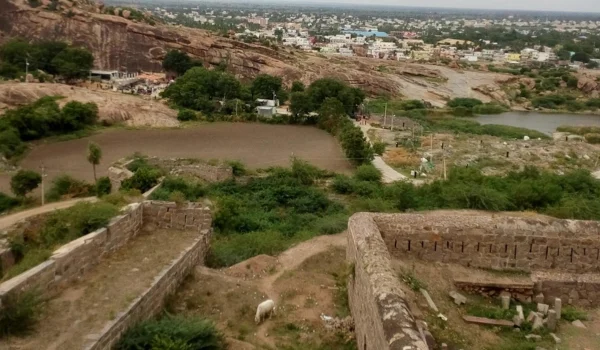
Koppal Fort is a historic hill fort located near Koppal city.
The fort has witnessed the rule and influence of several powers, including the Adil Shahis, Marathas, Hyder Ali, Tipu Sultan and the Nizam. Its inscriptions, gates and fortification structures reflect its long military history.
- Mahadeva Temple, Itagi
The Mahadeva Temple at Itagi is one of the most significant historic temples in the district.
Built in 1112, the temple is celebrated for its architectural and sculptural quality and is often described as an outstanding example of medieval Karnataka temple architecture.
- Kanakagiri
Kanakagiri is an important historic and religious destination. The Kanakachalapathi or Lakshmi Narasimha Temple is known for its Vijayanagara-style architectural features.
The historic Venkatapati Bavi, a stepwell dating to the 16th century, is another notable attraction in the area.
- Sanapur Dam and Lake
Sanapur Dam and Lake is a scenic destination near Gangavathi.
The area is associated with the Tungabhadra River and offers a peaceful setting surrounded by rocky landscapes. It is particularly attractive for visitors interested in nature and photography.
- Hirebenakal Megalithic Burial Site
Hirebenakal is known for its important megalithic burial site, which contains prehistoric stone structures.
It is one of the district’s most interesting archaeological attractions and provides insight into the region’s ancient human settlements.
- Gavimatha
Gavimatha in Koppal is an important religious and cultural institution associated with the Lingayat tradition.
It is also known for the Gavimath Jatre, a major annual religious gathering that attracts large numbers of devotees.
- Pampa Sarovar
Pampa Sarovar near Anegundi is a religiously significant water body associated with the Ramayana tradition.
The lake and its surrounding landscape make it both a spiritual and scenic destination.
Transport and Connectivity
Koppal has road and railway connections with important cities and towns of northern Karnataka.
Road Connectivity
Koppal is connected by major highways and state roads. The district tourism information notes that NH 50 and NH 67, along with several state highways, connect the region with surrounding areas.
Road connectivity is particularly important for reaching Anegundi, Gangavathi, Hampi and other tourist destinations.
Railway Connectivity
Koppal has a railway station, while Munirabad, Ginigera and Hosapete are also important railway points for reaching different parts of the district and nearby heritage destinations.
Air Connectivity
For air travel, Jindal Vijaynagar Airport is among the nearest airports to several attractions in Koppal district. Hubballi Airport is another major airport option depending on the traveller’s destination and route.
Best Time to Visit Koppal
The cooler months are generally more comfortable for exploring Koppal’s historical and religious attractions.
October to February is a good period for visiting Anegundi, Koppal Fort, Anjanadri Hill, Itagi and other outdoor attractions.
The weather can be hot during summer, particularly in the dry interior parts of northern Karnataka. Visitors planning hill visits or outdoor sightseeing should consider local weather conditions.
Nearby Cities, Districts and Areas
Koppal is connected with several important districts and heritage destinations in northern Karnataka.
Nearby places include:
- Hampi
- Hosapete
- Gangavathi
- Ballari
- Gadag
- Raichur
- Bagalkot
- Hubballi
- Munirabad
- Anegundi
The close connection with Hampi, a UNESCO World Heritage destination, gives Koppal additional importance in Karnataka’s tourism circuit.
Why Is Koppal District Important?
Koppal is important because of its combination of ancient history, agriculture, religious heritage and tourism.
Its major highlights include:
- Strong Vijayanagara heritage
- Anegundi, the first capital of the Vijayanagara Empire
- Proximity to Hampi
- Koppal Fort
- Ancient temples such as Itagi Mahadeva Temple
- Anjanadri Hill and Ramayana-linked sites
- Important archaeological sites
- Tungabhadra River and irrigation
- Strong agricultural and seed-production sector
- Growing tourism and hospitality potential
The district’s historical depth makes it particularly important for understanding the cultural and political history of northern Karnataka.
FAQs About Koppal District
When was Koppal district formed?
Koppal became a separate district on 1 April 1998, after being separated from Raichur district.
What is Koppal district famous for?
Koppal is famous for Anegundi, Vijayanagara heritage, Koppal Fort, ancient temples, Anjanadri Hill, agriculture and seed production.
What is the area of Koppal district?
The current Koppal district administration lists the district’s area as approximately 5,570 sq. km.
What is the population of Koppal district?
The Koppal district administration currently lists the population as 13,89,920.
What are the popular tourist places in Koppal?
Popular attractions include Anegundi, Anjanadri Parvata, Koppal Fort, Itagi Mahadeva Temple, Kanakagiri, Sanapur Lake, Hirebenakal, Gavimatha and Pampa Sarovar.
Does Koppal have a district court and district hospital?
Yes. Koppal has a District Court, while the healthcare system includes the District Teaching Hospital KIMS, Koppal, along with taluk hospitals, community health centres and primary health centres.
Conclusion
Koppal District is one of Karnataka’s most interesting destinations for history, culture, religion and rural tourism. Its connection with the Vijayanagara Empire, ancient temples, forts, archaeological sites and Tungabhadra River give it a distinctive identity.
Anegundi, Anjanadri Hill, Koppal Fort and Itagi Mahadeva Temple are among its major attractions, while agriculture and seed production remain important to the local economy. Its location close to Hampi further strengthens its importance on Karnataka’s historical and tourism map.
For travellers interested in exploring beyond the better-known destinations of Karnataka, Koppal offers a rich combination of ancient heritage, religious traditions, natural landscapes and agricultural culture.