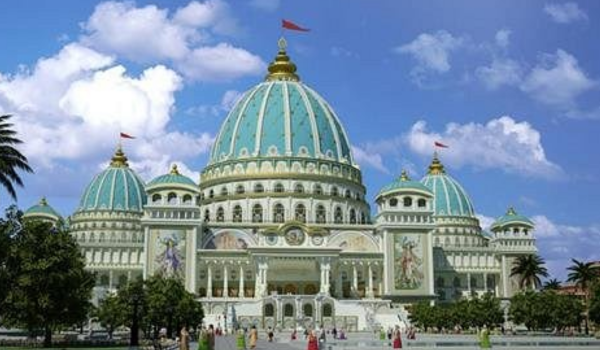
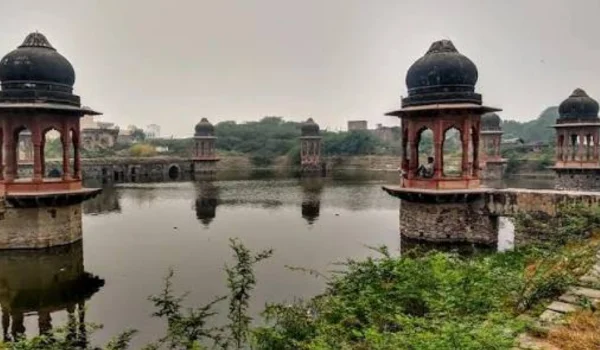
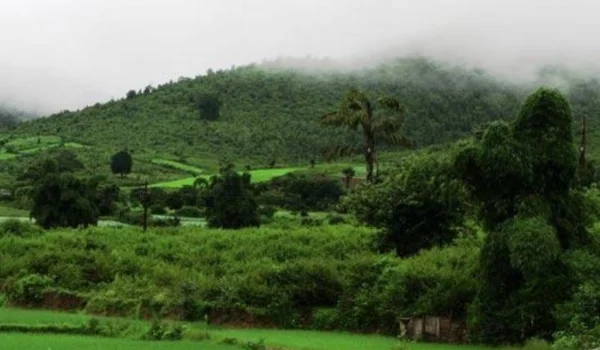
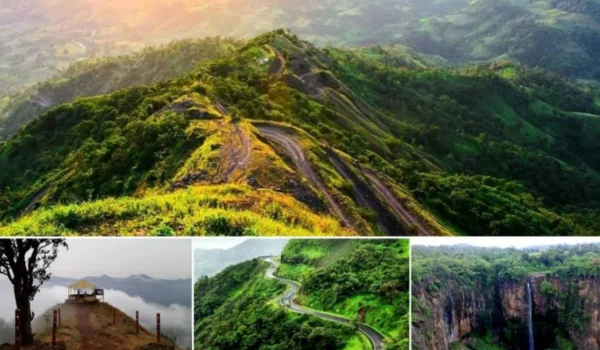
Mandya is an important district in southern Karnataka, located between Bengaluru and Mysuru. Often associated with sugarcane cultivation, irrigation and fertile agricultural land, Mandya is popularly known as the “Land of Sugar.” The district is also known for the Kaveri River, historic temples, waterfalls, wildlife areas and important tourist attractions such as Srirangapatna, Melukote and Shivanasamudra.
Mandya district was created on 1 July 1939 by separating it from the then Mysore district. Today, agriculture remains central to its economy, while tourism, sericulture, food processing and other industries also contribute to the district’s development.
Quick Information About Mandya District
| Particular | Details |
| District | Mandya |
| State | Karnataka |
| District Headquarters | Mandya |
| Formation | 1 July 1939 |
| Area | About 4,962 sq. km |
| Population | 18,05,769 (Census 2011) |
| Literacy Rate | 70.40% |
| Number of Taluks | 7 |
| Main Language | Kannada |
| Famous For | Sugarcane, agriculture, Kaveri River and tourism |
| Major Rivers | Kaveri, Hemavathi, Shimsha, Lokapavani and Veeravaishnavi |
| Major Cities/Towns | Mandya, Maddur, Malavalli, Srirangapatna, Nagamangala, Pandavapura and K.R. Pet |
The Mandya district administration currently lists 4,962 sq. km as the district’s area and seven taluks. The 2011 Census population is 18,05,769, with a literacy rate of 70.40%.
Location and Geography of Mandya
Mandya is located in the southern plains of Karnataka. It lies between Bengaluru and Mysuru and shares boundaries with districts including Hassan, Tumakuru, Bengaluru region and Mysuru.
The district has a mixture of flat agricultural land and hilly areas. The Kaveri and Hemavathi rivers, along with other rivers and irrigation systems, have played a major role in shaping Mandya’s agricultural landscape.
Mandya receives around 700 mm of average annual rainfall. Irrigation from the Kaveri and Hemavathi systems has made a significant portion of the district’s agricultural land productive.
History of Mandya District
The area that forms present-day Mandya was historically connected with the old Mysore region. Over different periods, the wider region came under the influence of dynasties including the Gangas, Cholas, Hoysalas and Vijayanagara rulers before becoming closely associated with the Mysore kingdom.
Mandya became a separate administrative district on 1 July 1939, when it was carved out of the then Mysore district. The new district was established with seven taluks and Mandya town as its headquarters.
The construction of irrigation infrastructure, particularly projects connected with the Kaveri River, had a major impact on agriculture and settlement in the region. Over time, sugarcane cultivation and sugar industries became closely associated with Mandya.
Pincode of Mandya District
Mandya district in Karnataka has multiple PIN codes for different towns, villages and post offices. The Mandya district headquarters has PIN code 571401.
| Area / Post Office | PIN Code |
| Mandya | 571401 |
| Maddur | 571428 |
| Malavalli | 571430 |
| Srirangapatna | 571438 |
| Pandavapura | 571435 |
| Krishnarajpet (K.R. Pet) | 571426 |
| Nagamangala | 571432 |
| Kirugavalu | 571424 |
| Bellur | 571418 |
| Melukote | 571431 |
Note: Mandya district has several PIN codes, and the exact code depends on the locality and post office. For a specific address, it is best to verify the PIN with the relevant post office before publishing or using it.
Population of Mandya District
According to Census 2011 figures, Mandya district had a population of 18,05,769 and a population density of about 365 people per sq. km. Its literacy rate was approximately 70.40%.
The district has a large rural population, reflecting the importance of agriculture in the local economy. Mandya city and other major towns serve as centres for education, healthcare, trade, transportation and government services.
Since the 2011 Census remains the latest completed national Census with comparable district-level figures, newer estimates should not be presented as official Census data.
Economy of Mandya District
Agriculture is the backbone of Mandya’s economy. The district’s fertile land and irrigation facilities support sugarcane, paddy and several other crops.
Mandya is particularly famous for sugarcane cultivation and sugar processing. This is why it is widely known as the Land of Sugar or Sugar District of Karnataka.
Other important economic activities include:
- Sugarcane cultivation
- Paddy cultivation
- Sericulture
- Horticulture
- Jaggery production
- Food processing
- Sugar industries
- Rice mills
- Textile and handloom activities
- Small and medium businesses
- Tourism and hospitality
The Karnataka government also identifies sugar, food processing, sericulture, textiles and related sectors as important parts of Mandya’s economic potential.
Agriculture in Mandya
Agriculture has a major role in the district’s economy and employment.
The district administration states that more than half of Mandya’s total land area is used for agriculture, while a significant area is irrigated. Around five lakh people are employed in the agriculture sector according to district information.
Major Crops
Important crops and agricultural activities include:
- Sugarcane
- Paddy
- Ragi
- Pulses
- Horse gram
- Vegetables
- Fruits
- Flowers
Sugarcane remains particularly important because it supports both farming and sugar-processing industries.
Industries and Business in Mandya
Mandya has an agricultural-industrial economy, with many businesses connected directly or indirectly to farming.
The district has sugar mills, jaggery-making units, rice mills, food-processing activities and other small and medium industries. Sericulture is another important sector, and Karnataka’s investment information identifies Mandya as one of the state’s leading sericulture districts.
The district’s location between Bengaluru and Mysuru also provides opportunities in:
- Food processing
- Logistics
- Warehousing
- Tourism
- Hospitality
- Agricultural businesses
- Textile and handloom activities
- Retail and wholesale trade
Education in Mandya
Mandya has schools, colleges and higher educational institutions serving students from the district and nearby areas.
Mandya city is an important educational centre, while towns such as Srirangapatna, Pandavapura, Maddur and Malavalli also provide educational services.
Students seeking highly specialised professional education can also access the larger education ecosystem of Bengaluru and Mysuru because of Mandya’s relatively strong road and rail connectivity.
District Court in Mandya
Mandya has a District and Sessions Court serving the district’s judicial requirements.
The official Mandya district website provides a dedicated Courts section through the eCourts system, while court records identify the Mandya District Court, Mandya, Karnataka.
The district court handles judicial matters falling under its jurisdiction and provides access to court-related services for residents of Mandya and surrounding areas.
District Hospital and Healthcare
Mandya has a network of government and private healthcare facilities. The district administration website includes hospitals among its public utility services.
The District Hospital, Mandya is part of the government healthcare system. Government health records also identify Mandya Institute of Medical Sciences among the healthcare institutions serving the district.
Healthcare services are also available through community health centres, primary health centres and hospitals in different parts of the district.
Popular Tourist Attractions in Mandya
Mandya has a strong mix of religious, historical and natural attractions. Some of its most popular places are connected with the Kaveri River and the historical heritage of the old Mysore region.
- Srirangapatna
Srirangapatna is one of the most historically important places in the district. Located on an island formed by the Kaveri River, the town has strong connections with the history of the Mysore kingdom and Tipu Sultan.
Its temples, historic structures and river landscape make it an important tourist destination.
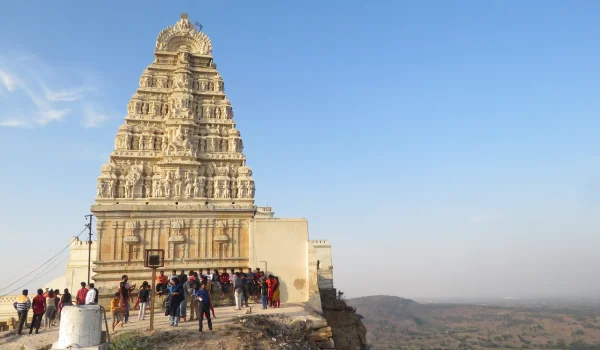
- Melukote
Melukote is a famous religious and heritage destination in Pandavapura taluk.
The town is known for the Cheluvanarayana Swamy Temple, Yoga Narasimha Swamy Temple and other historic structures. The district administration describes Melukote as one of the state’s important religious, traditional and historical tourist destinations.
- Shivanasamudra Falls
Shivanasamudra is one of the major natural attractions associated with the Kaveri River. The area is known for its waterfalls and scenic surroundings.
The famous Gaganachukki Falls is particularly notable for its dramatic drop and river landscape.
- KRS Dam and Brindavan Gardens
The Krishnaraja Sagara (KRS) Dam and Brindavan Gardens are major attractions in the Mandya region.
The district’s official tourism portal lists both KRS Dam and Brindavan Gardens among its tourist places.
- Kokkare Bellur
Kokkare Bellur is known for its birdlife and is particularly associated with migratory birds such as painted storks and spot-billed pelicans.
The village has become an important destination for people interested in birds, nature and rural tourism.
- Adichunchanagiri
Adichunchanagiri is an important religious and cultural centre in Nagamangala taluk. The area is known for its hill, temples, greenery and peacock habitat.
Transport and Connectivity
Mandya benefits from its location on the important Bengaluru–Mysuru route.
Road Connectivity
Mandya city is located on the Bengaluru–Mysuru corridor and has road connections with Bengaluru, Mysuru and other parts of Karnataka. The district headquarters is around 100 km from Bengaluru and about 40 km from Mysuru according to district information.
Railway Connectivity
Mandya is well connected by rail. Railway services between Bengaluru and Mysuru pass through important places in the district, including Maddur, Mandya, Pandavapura and Srirangapatna.
Air Connectivity
For air travel, Kempegowda International Airport in Bengaluru is the major airport used by travellers from Mandya. The journey generally involves road travel from Mandya to the Bengaluru airport region.
Best Time to Visit Mandya
The cooler months are generally more comfortable for sightseeing and outdoor activities.
October to February is a good period for visiting places such as Melukote, Srirangapatna, KRS, Kokkare Bellur and other attractions.
During the monsoon and immediately afterward, waterfalls and green landscapes can become especially attractive, although visitors should check local weather conditions before travelling.
Nearby Cities, Districts and Areas
Mandya’s central location in southern Karnataka makes several important cities and districts easily accessible.
Nearby places include:
- Mysuru
- Bengaluru
- Hassan
- Tumakuru
- Ramanagara
- Chamarajanagar
- Srirangapatna
- Maddur
- Pandavapura
- Malavalli
The district’s location between Bengaluru and Mysuru is one of its biggest advantages for travel, business and employment connectivity.
Why Is Mandya District Important?
Mandya is important because it combines agriculture, irrigation, sugar industries, tourism and strong connectivity.
Its major strengths include:
- Fertile agricultural land
- Major sugarcane cultivation
- Kaveri and Hemavathi irrigation
- Sugar and food-processing industries
- Strong sericulture sector
- Historic sites such as Srirangapatna and Melukote
- Natural attractions such as Shivanasamudra
- Good road and railway connectivity
- Location between Bengaluru and Mysuru
The district’s agricultural identity and historical and natural attractions make it an important part of southern Karnataka.
FAQs About Mandya District
When was Mandya district formed?
Mandya district was formed on 1 July 1939 after being separated from the then Mysore district.
What is Mandya district famous for?
Mandya is famous for sugarcane cultivation, sugar industries, agriculture, Kaveri River landscapes, temples and tourist attractions. It is popularly known as the Land of Sugar.
What is the area of Mandya district?
Mandya district covers approximately 4,962 sq. km.
What is the population of Mandya district?
According to the 2011 Census, Mandya district had a population of 18,05,769.
What are the popular tourist places in Mandya district?
Popular attractions include Srirangapatna, Melukote, Shivanasamudra Falls, KRS Dam, Brindavan Gardens, Kokkare Bellur and Adichunchanagiri.
Does Mandya have a district court and district hospital?
Yes. Mandya has a District and Sessions Court, while government health records identify District Hospital, Mandya and other major healthcare institutions serving the district.
Conclusion
Mandya District is one of Karnataka’s important agricultural and cultural regions. Known as the Land of Sugar, it has a strong connection with sugarcane farming, irrigation and food-processing industries. At the same time, its historic towns, temples, waterfalls, bird habitats and Kaveri River landscapes make it an attractive destination for travellers.
Its location between Bengaluru and Mysuru, combined with good road and railway connectivity, further increases its economic importance. From Melukote and Srirangapatna to Shivanasamudra and KRS, Mandya offers a combination of history, nature, agriculture and culture that makes it an important district of Karnataka.