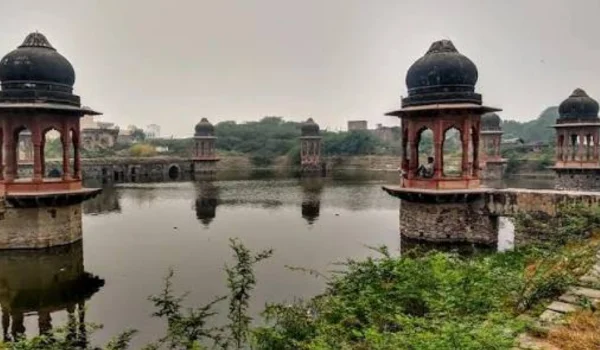
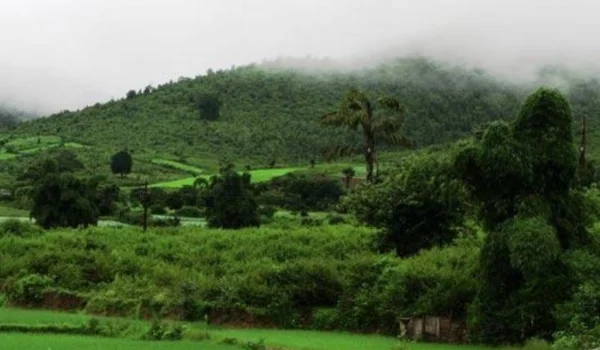
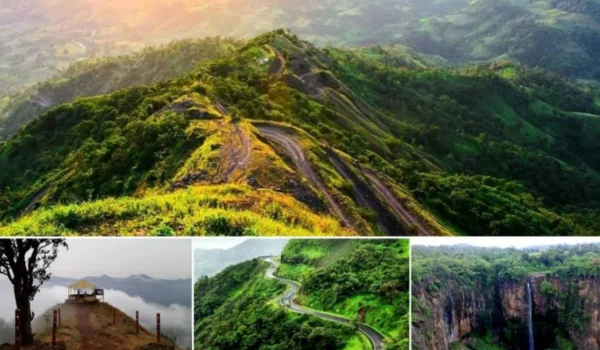
Kishanganj is a district in the north-eastern part of Bihar. It is known for its strategic location near the borders of West Bengal and Nepal, fertile agricultural land, tea gardens, rivers and cultural diversity. The district is also important because it provides a major transportation link between Bihar and the north-eastern region of India.
Kishanganj became a separate district on 14 January 1990, after being part of Purnea district. Today, it is an important administrative, agricultural, commercial and transport centre in north-eastern Bihar.
Quick Information About Kishanganj District

| Particular | Details |
| District | Kishanganj |
| State | Bihar |
| District Headquarters | Kishanganj |
| Formation | 14 January 1990 |
| Area | 1,884 sq. km |
| Population | 16,90,948 (Census 2011) |
| Literacy Rate | 57.04% |
| Blocks | 7 |
| Gram Panchayats | 124 |
| Census Villages | 771 |
| Main Language | Hindi, Urdu and local languages |
| Famous For | Tea gardens, agriculture, rivers and strategic location |
| Major Railway Station | Kishanganj Railway Station |
| Important Highway | NH 31 |
The district’s official website lists an area of 1,884 sq. km and a 2011 Census population of 16,90,948, with a literacy rate of 57.04%.
Location and Geography of Kishanganj
Kishanganj is located in the north-eastern part of Bihar. It has a strategically important geographical position because it is surrounded by other districts of Bihar as well as areas of West Bengal and Nepal.
The district is bordered by Araria and Purnea in Bihar, while West Bengal’s Uttar Dinajpur and Darjeeling districts lie on its eastern and northern sides. Nepal is also located to the north. A narrow strip of West Bengal separates the district from Bangladesh.
Several rivers flow through the district, including:
- Mahananda
- Kankai
- Mechi
- Donk
- Ratua
- Ramzan Sudhani
The river network and fertile land support agriculture across the district.
History of Kishanganj District
Kishanganj has a long local history connected with the old Purnea region.
According to the district’s official history, the present name Kishanganj is linked to the historical name Krishna-Kunj. The area was associated with Khagada Nawab Mohammad Fakiruddin, and the name is believed to have gradually changed into its present form over time.
For many years, Kishanganj was an important subdivision of Purnea. Local residents, including social workers, farmers, business people, journalists and political representatives, campaigned for a separate district. After a long movement lasting about 17 years, Kishanganj became a separate district on 14 January 1990.
Pincode of Kishanganj District
Kishanganj district in Bihar has multiple PIN codes for different towns, villages and post offices. The Kishanganj district headquarters has PIN code 855107, as confirmed by the official district administration website.
| Area / Post Office | PIN Code |
| Kishanganj | 855107 |
| Kishanganj Bazar | 855108 |
| Bahadurganj | 855101 |
| Bangama | 855101 |
| Bhitabari | 855101 |
| Thakurganj | 855116 |
| Powakhali | 855115 |
| Taiyabpur | 855117 |
| B.B. Bharatpur | 855108 |
| Gangi Hat | 855107 |
The official Kishanganj district website also provides a location-wise list of PIN codes, while India Post records confirm the PIN codes for Kishanganj and Kishanganj Bazar.
Population of Kishanganj District
According to Census 2011 figures published by the district administration, Kishanganj had a population of 16,90,948. The district recorded a literacy rate of 57.04% and a population density of about 897 people per sq. km.
The district has a large rural population, with agriculture and related activities supporting many households. Kishanganj is also notable for its cultural and linguistic diversity.
Because the 2011 Census remains the latest completed national population census available for such district-level comparison, newer population estimates should not be treated as official Census figures.
Economy of Kishanganj
Agriculture is one of the main pillars of the Kishanganj economy. The district’s fertile land, rivers and favourable conditions support farming and horticulture.
Apart from agriculture, trade, transport, small businesses and services contribute to the local economy. The district’s location on an important route towards north-eastern India also gives it commercial importance.
Major Economic Activities
- Agriculture
- Horticulture
- Tea cultivation
- Livestock and animal husbandry
- Local trade
- Retail businesses
- Transport and logistics
- Small-scale industries
- Tourism and hospitality
Kishanganj is also known for its tea-growing areas, which give the district a distinctive place within Bihar’s agricultural landscape.
Agriculture in Kishanganj
Agriculture is particularly important in the rural areas of the district.
The region’s rivers and fertile plains support the cultivation of different crops. Farmers are involved in food crops, vegetables and other agricultural activities, while tea cultivation has emerged as an important speciality of the district.
The district administration also identifies agriculture and animal husbandry among the key sectors of the local economy.
Tea Gardens of Kishanganj
One of the features that makes Kishanganj different from many other Bihar districts is its tea cultivation.
The district has tea gardens that have become part of its agricultural identity and are also attracting interest from visitors. The official district website itself highlights a tea garden among its featured local attractions.
Tea cultivation provides opportunities for farming, processing and related rural employment.
Education in Kishanganj
Kishanganj has schools, colleges and other educational institutions serving students from the district and surrounding areas.
The district headquarters is an important centre for education and other public services. Students also travel to nearby cities and larger educational centres in Bihar and West Bengal for specialised higher education.
Improving access to quality education remains important for the district because of its large rural population and relatively low literacy rate compared with many developed urban regions.
District Court in Kishanganj
Kishanganj has a District Court that provides judicial services to residents of the district.
According to the official district website, the district has two courts, including the District Court and Sub-Divisional Court, and both are situated at the same location in front of the bus stand.
The Kishanganj district court is also part of the official Bihar district court system available through eCourts.
District Hospital and Healthcare
Healthcare services in Kishanganj are provided through government hospitals, primary healthcare facilities and private medical establishments.
The District Hospital, Kishanganj is part of Bihar’s government health system. State Health Society Bihar lists District Hospital, Kishanganj among the state’s district hospitals.
The district administration’s public utilities section also lists hospitals and other healthcare facilities available in the district.
For specialised treatment, residents may also travel to larger healthcare centres in nearby cities depending on the medical requirement.
Popular Tourist Attractions in Kishanganj
Kishanganj is not among Bihar’s most heavily promoted tourist destinations, but it has several natural and cultural attractions that can be interesting for visitors.
- Mahananda River
The Mahananda River is one of the important natural attractions of Kishanganj. According to the official district tourism page, the river is located around 6 km from Kishanganj Bus Stand.
The river and surrounding landscape offer an opportunity to experience the natural side of the district.
- Kishanganj Tea Gardens
The tea gardens of Kishanganj are a distinctive attraction because tea cultivation is relatively uncommon in Bihar compared with major tea-producing regions of eastern and north-eastern India.
Visitors interested in agriculture and rural landscapes may find the tea-growing areas particularly interesting.
- Khagada and Local Cultural Sites
Khagada has historical connections with the area’s past and the story of Kishanganj’s development. Local fairs and cultural activities also contribute to the district’s identity.
Visitors should check local information before planning visits to specific sites or events.
Transport and Connectivity
Kishanganj has an important transportation position because it lies on a major route connecting eastern India with the north-eastern region.
Road Connectivity
The district is connected by major roads and highways with Bihar, West Bengal and nearby regions. NH 31 has historically been an important route through the area and has helped connect Kishanganj with the wider road network.
Railway Connectivity
Kishanganj Railway Station is one of the district’s biggest transportation assets.
The station is part of the Northeast Frontier Railway network and connects the district with major cities and towns. The district administration describes the railway station as a major railhead with connections towards several parts of India.
Air Connectivity
For air travel, residents generally depend on airports in the wider region. The most suitable airport can vary depending on the destination and current flight availability.
Best Time to Visit Kishanganj
The cooler months are generally more comfortable for exploring Kishanganj and its surrounding areas.
October to March can be a suitable period for sightseeing and outdoor travel because temperatures are generally more comfortable than during the peak summer months.
Visitors interested in rivers, agricultural landscapes and tea gardens should also consider local weather conditions before planning their trip.
Nearby Cities, Districts and Areas
Kishanganj has strong geographical and transport links with several nearby areas.
Important nearby places include:
- Purnea
- Araria
- Siliguri
- Uttar Dinajpur
- Darjeeling region
- Nepal border areas
- West Bengal’s northern districts
Its location makes Kishanganj particularly important as a gateway between Bihar, West Bengal and the north-eastern part of India.
Why Is Kishanganj District Important?
Kishanganj is important because of its strategic location, agriculture, tea cultivation and transportation connectivity.
Some of its major advantages include:
- Location in north-eastern Bihar
- Proximity to West Bengal and Nepal
- Important railway connectivity
- Major road connections
- Agricultural economy
- Tea gardens and tea cultivation
- Mahananda and other rivers
- District-level healthcare and judicial services
- Cultural and geographical diversity
Its location is especially significant because transportation routes passing through Kishanganj help connect the rest of India with the north-eastern region.
FAQs About Kishanganj District
- When was Kishanganj district formed?
Kishanganj became a separate district of Bihar on 14 January 1990 after being separated from Purnea district.
- What is Kishanganj district famous for?
Kishanganj is known for its tea gardens, agriculture, rivers, railway connectivity and strategic location near West Bengal and Nepal.
- What is the area of Kishanganj district?
Kishanganj district covers an area of approximately 1,884 square kilometres.
- What is the population of Kishanganj district?
According to Census 2011 data published by the district administration, Kishanganj had a population of 16,90,948.
- What are the popular tourist attractions in Kishanganj?
The Mahananda River and Kishanganj’s tea-growing areas are among the notable attractions. The district also has local cultural and historical places worth exploring.
- Does Kishanganj have a district court and district hospital?
Yes. Kishanganj has a District Court, and Bihar’s health system lists District Hospital, Kishanganj as a district hospital.
Conclusion
Kishanganj District is an important part of north-eastern Bihar, with a unique combination of agriculture, tea cultivation, rivers, cultural diversity and strategic connectivity. Its position near West Bengal, Nepal and the routes leading towards north-eastern India gives it importance beyond its geographical size.
From the Mahananda River and tea gardens to its railway network and growing local economy, Kishanganj offers a different side of Bihar that is worth exploring. With continued development in transport, agriculture, education and public services, the district remains an important regional centre in eastern India.