Dharashiv is a historic district in Maharashtra, located in the Marathwada region. The district is known for its ancient caves, temples, forts, agricultural economy and cultural heritage. It was officially renamed Dharashiv from Osmanabad in 2023, while the old name is still commonly used in some contexts.
Dharashiv city is the district headquarters. Agriculture is the main economic activity, supported by trade, food processing, small industries and services.
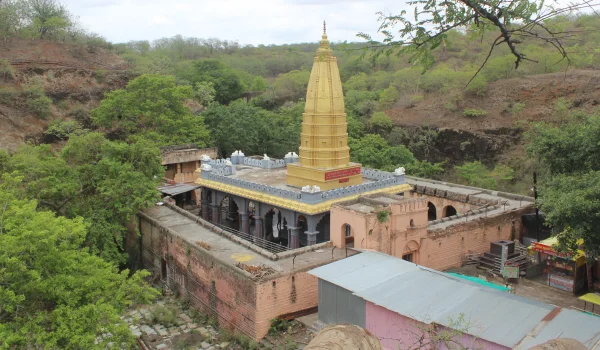
The district is particularly known for Dharashiv Caves, Tulja Bhavani Temple, Naldurg Fort, Paranda Fort and Ramling.
Quick Information About Dharashiv District
| Particular | Details |
| District | Dharashiv |
| State | Maharashtra |
| District Headquarters | Dharashiv |
| Region | Marathwada |
| Former Name | Osmanabad |
| Formation | 1982 |
| Area | About 7,569 sq. km |
| Population | 16,57,576 (Census 2011) |
| Main Language | Marathi |
| Major Rivers | Manjara, Terna and Sina |
| Famous For | Tulja Bhavani Temple, caves and forts |
| Important Towns | Dharashiv, Tuljapur, Omerga, Kalamb, Bhoom, Paranda and Naldurg |
| Major Economic Activities | Agriculture, livestock, trade, food processing and services |
Important PIN Codes in Dharashiv District
Different towns, villages and post offices in Dharashiv district have separate PIN codes.
| Area / Town | PIN Code |
| Dharashiv | 413501 |
| Tuljapur | 413601 |
| Omerga | 413606 |
| Kalamb | 413507 |
| Bhoom | 413504 |
| Paranda | 413502 |
| Naldurg | 413411 |
| Lohara | 413608 |
| Washi | 413503 |
| Murum | 413605 |
Dharashiv city, the district headquarters, uses PIN code 413501. PIN codes can differ between nearby villages and individual post offices, so the exact locality should be checked before using a PIN code for postal or official purposes.
Important Facts About Dharashiv District
Some useful facts about Dharashiv include:
- Dharashiv is located in the Marathwada region of Maharashtra.
- Dharashiv city is the district headquarters.
- The district was formerly known as Osmanabad.
- The official name was changed to Dharashiv in 2023.
- The district has a strong historical and religious heritage.
- Tulja Bhavani Temple is one of its most important pilgrimage sites.
- Dharashiv Caves are an important archaeological attraction.
- Naldurg Fort is one of the major historical landmarks.
- Paranda Fort is another important fort in the district.
- Agriculture is the main source of livelihood for a large part of the population.
- Sugarcane, soybean, pulses and oilseeds are important crops.
- Livestock and dairy activities are also significant.
- The district has a semi-arid climate.
- Dharashiv is part of the broader cultural region of Marathwada.
- The district has road connectivity with Solapur, Latur and other important cities.
Location and Geography of Dharashiv
Dharashiv is located in south-central Maharashtra.
The district is surrounded by:
- Latur towards the east
- Beed towards the north
- Solapur towards the west and southwest
- Kalaburagi district of Karnataka towards the southeast
The landscape is largely composed of:
- Plateaus
- Agricultural plains
- Rocky areas
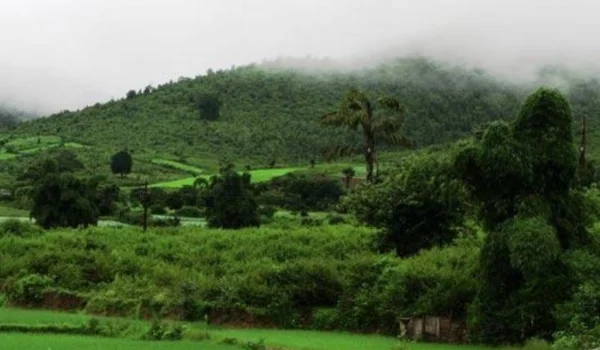
- Low hills
- Seasonal streams
The district lies in a relatively dry part of Maharashtra and receives rainfall mainly during the monsoon.
History of Dharashiv District
Dharashiv has a long and interesting history.
The region has been influenced by several dynasties and kingdoms, including the Satavahanas, Chalukyas, Rashtrakutas, Yadavas, Bahmanis and Deccan Sultanates.
Its location between important parts of the Deccan made it historically significant.
Dharashiv Caves
The Dharashiv Caves are among the most important historical sites in the district.
The caves are located in the Balaghat hill region and are associated with ancient religious traditions.
The cave complex reflects the influence of Buddhist and Jain traditions, although interpretations of some caves and their chronology have been discussed by historians and archaeologists.
Tuljapur and Maratha History
Tuljapur is historically important because of the Tulja Bhavani Temple.
The goddess is traditionally regarded as the family deity of Chhatrapati Shivaji Maharaj’s family, making the temple particularly important in Maratha religious and cultural history.
Renaming from Osmanabad
The district was historically known as Osmanabad.
In 2023, the Maharashtra government officially changed the district’s name to Dharashiv.
The name Dharashiv has historical associations with the region and the famous Dharashiv caves.
Population of Dharashiv District
According to the 2011 Census, Dharashiv district had a population of approximately 16.58 lakh.
A large part of the population lives in rural areas.
Important population and commercial centres include:
- Dharashiv
- Tuljapur
- Omerga
- Kalamb
- Bhoom
- Paranda
- Naldurg
Economy of Dharashiv District
Dharashiv has a predominantly agriculture-based economy.
Major sectors include:
- Agriculture
- Livestock
- Dairy
- Food processing
- Sugar-related activities
- Retail
- Trade
- Transport
- Small-scale industries
The district’s semi-arid climate makes water management particularly important for agriculture.
Agriculture in Dharashiv District
Agriculture is the backbone of the district economy.
Major crops include:
- Soybean
- Sugarcane
- Tur
- Gram
- Jowar
- Wheat
- Sunflower
- Other pulses and oilseeds
Farmers also engage in:
- Dairy farming
- Goat rearing
- Poultry
- Livestock activities
Irrigation availability varies considerably between different parts of the district.
Industries and Business in Dharashiv District
Dharashiv has mainly small and medium-scale industries connected with agriculture and local demand.
Important activities include:
- Sugar processing
- Oil processing
- Dal mills
- Food processing
- Agro-based businesses
- Dairy
- Construction
- Retail
- Transport
The district’s agricultural output provides opportunities for agro-processing, warehousing and food-related businesses.
Education in Dharashiv District
Dharashiv has schools, colleges and higher education institutions.
Important education centres include:
- Dharashiv
- Tuljapur
- Omerga
- Kalamb
- Latur Road region
Educational institutions offer courses in:
- Arts
- Science
- Commerce
- Education
- Engineering
- Management
- Other professional fields
Students also travel to nearby Solapur, Latur and other Maharashtra cities for specialised higher education.
District Court in Dharashiv
Dharashiv has a District and Sessions Court serving the judicial needs of the district.
The judiciary deals with:
- Civil cases
- Criminal cases
- Family matters
- Other legal proceedings
Subordinate courts operate in different parts of the district.
District Hospital and Healthcare
Dharashiv has government and private healthcare facilities.
Healthcare infrastructure includes:
- District-level government hospital
- Government hospitals
- Rural hospitals
- Community Health Centres
- Primary Health Centres
- Private hospitals
- Clinics
- Diagnostic centres
The District Hospital at Dharashiv provides important healthcare services to residents.
For advanced specialised treatment, people may travel to Solapur, Latur or other larger medical centres.
Popular Tourist Attractions in Dharashiv District
Dharashiv has a combination of religious, historical, archaeological and natural attractions.
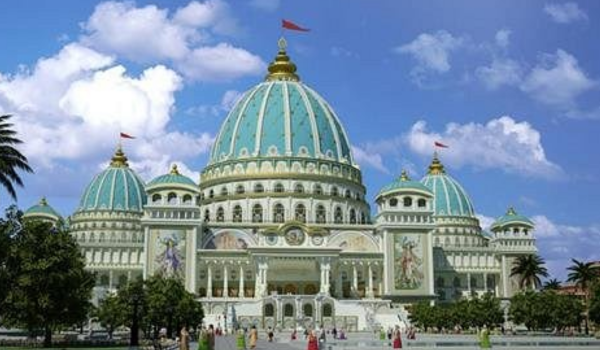
- Tulja Bhavani Temple
The Tulja Bhavani Temple at Tuljapur is the district’s most famous religious attraction.
The temple is dedicated to Goddess Tulja Bhavani and is one of the important Shakti pilgrimage sites in Maharashtra.
Large numbers of devotees visit the temple throughout the year.
- Dharashiv Caves
The Dharashiv Caves are located near Dharashiv city.
The cave complex is an important archaeological and religious site.
Visitors can see rock-cut structures and evidence of the region’s ancient religious traditions.
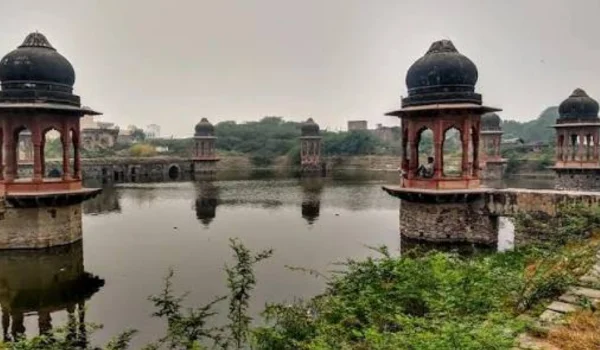
- Naldurg Fort
Naldurg Fort is one of the most impressive historical monuments in the district.
The massive fort is associated with the medieval Deccan and is particularly known for its impressive fortifications and the Nar-Madi Waterfall area.
- Paranda Fort
Paranda Fort is another important historical attraction.
The fort reflects the military architecture of the medieval Deccan and has considerable historical importance.
- Ramling
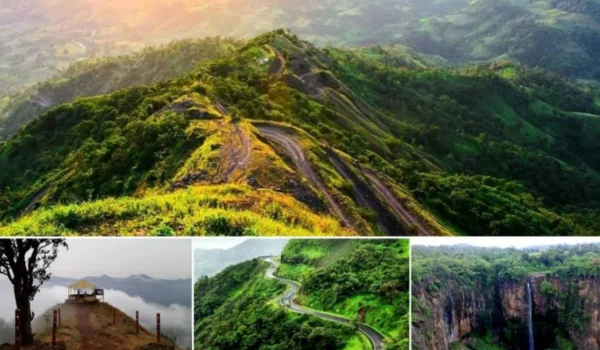
Ramling is a popular religious and natural attraction in the district.
The site is associated with Lord Shiva and is surrounded by a scenic landscape.
- Kati Village and Local Heritage
Several villages and rural areas around Dharashiv preserve traditional architecture, temples and local cultural practices.
These places provide visitors with an opportunity to experience the rural side of Marathwada.
Religious and Cultural Heritage
Religion plays an important role in the cultural life of Dharashiv.
Major religious traditions include:
- Hinduism
- Jainism
- Buddhism
- Islam
- Local folk traditions
Important festivals include:
- Navratri
- Diwali
- Holi
- Maha Shivaratri
- Dussehra
- Ganesh Chaturthi
- Ashadhi and Kartiki religious celebrations
Tuljapur Navratri celebrations are particularly important and attract large numbers of devotees.
Transport and Connectivity
Dharashiv has road and railway connectivity with important parts of Maharashtra.
Road Connectivity
Roads connect the district with:
- Solapur
- Latur
- Beed
- Kalaburagi
- Nanded
- Pune
- Hyderabad
The district’s location near the Maharashtra-Karnataka border makes road transport important for regional trade.
Railway Connectivity
Dharashiv railway station provides rail connectivity to the district headquarters.
Other railway stations serve different parts of the district.
Rail connections link the region with Solapur, Latur and other parts of Maharashtra, although services vary by route and schedule.
Air Connectivity
The nearest major airport is Solapur Airport, although flight availability can be limited.
For a wider range of flights, travellers may consider Pune or Hyderabad airports, depending on their destination.
Best Time to Visit Dharashiv
The best time to visit Dharashiv is generally October to February.
The cooler months are suitable for:
- Temple visits
- Fort exploration
- Cave sightseeing
- Cultural tourism
- Local travel
The monsoon can also make the landscape greener and improve the appearance of waterfalls, but heavy rain can affect travel conditions.
Nearby Cities, Districts and Areas
Important nearby places include:
- Solapur
- Latur
- Beed
- Nanded
- Kalaburagi
- Bidar
- Pune
- Hyderabad
Dharashiv’s location gives it an important position between Marathwada, western Maharashtra and northern Karnataka.
Why Is Dharashiv District Important?
Dharashiv is important because of its combination of religious heritage, ancient caves, forts and agriculture.
Its major strengths include:
- Tulja Bhavani Temple
- Dharashiv Caves
- Naldurg Fort
- Paranda Fort
- Agricultural production
- Agro-based businesses
- Marathwada cultural heritage
- Connectivity with Karnataka
The district has potential for religious tourism, heritage tourism, agro-processing, food businesses, hospitality and small-scale industries.
FAQs About Dharashiv District
- What is Dharashiv district famous for?
Dharashiv is famous for Tulja Bhavani Temple, Dharashiv Caves, Naldurg Fort, Paranda Fort and its agricultural economy.
- What is the district headquarters of Dharashiv?
Dharashiv city is the district headquarters.
- What is the PIN code of Dharashiv?
The main PIN code of Dharashiv is 413501. Other towns and villages have different PIN codes.
- What was Dharashiv district previously called?
The district was formerly known as Osmanabad. It was officially renamed Dharashiv in 2023.
- What are the popular tourist places in Dharashiv?
Popular attractions include Tulja Bhavani Temple, Dharashiv Caves, Naldurg Fort, Paranda Fort and Ramling.
- Does Dharashiv have a district court and district hospital?
Yes. Dharashiv has a District and Sessions Court and a District Hospital, along with rural hospitals, community health centres, primary health centres and private healthcare facilities.
Conclusion
Dharashiv District is a historically and culturally important part of Maharashtra’s Marathwada region. Formerly known as Osmanabad, the district is now officially called Dharashiv and is recognised for its ancient caves, historic forts, religious centres and agriculture.
The Tulja Bhavani Temple makes Tuljapur one of Maharashtra’s important pilgrimage destinations, while Dharashiv Caves, Naldurg Fort and Paranda Fort add significant archaeological and historical value.
Along with tourism, agriculture remains the backbone of the local economy. With opportunities in agro-processing, religious tourism, heritage tourism, hospitality and small-scale businesses, Dharashiv has strong potential for further development.